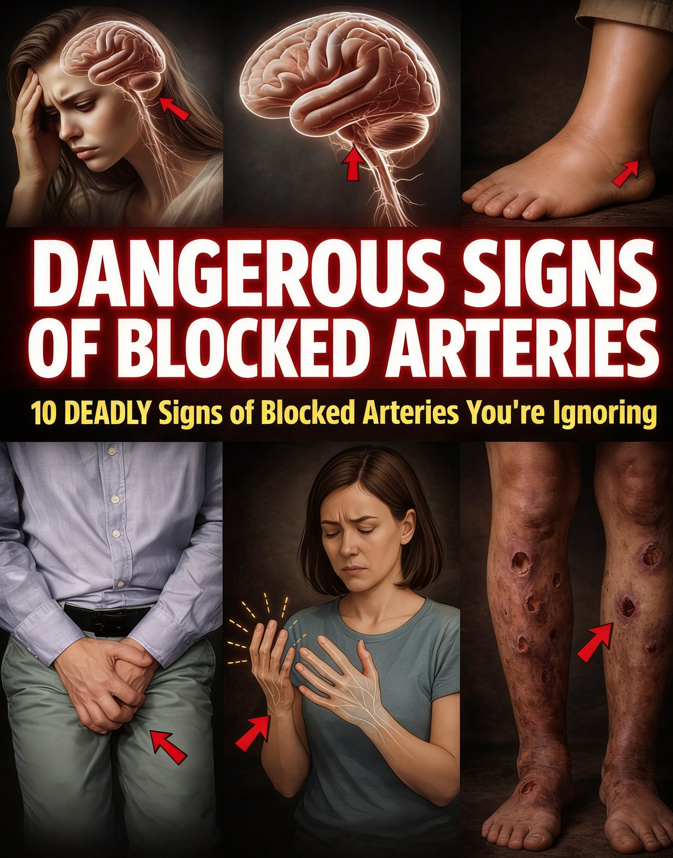
1. Sudden Severe Limb Symptoms
Acute limb ischemia occurs when a sudden blood clot or embolism blocks an artery supplying an arm or leg, causing a rapid and severe drop in blood flow. This condition is a medical emergency because prolonged blockage can lead to tissue death and possible amputation.
Healthcare professionals identify this situation by the “6 Ps”:
- Pain: Intense, sudden onset in the limb.
- Pallor: Pale or mottled skin color.
- Pulselessness: Absence of a detectable pulse below the blockage.
- Paresthesia: Numbness or tingling sensations.
- Paralysis: Weakness or inability to move the limb.
- Poikilothermia: Limb feels cold compared to the other side.
Recognizing these signs immediately and seeking emergency care can save the limb and reduce long-term disability.
2. Brief Stroke-Like Episodes
Transient ischemic attacks (TIAs) are short-lived episodes of neurological dysfunction caused by temporary reductions in blood flow to the brain. Symptoms may include sudden weakness or numbness on one side of the body, difficulty speaking, vision disturbances, or loss of coordination. These episodes typically resolve within minutes to an hour but signal an increased risk of a full stroke.
TIAs often result from atherosclerosis affecting the carotid or cerebral arteries. Prompt evaluation by a healthcare provider is critical because appropriate treatment can reduce the risk of subsequent stroke, which may be debilitating or fatal.






