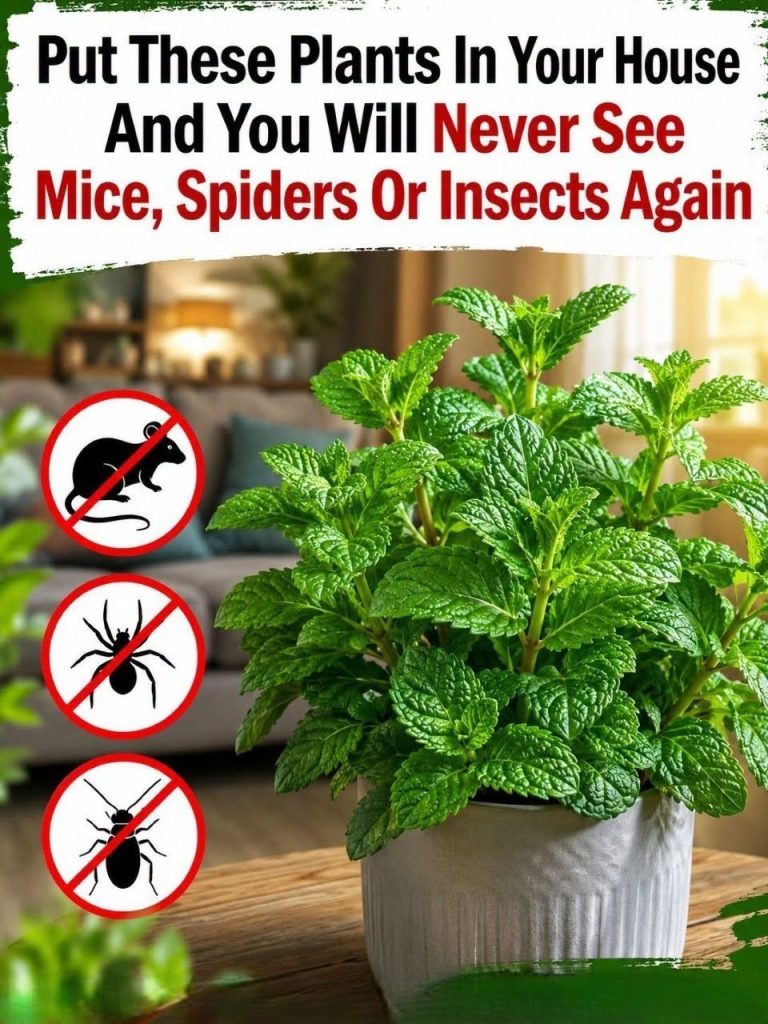
1. Basil to Repel Pests Near the Kitchen
Basil is an excellent herb to grow close to your kitchen door or on a sunny patio because it emits a strong fragrance that can deter common pests such as flies and mosquitoes. Plant basil in a container with good drainage holes to prevent waterlogging, and position it where you can easily harvest fresh leaves for cooking. Regularly pinch off the growing tips to encourage bushier growth and a steady supply of leaves.
This herb thrives in warm temperatures with plenty of sunlight and consistent moisture. Check soil moisture frequently, especially during hot weather, to keep the plant healthy and productive.
Avoid placing basil near plants that prefer cooler or shaded conditions, as basil needs full sun to flourish. Also, avoid using it on surfaces sensitive to water stains or soil spills.
2. Lavender for Outdoor Seating Areas
Lavender is ideal for planting beside outdoor seating areas where its aromatic flowers provide a pleasant scent and its foliage helps repel mosquitoes and moths. Choose a location with full sun and well-drained soil to prevent root rot, especially in humid or rainy climates. Containers should never sit in standing water.
Plant lavender where you can enjoy its fragrance without frequently brushing against it, as the foliage can be brittle. Allow some space between the lavender and high-traffic areas to protect the plant and prevent irritation.
Lavender blooms attract pollinators, so use this to your advantage if you want to support local bees. Dry flower stems for sachets or decorations to extend their use beyond the growing season.
3. Mint Grown Separately to Control Spread
Mint is highly effective at repelling mosquitoes and ants but spreads aggressively through underground runners, so it should always be grown in a separate container. Use a pot with drainage holes and keep the soil consistently moist but not waterlogged.
Place the container in a spot that gets partial to full sun, depending on your mint variety, and where harvesting is convenient for culinary or beverage use. Several varieties offer different aromas, so select one that suits your preference.
Avoid planting mint directly in garden beds to prevent it from overtaking other plants. Also, keep it away from delicate surfaces that could be stained by soil or water spills.