3. Pain and tenderness
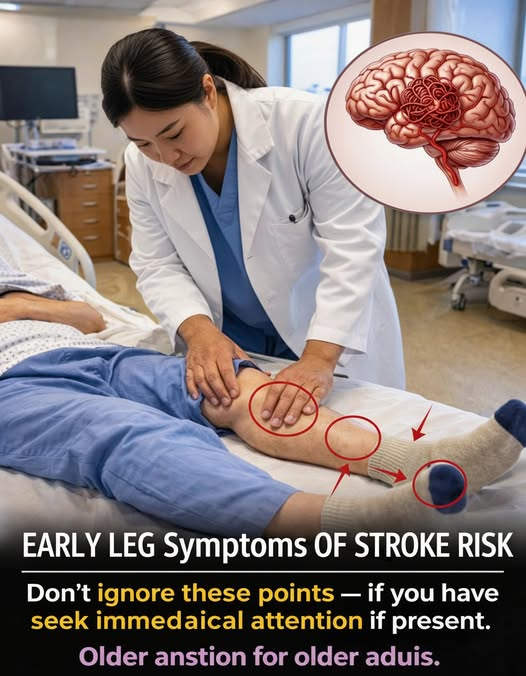
Leg pain associated with a blood clot typically starts gradually but can intensify quickly. Unlike the common muscle ache, this pain is usually localized, persistent, and worsens when standing or walking. It often feels like a deep cramp or soreness in the calf or thigh.
Tenderness upon touching the affected area is another hallmark of DVT. The skin over the clot may be sensitive, and even light pressure can cause discomfort. This pain differs from arthritis or muscle strain because it is linked to impaired blood flow and inflammation inside the veins.
If you notice unexplained leg pain combined with swelling, warmth, or skin color changes, these symptoms together strongly suggest a blood clot. Immediate medical evaluation is critical because untreated DVT can lead to life-threatening stroke or pulmonary embolism.
When to See a Doctor
If you experience any of the following leg symptoms, seek medical attention without delay:
- Sudden swelling in one leg, especially if accompanied by pain or tenderness
- Skin that turns red, blue, or pale, particularly if the area feels warm or inflamed
- Persistent or worsening leg pain that does not improve with rest
- Signs of shortness of breath, chest pain, or dizziness, which may indicate a clot has traveled to the lungs or brain
Doctors typically use diagnostic tools like venous ultrasound, D-dimer blood tests, or MRI venography to confirm or rule out DVT. Early diagnosis allows treatment with anticoagulant medications, which reduce clot growth and prevent stroke.
Conclusion
Leg symptoms like swelling, skin discoloration, and localized pain are not just minor annoyances but potentially critical warnings of blood clots. Especially for older adults, recognizing and acting on these signs can prevent serious complications such as stroke. Regular self-monitoring and prompt medical consultation are your best defenses.
Always discuss any new or worsening symptoms with your healthcare provider to ensure safe and effective care.
Disclaimer: This article is for informational purposes only and does not substitute professional medical advice. If you suspect a blood clot or stroke, seek emergency medical care immediately.






