9. Clear pipes and toilets
White vinegar is effective at breaking down mineral deposits and deodorizing bathroom pipes and toilets. Pour two large cups (about 500 ml) of white vinegar into your toilet tank and let it sit for several hours or overnight before flushing. This helps to dissolve lime scale buildup and keep the toilet fresh.
For clogged or smelly pipes, freeze vinegar into ice cubes and drop them into drains. As the cubes melt, vinegar works to neutralize odors and clear minor buildup.
Where not to use: Vinegar should not be combined with bleach or chemical drain cleaners, as this can produce hazardous fumes.
10. Clean taps and floors
To remove limescale and grime from taps and faucets, soak a cloth in white vinegar and wrap it around the affected area. Leave it for 30 minutes to an hour, then wipe clean. For stubborn deposits, repeat as necessary.
For tiled floors, mop with a mixture of white vinegar and warm water, adding a few drops of lemon juice if desired to boost antibacterial properties. Use a soft brush to scrub grout lines gently and rinse thoroughly to avoid residue buildup.
Where not to use: Avoid vinegar on natural stone flooring and unsealed grout, as acidity can cause damage.
What to avoid
Never mix white vinegar with bleach or products containing chlorine, as this produces toxic chlorine gas. Avoid using undiluted vinegar on rubber seals, natural stone, marble, and hardwood surfaces to prevent corrosion or etching. For all surfaces, test vinegar solutions on an inconspicuous area before full application.
Handling it safely
When using white vinegar for cleaning, wear gloves to protect sensitive skin and ensure the area is well ventilated. Avoid contact with eyes; if vinegar splashes occur, rinse immediately with plenty of water. Keep vinegar and cleaning solutions out of reach of children and pets.
When to seek professional cleaning
If your washing machine develops persistent mechanical issues, foul odors that do not resolve with cleaning, or visible mold deep inside seals and pipes, professional servicing may be necessary. A technician can perform thorough disinfection, replace worn parts, and ensure your machine operates safely. Repair costs vary but typically range from $100 to $300 depending on the problem.
Conclusion
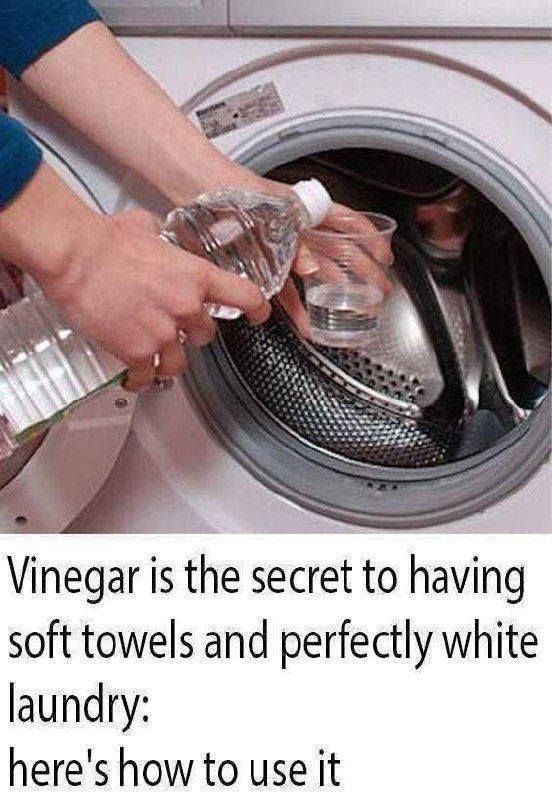
White vinegar is an effective and affordable option for cleaning your washing machine and many household surfaces when used correctly. Regular maintenance using vinegar helps prevent buildup, odors, and malfunctions, extending the life of your appliances and improving hygiene. However, it is essential to use vinegar safely and avoid applying it to sensitive materials or mixing it with incompatible chemicals. With proper care, vinegar-based cleaning can keep your laundry area fresh and your washing machine functioning efficiently for years to come.






