1. Assess washing frequency
How often you should clean your washing machine depends largely on how frequently you use it. Machines that run multiple cycles each week accumulate detergent residues, fabric softener deposits, and mineral buildup more rapidly, increasing the risk of unpleasant odors and reduced efficiency. If you use your washer once or twice a week, a monthly cleaning routine is generally sufficient to maintain optimal performance.
For households with daily or near-daily laundry loads, consider cleaning the machine every two weeks. Regular maintenance not only keeps your machine smelling fresh but also helps prolong its lifespan by preventing buildup that can impair function.
What to watch for:
- Persistent odors or moldy smells after a wash cycle
- Visible residue around the drum or detergent dispenser
- Longer drying times or inefficiency in cleaning
Assessing your washing frequency and adjusting your cleaning schedule accordingly ensures your machine stays hygienic and efficient.
2. Clean removable parts
Start your washing machine cleaning by removing and thoroughly washing all detachable components such as the detergent drawer, lint filter, and any removable seals or covers. These parts often collect lint, detergent buildup, and hair, which can harbor mold and bacteria if left unattended.
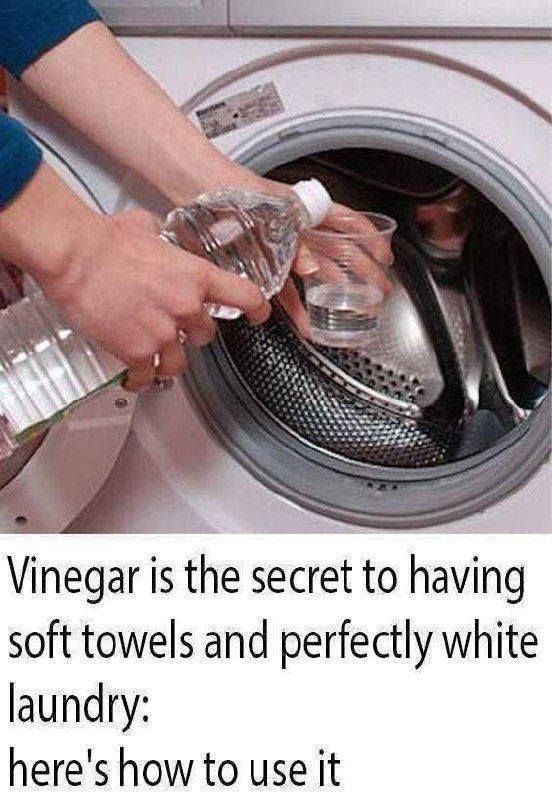
Use a sponge or soft cloth soaked in a mixture of white vinegar and warm water to scrub these parts gently but thoroughly. Rinse them well under running water to remove any loosened debris and vinegar residues. Allow them to air dry completely before reinstalling.
Why it works: Vinegar’s acidity helps dissolve detergent residues and mineral deposits that accumulate on these parts, preventing unpleasant odors and blockages.
Where not to use: Avoid soaking or scrubbing rubber gaskets or seals excessively, as vinegar’s acidity can degrade rubber over time. Use a damp cloth with diluted vinegar instead.
- Remove detergent drawer and soak it in a 1:1 vinegar-to-water solution for 15-20 minutes.
- Use an old toothbrush to clean tight corners and crevices.
- Dry all parts thoroughly before replacing.






