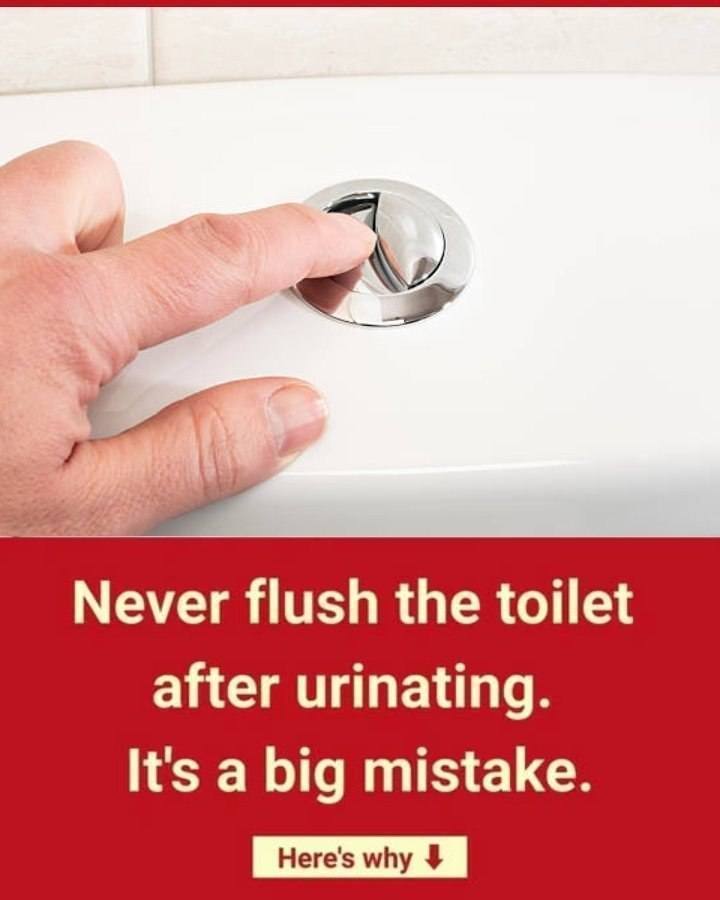
4. Mindful flushing practices
Adopting a mindful flushing approach means consciously deciding when a flush is necessary rather than doing so automatically. For urine-only visits, waiting until after multiple uses or until solid waste is present can significantly reduce water use without compromising hygiene in a private household.
This approach requires clear communication among household members to ensure everyone understands the balance between conservation and cleanliness. Implementing better bathroom ventilation and scheduling regular cleaning routines help prevent odors and maintain a sanitary environment.
- Flush immediately after solid waste elimination.
- Consider flushing after every two or three urinations, depending on odor and cleanliness.
- Keep a cleaning schedule to prevent buildup and odor.
- Ensure good bathroom ventilation to reduce moisture and smells.
5. Technological solutions for water conservation
For those hesitant to modify flushing habits, modern toilet technology offers practical water-saving options. Dual-flush toilets provide two flush volumes: a lower volume for liquid waste and a higher volume for solids. This simple mechanism can reduce water use substantially without requiring changes in user behavior.
Additionally, greywater recycling systems that repurpose water from sinks and showers for toilet flushing can eliminate the use of potable water for this purpose entirely. While installation costs and maintenance considerations exist, these technologies represent significant advances toward sustainable water management in homes.
When to See a Doctor
If you experience any unusual symptoms such as persistent strong odors not resolved by cleaning, signs of urinary tract infection, or other health concerns related to bathroom use, consult a healthcare professional promptly. Maintaining personal hygiene and addressing any medical issues early supports overall well-being in conjunction with water conservation efforts.
Conclusion
Reducing unnecessary toilet flushes after urination in private households is a practical and effective way to conserve treated drinking water and reduce environmental impact. By adopting mindful flushing habits and leveraging water-efficient toilet technologies, individuals can contribute to sustainable water use without sacrificing hygiene. In public and shared spaces, flushing etiquette remains important for communal comfort and sanitation.
This information is for educational purposes and does not replace professional medical advice. Consult your healthcare provider for personal health concerns.






