3. Mini leg exercise routine before bed
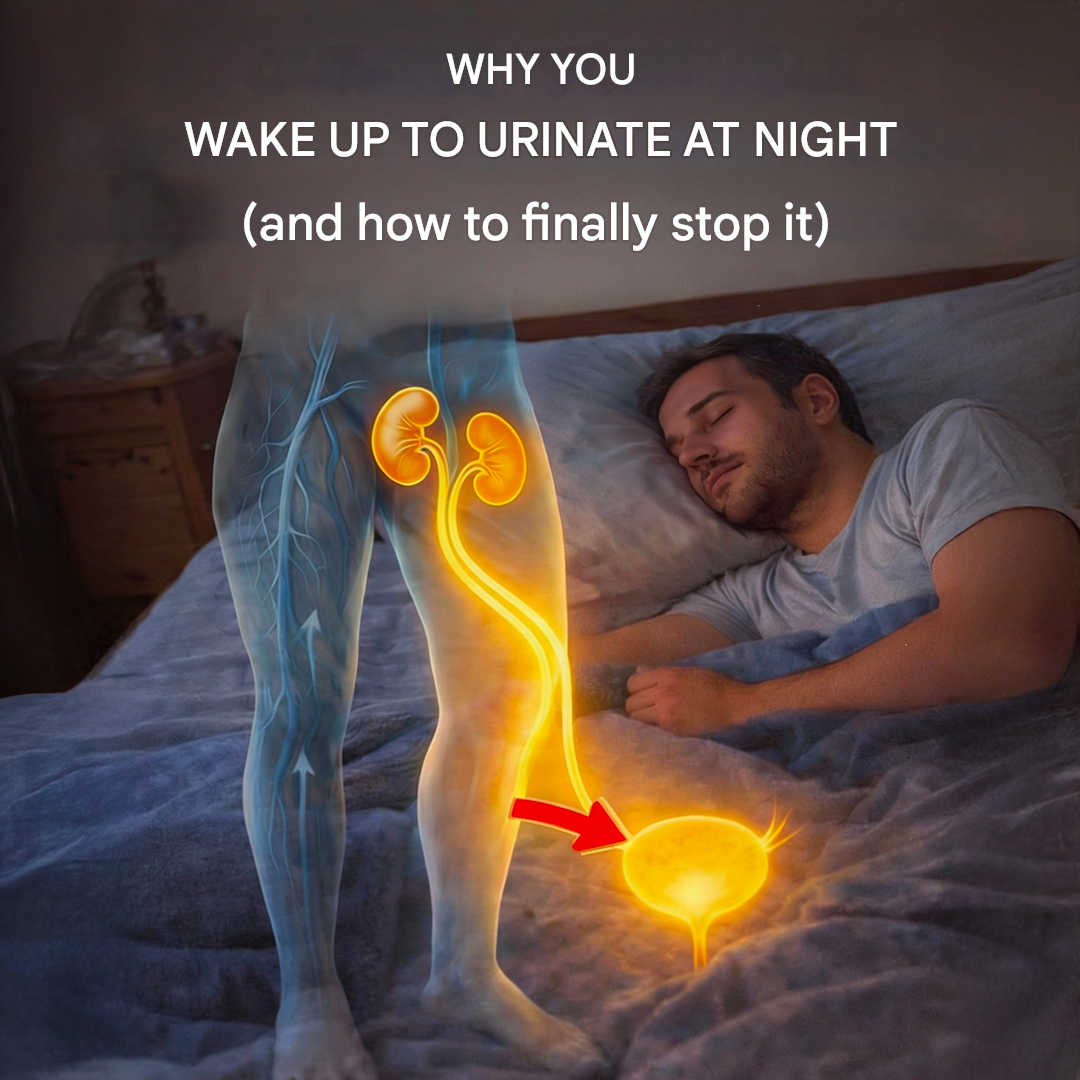
Activating your calf muscles before going to bed can enhance fluid drainage from your lower legs and reduce the volume of fluid returning to circulation at night. A brief, targeted exercise routine lasting about 10 minutes, done 30 to 60 minutes before sleep, can stimulate the calf muscle pump effectively.
- Elevate your legs for 3 to 5 minutes, ideally resting your feet slightly above heart level against a wall or on cushions.
- Bend your knees and point your toes up and down 30 to 60 times, then rotate your ankles in circles to encourage joint mobility and circulation.
- Simulate bicycling motions while lying down or do small scissor-like leg movements for one minute to engage multiple leg muscles.
- Finish by standing and performing 20 to 30 slow toe raises to strengthen the calf muscles and promote venous return.
Consistently performing this routine can significantly decrease fluid accumulation in the legs, which in turn reduces nocturnal urine production and helps prevent waking up frequently to urinate.
4. Antidiuretic hormone role
Antidiuretic hormone (ADH), also known as vasopressin, regulates urine production by signaling the kidneys to reabsorb water and produce less urine. Normally, ADH levels rise in the evening, helping to concentrate urine and reduce the need to urinate during sleep.
However, when a large volume of fluid returns to the bloodstream at night due to fluid redistribution, the kidneys may produce more urine than ADH can suppress. This mismatch results in increased urine output and nighttime awakenings.
By promoting fluid drainage from the legs before bedtime through activity or elevation, you reduce the sudden increase in blood volume. This allows ADH to work more effectively, maintaining lower urine production overnight and improving sleep continuity.






