1. Reduced Fat Digestion
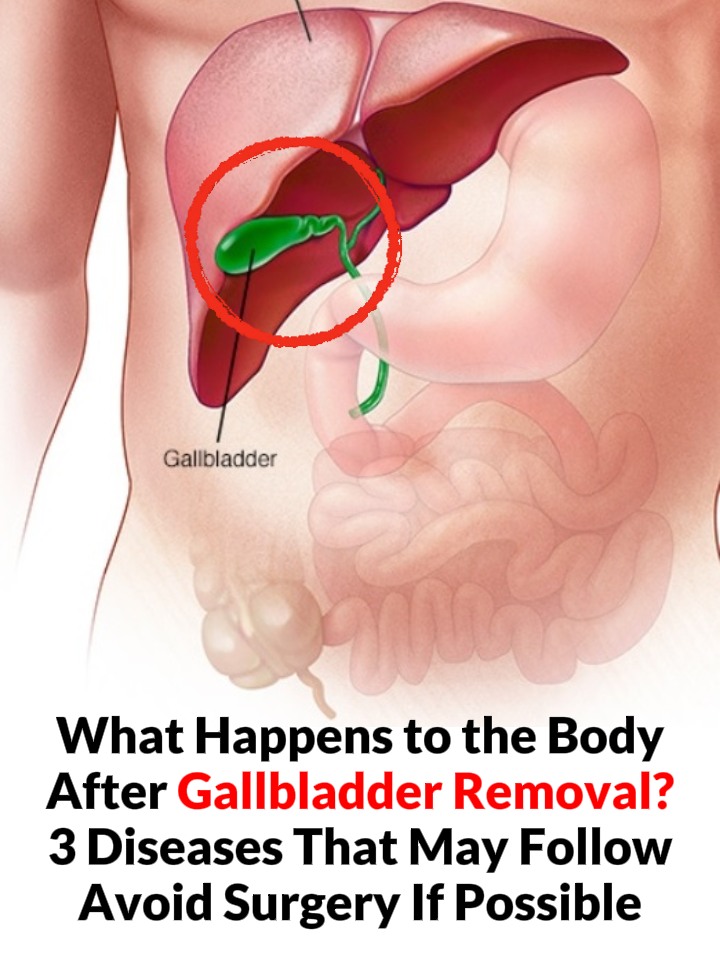
The gallbladder’s main role is to store and concentrate bile produced by the liver. Bile contains bile salts and cholesterol essential for emulsifying dietary fats, making them easier to digest and absorb in the small intestine.
After gallbladder removal (cholecystectomy), bile no longer accumulates and concentrates; instead, it drips continuously into the duodenum in a diluted form. This means that large amounts of fat consumed at once may not be efficiently digested, leading to symptoms such as fatty stools (steatorrhea), bloating, and abdominal discomfort.
Individuals may notice increased difficulty digesting high-fat meals, and this can lead to malabsorption of fat-soluble vitamins (A, D, E, and K) if dietary fat intake is not managed properly.
2. Indigestion and Digestive Changes
Without the gallbladder’s regulated bile release, the digestive process changes. Continuous bile flow can cause a mild irritation of the intestinal lining and disrupt normal digestive rhythms. This often results in symptoms like bloating, belching, and irregular bowel movements, including diarrhea or loose stools.
Additionally, the loss of the gallbladder reservoir means that bile is less responsive to meal timing, which sometimes causes indigestion, particularly after fatty or large meals. Patients may also experience increased gas or mild cramping.
To manage these symptoms, gradual dietary adjustments focusing on smaller, more frequent meals with moderate fat content can support better digestion and reduce discomfort.






