1. Reduced Fat Digestion Ability
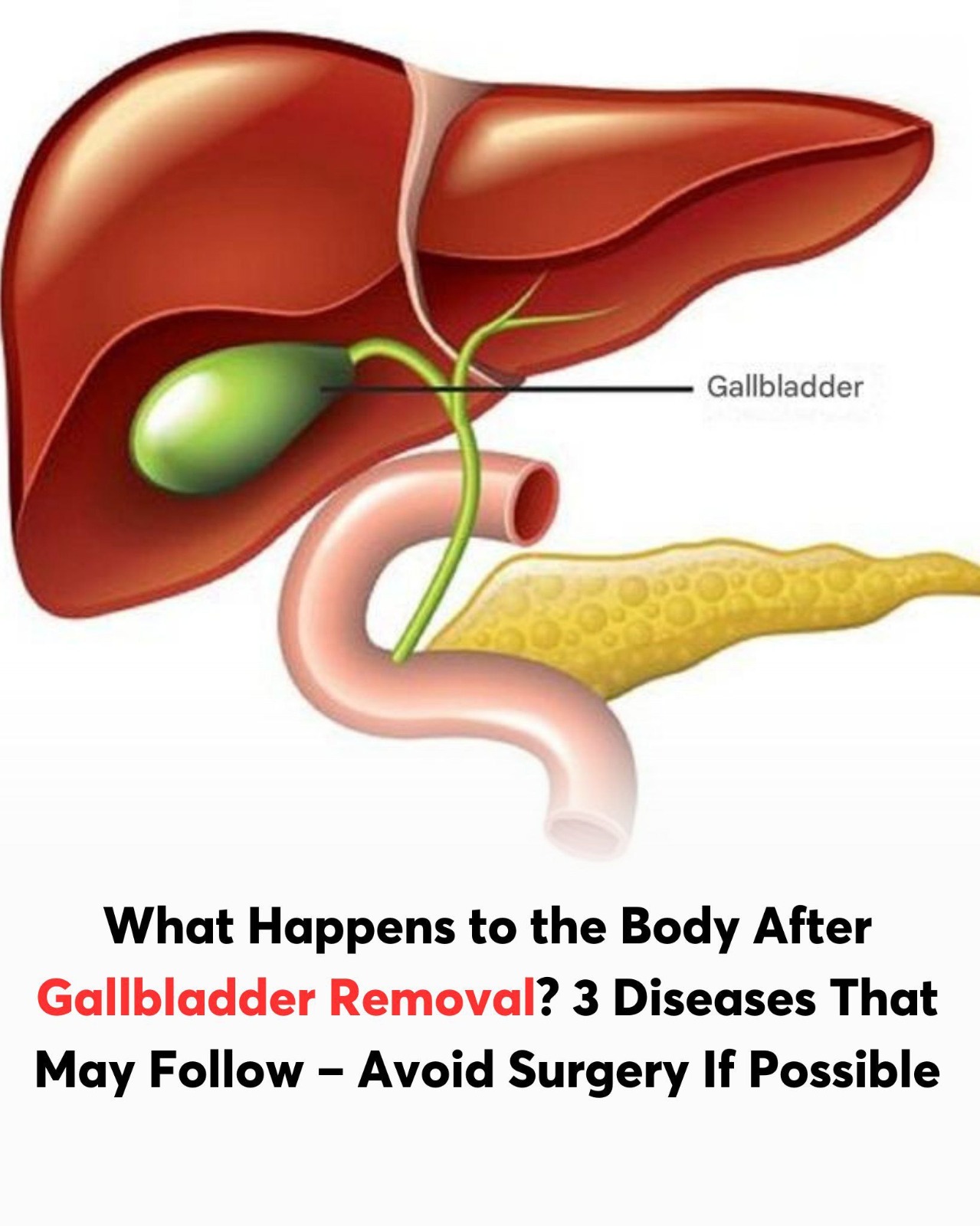
The gallbladder’s main role is to store and concentrate bile, which contains bile salts essential for breaking down dietary fats. After gallbladder removal, bile no longer collects in a reservoir but instead flows continuously and more dilute from the liver into the small intestine. This constant, unregulated flow reduces the efficiency of fat emulsification and absorption.
As a result, many individuals experience difficulty digesting fatty meals, leading to symptoms such as bloating, abdominal discomfort, and excessive gas. Fat-soluble vitamin absorption (such as vitamins A, D, E, and K) may also be impaired over time.
- Symptoms include greasy or loose stools (steatorrhea), bloating, and belching after eating fatty foods.
- Some patients may need to limit fat intake or use enzyme supplements to aid digestion under medical supervision.
2. Disruption of Gut Bacterial Balance
Bile has antimicrobial properties that help regulate the composition of gut microbiota by inhibiting the growth of pathogenic bacteria. Following gallbladder removal, the altered bile flow and composition can disturb this delicate balance.
This disruption may lead to an overgrowth of harmful bacteria in the intestines, increasing the risk of gut inflammation, infections, and digestive symptoms such as diarrhea or abdominal pain. Maintaining a balanced diet rich in fiber and probiotics may help support healthy gut flora, but these changes warrant monitoring.
3. Bile Reflux and Stomach Irritation
Without the gallbladder to regulate bile release, bile can reflux back into the stomach, especially when stomach motility is impaired. This bile reflux irritates the stomach lining, potentially causing gastritis characterized by inflammation and discomfort.
Symptoms include upper abdominal pain, nausea, and heartburn that may not respond to typical acid-suppressing medications. This condition differs from acid reflux and may require specific management strategies prescribed by a healthcare professional.






