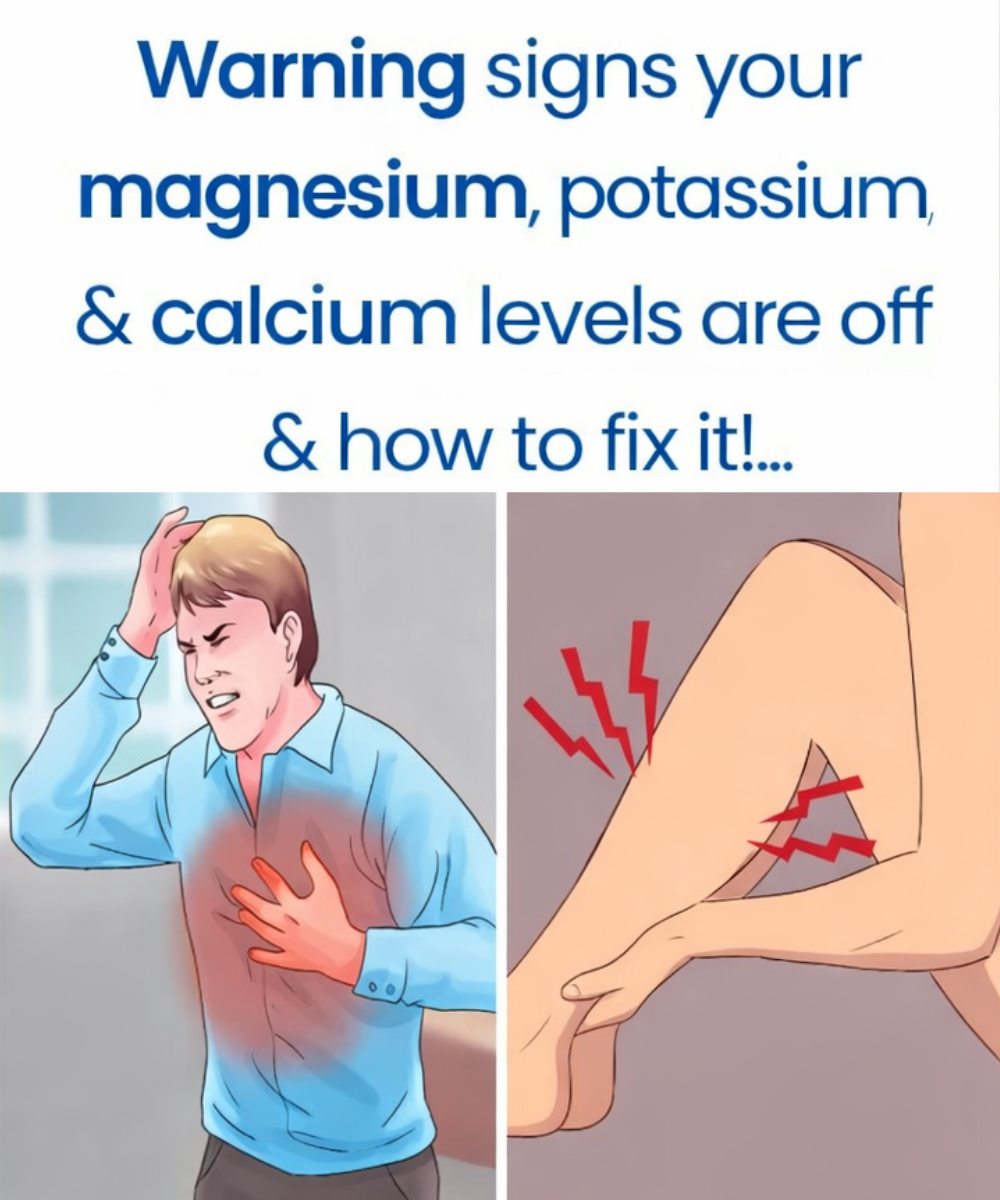
1. Muscle Cramps or Twitches
Muscle cramps or twitches, particularly those that strike suddenly and painfully at night, are often early signs of low magnesium or calcium levels. These involuntary contractions can disrupt your sleep and daily activities, making it difficult to relax or move comfortably. Magnesium helps regulate muscle contractions by balancing calcium’s role in muscle fiber activation, so a deficiency can lead to overactive muscle responses.
In practice, you might notice sharp cramps in your calves or feet, or persistent twitching that doesn’t resolve quickly. If these symptoms occur frequently, especially after exercise or sweating, it’s a strong indication your mineral balance needs attention.
- Stay hydrated and include magnesium-rich foods such as leafy greens and nuts.
- Consider gentle stretching before bedtime to reduce cramp frequency.
- If cramps persist or worsen, consult your healthcare provider for evaluation and possible blood testing.
2. Persistent Fatigue
Ongoing fatigue despite adequate rest can signal low levels of magnesium, potassium, or calcium. These minerals are essential for energy production at the cellular level and muscle function. Magnesium, in particular, participates in over 300 enzymatic reactions that generate ATP—the body’s energy currency.
When levels are insufficient, your muscles and nerves cannot perform optimally, leading to feelings of exhaustion, reduced stamina, and difficulty concentrating. Persistent tiredness that interferes with daily tasks should prompt consideration of mineral imbalances.
- Incorporate a variety of mineral-rich foods into your diet to support energy metabolism.
- Avoid excessive caffeine and alcohol, which can deplete magnesium and potassium.
- If fatigue remains despite dietary changes, seek medical advice to rule out other causes and check electrolyte levels.
3. Irregular Heart Sensations
Experiencing occasional heart palpitations, fluttering, or irregular beats may reflect imbalances in potassium or magnesium. These minerals are critical for maintaining the heart’s electrical stability and proper rhythm. Potassium helps regulate cardiac muscle contractions, while magnesium modulates ion channels involved in heartbeat regulation.
Such irregular sensations can feel like skipped beats or rapid fluttering and may be triggered by stress, dehydration, or mineral deficiencies. While occasional palpitations are common and often benign, persistent or severe irregularities require prompt medical evaluation.
- Maintain a balanced intake of potassium and magnesium through foods like bananas, avocados, and nuts.
- Monitor symptoms carefully; if palpitations are accompanied by dizziness, chest pain, or shortness of breath, seek emergency care.
- Your doctor may recommend an electrocardiogram (ECG) or blood tests to assess electrolyte levels and heart function.






