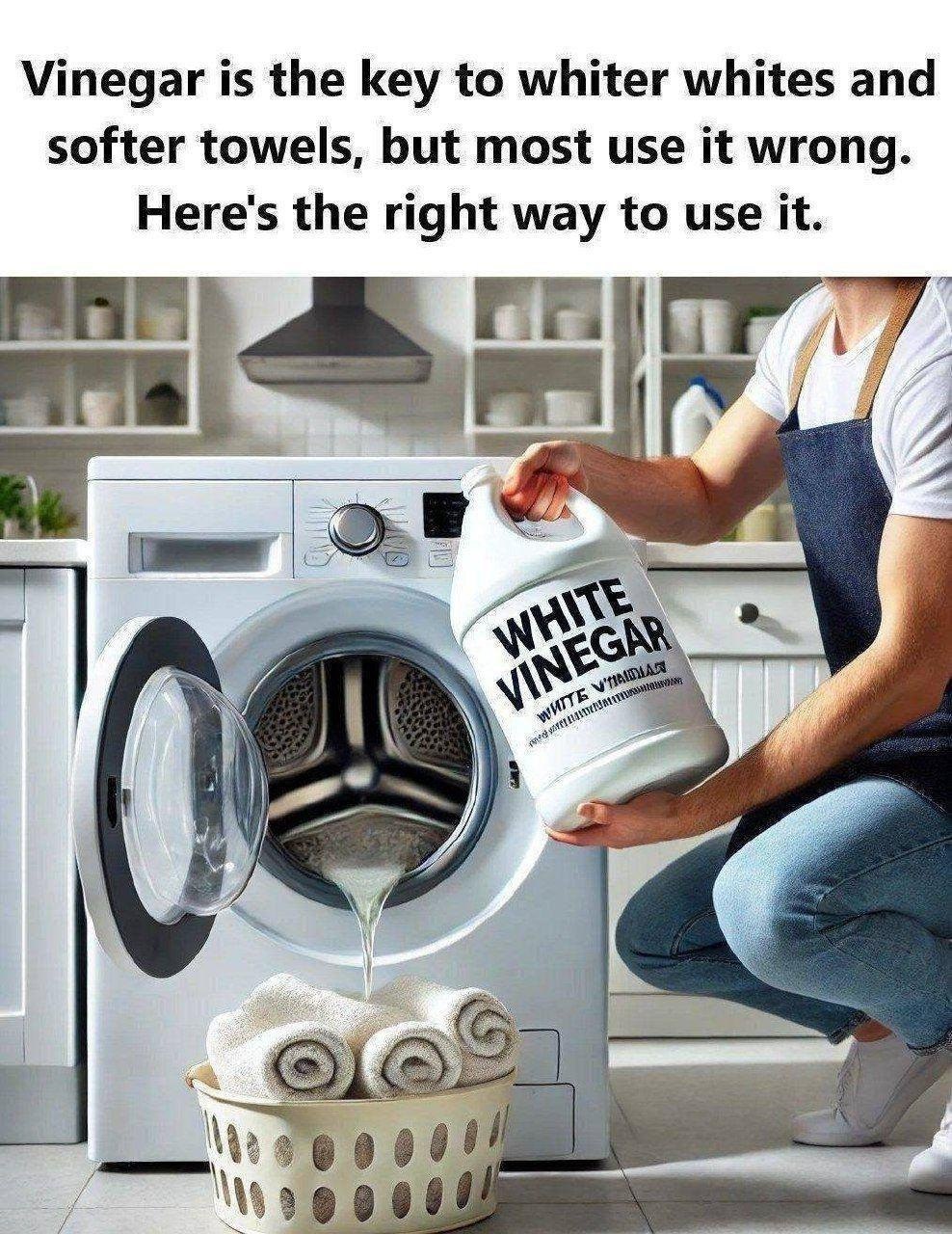
White clothes that have dulled and towels that feel stiff are common laundry concerns that many try to solve with vinegar. However, improper use of vinegar can reduce its effectiveness or even harm fabrics and washing machines. Understanding when and how to use vinegar correctly can prevent costly fabric damage or appliance repairs, which can range from $100 to over $400 for professional washing machine service or replacing ruined garments.
The key decision for anyone looking to brighten whites or soften towels with vinegar is to distinguish whether the problem is detergent residue buildup, mineral deposits from hard water, or fabric stiffness caused by excessive soap. Detergent and mineral buildup not only dull fabric colors but can also cause odor retention and rough texture. If these issues are left untreated, you may face replacing frequently worn items or costly deep cleaning services.
Testing for detergent residue is simple: if your whites look grayish or dingy despite regular washing, or towels feel rough and lose absorbency, buildup is likely the culprit. Hard water deposits can often be detected by visible white specks or a crusty feel on fabrics. Vinegar’s acetic acid concentration is effective at breaking down these residues and neutralizing odors without leaving the heavy films typical of commercial fabric softeners.
However, vinegar must be used with caution. Pouring it directly onto clothing can cause staining, especially on delicate or colored fabrics. Adding vinegar at the wrong stage in the wash cycle can reduce its effectiveness or interact negatively with detergents. Moreover, mixing vinegar with chlorine bleach produces toxic chlorine gas and must be strictly avoided. The timing of vinegar addition also matters: it should be added during the rinse cycle where it can neutralize detergent residues without interfering with the wash.
Another important consideration is the type of vinegar. Only distilled white vinegar is safe for laundry use; colored vinegars like apple cider can leave stains. Using too much vinegar or adding it every wash can degrade fabric fibers over time and potentially affect washing machine rubber seals or hoses if not rinsed properly.
When it comes to towels, the goal is to restore softness and absorbency. Vinegar helps by removing detergent buildup that stiffens fibers. Adding half to one cup of white vinegar during the rinse cycle and skipping commercial fabric softeners, which coat fibers and reduce absorbency, yields the best results. Towels should then be dried completely to prevent mustiness.
Using vinegar moderately—every few washes rather than every time—and reducing detergent amounts can prevent stiffness and prolong fabric life. Vinegar can also help maintain washing machine cleanliness by dissolving detergent residues inside the drum and dispensers, supporting appliance longevity if used correctly.
In summary, vinegar is an affordable and effective laundry aid only when used properly. Misuse can cause fabric damage, staining, or even washing machine issues, leading to repair or replacement costs. Identifying whether your laundry problem is residue or fabric wear guides the right approach and protects your investment in clothing and appliances.
Here are the 10 key steps to getting vinegar laundry care right—the one that truly makes your whites glow stands out.






