1. Sudden swelling
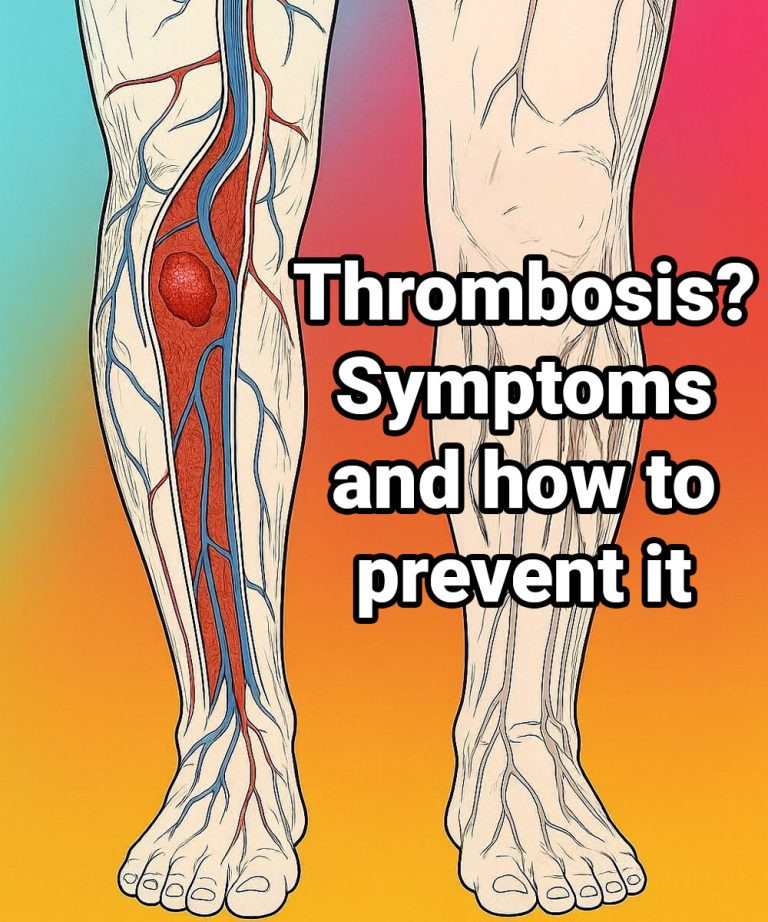
One of the hallmark signs of thrombosis, especially deep vein thrombosis (DVT), is sudden swelling in a limb, most commonly the leg. This swelling occurs because the blood clot obstructs normal blood flow, causing fluid to build up in the tissues. The swelling often develops rapidly and may affect either the entire leg or just part of it, such as the calf.
Patients should be vigilant about any unexplained swelling that appears suddenly, particularly if it is accompanied by other symptoms like pain or warmth. Swelling that occurs without injury or after prolonged inactivity, such as long flights or bed rest, warrants prompt evaluation.
2. Localized pain
Localized pain at the site of the clot is another critical symptom of thrombosis. The pain often intensifies when standing, walking, or applying pressure to the affected area. This discomfort is caused by the inflammation and increased pressure from the blocked vein or artery.
Unlike muscle cramps or general soreness, the pain associated with thrombosis is persistent and may worsen over time. It may feel like a dull ache, tenderness, or a sharp stabbing sensation. Prompt medical assessment is crucial to distinguish thrombosis pain from other causes and to initiate appropriate treatment to prevent complications such as pulmonary embolism.






