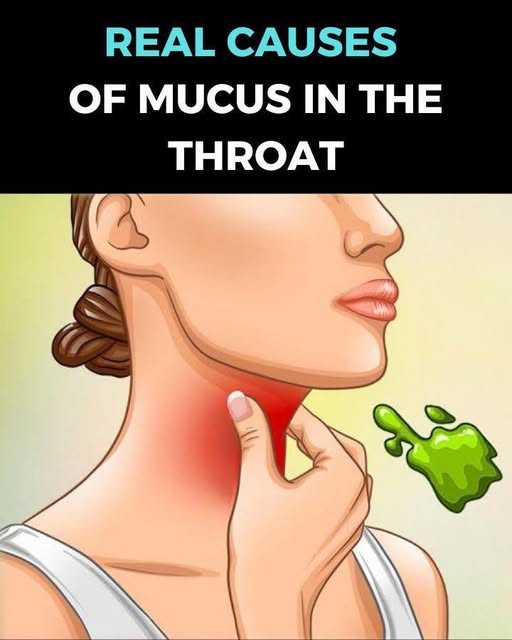
1. Acid reflux
One of the most common but often overlooked causes of persistent throat mucus is acid reflux, specifically gastroesophageal reflux disease (GERD) or its variant, laryngopharyngeal reflux (LPR), sometimes called silent reflux. This occurs when the lower esophageal sphincter, the valve that normally keeps stomach contents from rising, malfunctions. Acidic stomach juices then travel up the esophagus and reach the throat, irritating the lining and stimulating excess mucus production as a protective response.
Unlike classic heartburn symptoms, silent reflux may not cause noticeable burning but can lead to chronic throat clearing, hoarseness, and the sensation of mucus accumulation. Over time, this acid exposure can inflame the vocal cords and upper airway tissues, making mucus buildup worse.
Managing acid reflux to reduce mucus involves lifestyle changes such as:
- Eating smaller meals and avoiding late-night eating
- Limiting trigger foods like spicy, fatty, or acidic items
- Maintaining a healthy weight
- Elevating the head while sleeping to prevent nighttime reflux
Some natural approaches may help, such as consuming diluted apple cider vinegar before meals, which is believed to improve stomach acid levels and support valve function. However, anyone with persistent symptoms should seek evaluation from a healthcare provider to confirm the diagnosis and discuss appropriate treatment options.
2. Antacid medications
Many individuals with reflux symptoms rely on antacid medications, including proton pump inhibitors (PPIs) and H2 blockers, to reduce stomach acid production. While these drugs provide symptom relief, they do not address the underlying mechanical problem of valve dysfunction and may inadvertently worsen mucus issues over time.
Reducing stomach acid can impair digestion and disrupt the natural barrier against pathogens. This may lead to increased inflammation and mucus production in the throat as the body attempts to protect irritated tissues.
For those taking antacid medications, consider the following steps under medical guidance:
- Discuss with your doctor the possibility of tapering or adjusting medications if appropriate
- Consider digestive aids such as betaine hydrochloride supplements to enhance stomach acid and support digestion
- Adopt dietary and lifestyle modifications that reduce reflux triggers
It is essential not to stop or alter prescribed medications without consulting your healthcare provider, as untreated acid reflux can cause damage to the esophagus and throat.