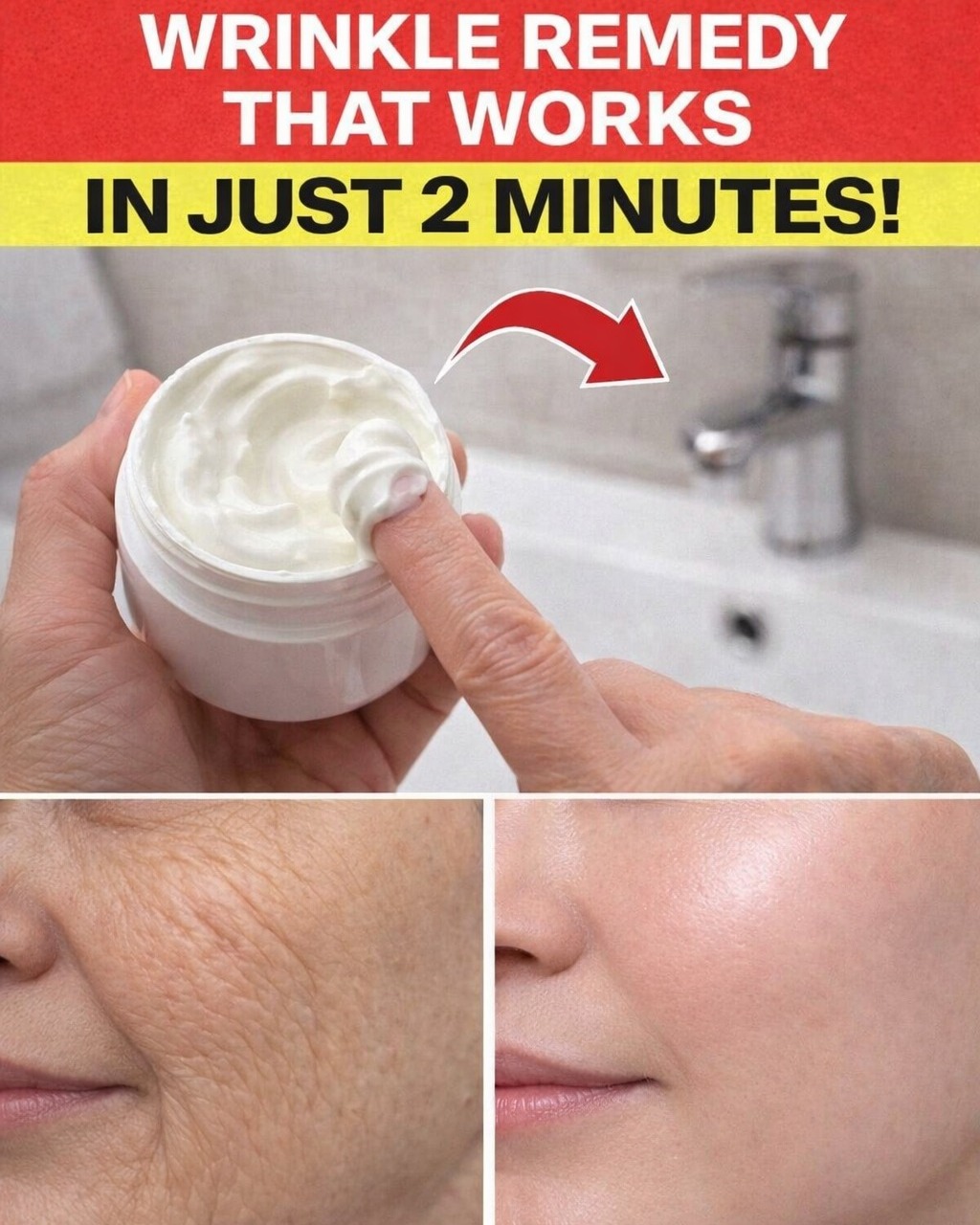
1. Understand Age-Related Skin Changes
As we age, our skin naturally produces less collagen and elastin, two critical proteins that maintain firmness and elasticity. This reduction leads to thinner, less resilient skin that shows fine lines, wrinkles, and a crepey texture more prominently. Additionally, the skin’s ability to retain moisture declines, resulting in dryness that accentuates these visible signs of aging.
Environmental factors such as sun exposure, pollution, and lifestyle habits can speed up these changes. The skin barrier weakens, making it more susceptible to irritation and moisture loss. Recognizing these changes helps tailor skincare approaches that focus on hydration and barrier support rather than promising unrealistic reversal of aging.
2. Hydration Benefits of Coconut
Coconut oil and coconut milk are rich in medium-chain fatty acids that can replenish the skin’s lipid barrier, helping lock in moisture and improve softness. Studies have shown that topical application of coconut oil enhances skin hydration and supports the skin’s natural protective layer without significantly altering pH balance. While direct clinical evidence on reducing wrinkles is limited, its moisturizing effects can temporarily plump the skin surface, smoothing fine lines.
Many seniors find coconut-based products gentle and effective for daily use. Coconut’s fatty acids also have mild anti-inflammatory properties that may soothe minor skin irritations common in mature skin.
To use, warm a small amount of pure coconut oil or unsweetened coconut milk until it becomes easily spreadable. After cleansing, massage it gently into the skin using upward circular motions for 1-2 minutes. Applying it in the evening allows the skin to absorb the moisture overnight. This routine can be repeated 3-5 times weekly for best results.
3. Safe Application and Precautions
Before incorporating coconut oil or milk into your skincare, perform a patch test by applying a small amount to the inner forearm and waiting 24 hours to check for any adverse reaction. Although coconut products are generally well-tolerated, some people may experience sensitivity or clogged pores, particularly those prone to acne.
Use pure, unrefined coconut oil or unsweetened coconut milk to avoid additives that could irritate the skin. Avoid applying to broken or inflamed skin, and discontinue use if redness or itching develops. If you have existing skin conditions, consult your healthcare provider before starting any new topical treatment.
- Use only small amounts warmed to skin temperature to improve absorption.
- Avoid combining coconut products with other oily or heavy creams to prevent pore blockage.
- Limit application to 3-5 times per week to prevent over-moisturizing.






