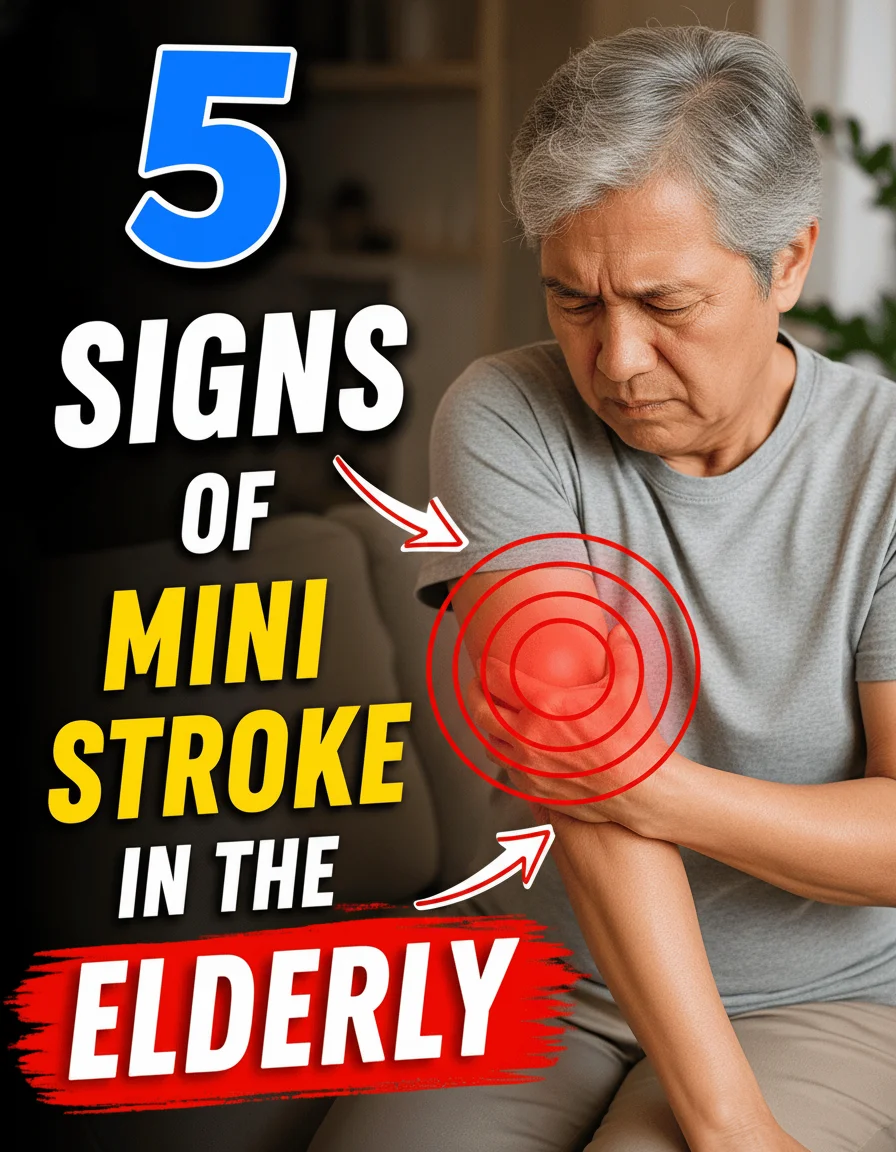
1. Sudden Weakness or Numbness
Sudden weakness or numbness, especially affecting one side of the body, is often the most obvious sign of a mini stroke. This can manifest as difficulty lifting an arm, a leg feeling heavy or unresponsive, or one side of the face feeling numb or strange. Unlike gradual weakness caused by chronic conditions like arthritis, this weakness appears rapidly and without warning.
For caregivers, it’s important to recognize that this symptom is not just a minor inconvenience but a critical warning sign. If your elder suddenly struggles to hold objects, complains of numbness in one limb, or seems unsteady, this could indicate a transient ischemic attack (TIA) that demands immediate medical evaluation.
- Observe if one arm or leg becomes weak or numb suddenly.
- Note any difficulty in performing simple tasks like gripping or walking.
- Check if the face feels uneven or numb on one side.
2. Facial Drooping
Facial drooping occurs when one side of the face appears to sag or is less responsive than the other. A quick test is to ask your loved one to smile or show their teeth. If one side does not move or seems to lag behind, this is a classic red flag for a mini stroke.
In elderly individuals, subtle facial asymmetry can sometimes be mistaken for normal aging changes, but sudden onset drooping should never be ignored. It signals that the blood flow to the facial nerves or parts of the brain controlling facial muscles has been interrupted.
- Look for uneven smile or inability to raise one eyebrow.
- Watch for drooping eyelids or a slack jaw on one side.
- Be alert even if the drooping resolves quickly; it still requires prompt evaluation.
3. Speech Difficulty
Sudden speech problems are a critical warning sign of a mini stroke. This can include slurred speech, difficulty finding words, or trouble understanding what others are saying. Your elder might seem confused or express themselves in a jumbled way despite being mentally alert.
It is essential to distinguish this sudden speech difficulty from other causes such as medication side effects or dehydration. The key indicator is the abrupt onset of these symptoms. Even if speech returns to normal within minutes, it is a signal that the brain’s blood supply was temporarily compromised.
- Ask your loved one to repeat a simple sentence and listen for slurring or incorrect words.
- Check if they seem confused or have difficulty understanding instructions.
- Do not dismiss sudden speech changes, even if brief—they warrant urgent medical attention.






