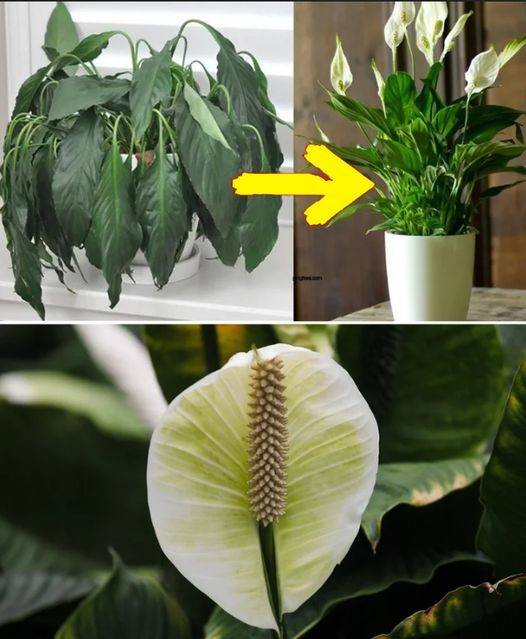
1. Water
Applying a tablespoon of water directly onto your plant’s soil is unlikely to cause any harm, but it generally won’t provide meaningful hydration either. Most houseplants and garden plants require more substantial watering to reach their root zones effectively.
Surface moisture from just a tablespoon will mostly evaporate or be absorbed by the very top layer of soil without penetrating deeply. This means the roots may remain dry despite the small amount of water added.
For optimal plant health, water should be applied in sufficient quantities to moisten the root zone, which often requires several cups depending on the plant size and soil type. Using a tablespoon alone might be useful for very small seedlings or delicate watering situations but is not a substitute for regular watering.
2. Coffee Grounds
Adding a tablespoon of coffee grounds can enrich soil with nitrogen, an essential nutrient for plant growth. This is particularly beneficial for acid-loving plants such as azaleas, blueberries, and rhododendrons, which thrive in slightly acidic conditions.
However, moderation is crucial. Excessive coffee grounds can increase soil acidity beyond the optimal pH range, potentially inhibiting nutrient uptake and damaging plant roots. It’s best to mix coffee grounds into the soil or compost rather than leaving them on the surface to prevent mold growth.
- Use coffee grounds sparingly—about one tablespoon per pot or garden section at a time.
- Mix grounds thoroughly with soil or compost to avoid concentrated acidic pockets.
- Monitor your plant’s response and adjust application frequency accordingly.






