3. Choosing the right shampoo and conditioner
Selecting appropriate hair care products is crucial for maintaining scalp and hair health. For sensitive or dry scalps, sulfate-free or balancing shampoos are recommended as they cleanse without harsh chemicals that can strip natural oils. Those with oily scalps may benefit from shampoos formulated to control excess sebum without causing irritation.
Conditioners should generally be applied from the mid-lengths to the ends of the hair to avoid weighing down the roots or exacerbating oiliness. Weekly use of a hair mask can provide additional nourishment and improve hair density and shine, especially for damaged or chemically treated hair.
- Look for shampoos labeled as sulfate-free or designed for sensitive scalps if dryness or irritation is a concern.
- Conditioners rich in moisturizing agents help protect hair ends from breakage.
- Use hair masks with ingredients that support hair strength and scalp health, applying once a week.
4. Hair washing habits that protect hair health
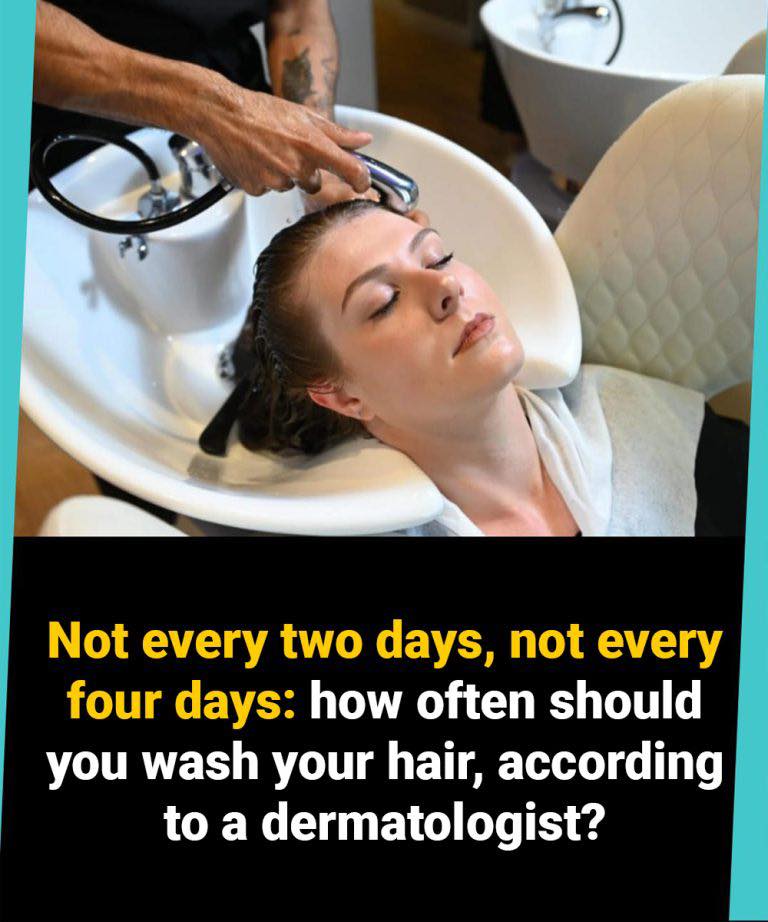
Beyond product choice, how you wash your hair greatly influences its health. Using lukewarm water instead of hot water prevents excessive scalp dryness and damage. Massaging the scalp gently with fingertips during shampooing enhances circulation and promotes follicle oxygenation without causing irritation.
Thorough rinsing ensures no residue remains, which can cause buildup and scalp discomfort. Avoid sleeping with wet hair, as dampness can encourage fungal growth and weaken hair shafts, increasing breakage risk.
Consistent habits combined with adapted washing frequency and suitable products form the foundation of healthy hair care.
When to See a Doctor
If you experience persistent scalp itching, redness, flaking, or sudden hair loss despite proper washing habits, it is advisable to consult a dermatologist. These symptoms may indicate underlying conditions such as seborrheic dermatitis, psoriasis, or folliculitis that require professional diagnosis and treatment.
Conclusion
Washing your hair between three and five times a week, tailored to your scalp type and lifestyle, is generally the best approach for maintaining scalp hygiene and hair health. Choosing the right shampoos and conditioners along with gentle washing habits supports a balanced scalp environment and reduces common problems like oiliness, dryness, and irritation.
Remember, individual needs vary, so observe how your scalp responds and adjust your routine accordingly. When in doubt or if scalp issues persist, seek professional advice to ensure optimal care.
Disclaimer: This information is not a substitute for professional medical advice. Consult a healthcare provider for personalized recommendations.






