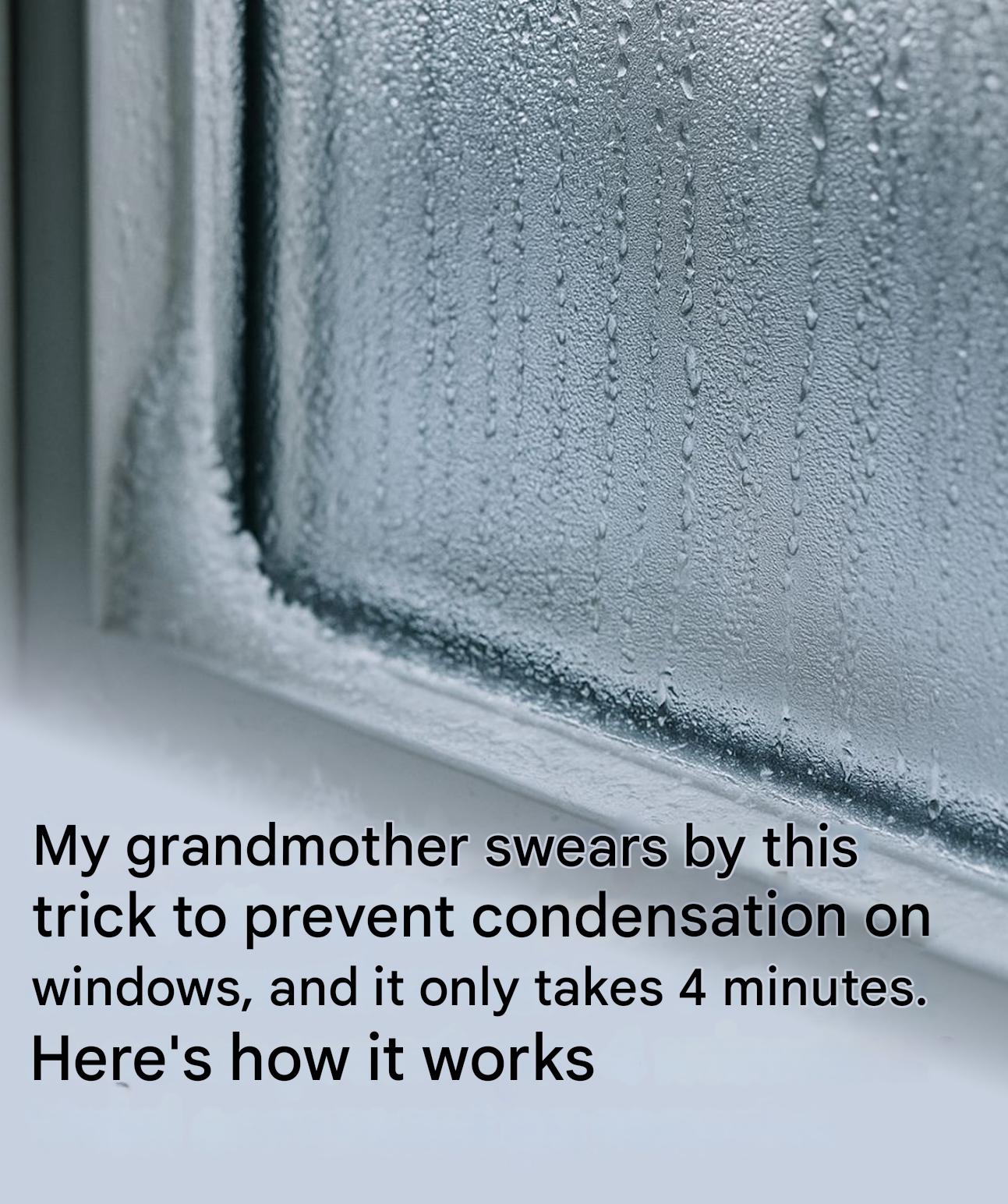
How the method works
The key to this method’s success lies in the surfactants contained in shaving foam. Surfactants are compounds that lower the surface tension of water, allowing it to spread more evenly rather than forming discrete droplets. When applied to glass, they create a thin, invisible film that prevents water molecules from clinging tightly to the surface.
This film effectively reduces the formation of fog and water droplets by encouraging moisture to form a uniform, transparent layer rather than a misty accumulation. The result is clearer windows and less visible condensation, especially during cold weather.
Best rooms and window types
This anti-condensation approach is particularly effective in rooms with high humidity levels, where moisture buildup is frequent and troublesome. Bathrooms and kitchens are prime examples, as activities like showering and cooking release large amounts of water vapor into the air.
Older homes with single-pane or poorly insulated windows benefit the most, since these windows tend to have colder glass surfaces prone to condensation. Modern double-glazed or treated windows may experience less condensation overall, but the shaving foam method can still help improve visibility and reduce moisture buildup.
Common mistakes to avoid
- Applying too much foam: Excessive shaving foam does not improve effectiveness and can leave visible residue or streaks. A thin, even layer is sufficient.
- Using inappropriate cloths: Avoid cloths that shed lint or leave streaks. Microfiber or lint-free cloths are ideal for application and buffing.
- Skipping the cleaning step: Dirt or grease on the glass will interfere with the formation of the protective film.
- Not testing on treated or tinted windows: Some windows have special coatings or tints that may react poorly to shaving foam. Always perform a small patch test on an inconspicuous area first.






