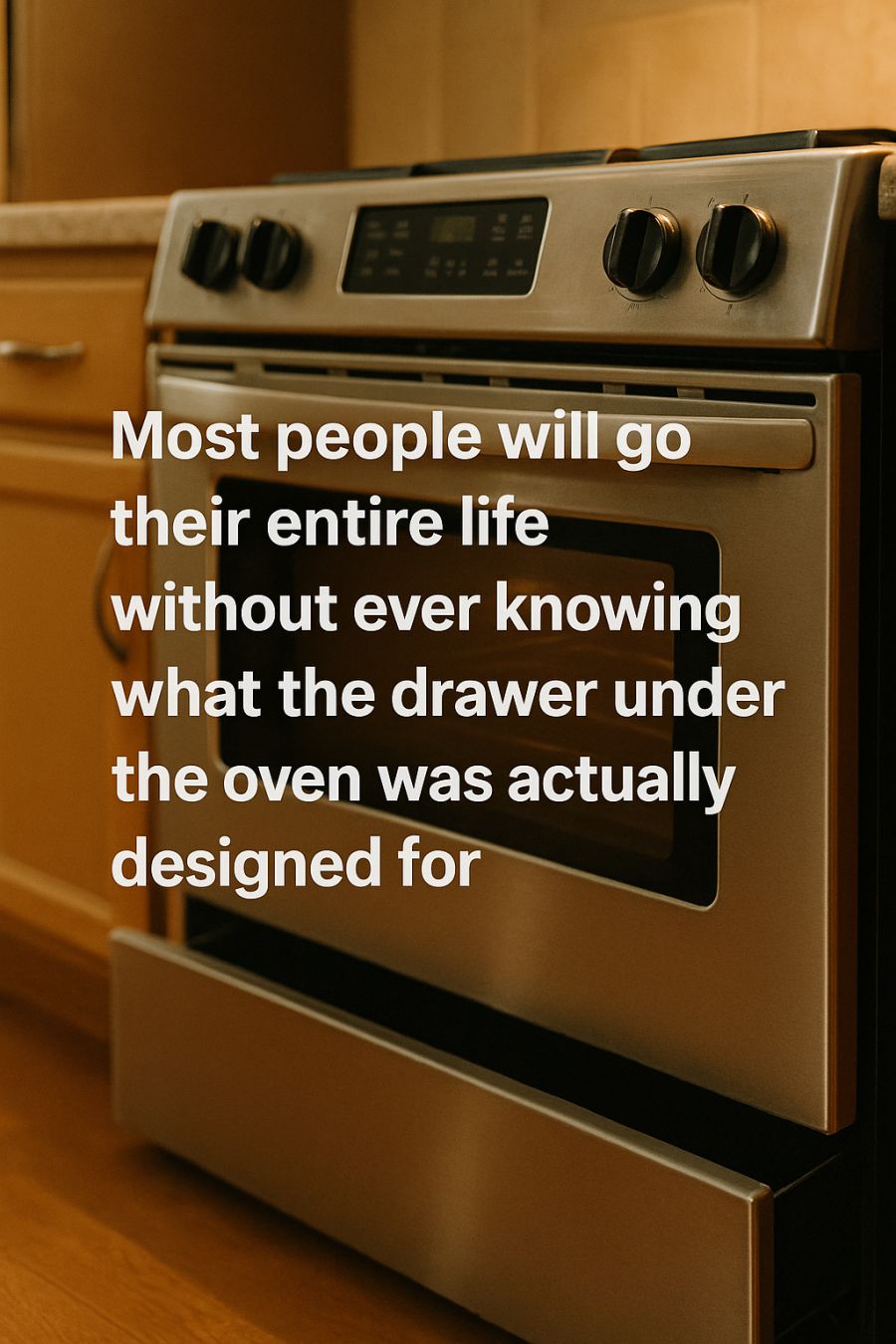
3. Original warming drawer function
Warming drawers are designed to keep cooked food at an optimal serving temperature without further cooking it. They maintain a low, consistent heat that preserves moisture and flavor, preventing dishes from drying out or becoming tough. This function is especially useful when preparing multiple courses or coordinating meal timing.
Unlike a microwave or oven, a warming drawer uses gentle heat, often combined with insulation, to create a controlled environment. This allows food to stay warm for extended periods without compromising quality, making it a valuable tool for both casual meals and formal events.
4. Temperature range of warming drawers
Most warming drawers operate within a temperature range of approximately 140°F to 200°F (60°C to 93°C). This range is intentionally kept below typical cooking temperatures to avoid overcooking food. The precise control of heat helps maintain food texture and safety without risk of burning.
Because of this temperature range, warming drawers can also be used for other culinary tasks that require gentle heat, such as proofing bread dough or tempering chocolate. However, it is important to keep the temperature settings within the recommended limits for food safety and optimal results.
5. Distinguishing warming vs storage drawers
Not all oven drawers have warming capabilities. The key distinction lies in whether the drawer has a built-in heat source and temperature controls. Warming drawers typically feature dials, buttons, or digital controls that allow the user to set and adjust the temperature.
Storage drawers lack any heating elements or controls and are designed solely for holding cookware and kitchen items. Identifying the type of drawer you have is crucial to avoid misuse. Checking your oven’s manual or looking for temperature settings on the drawer itself can clarify its purpose.






