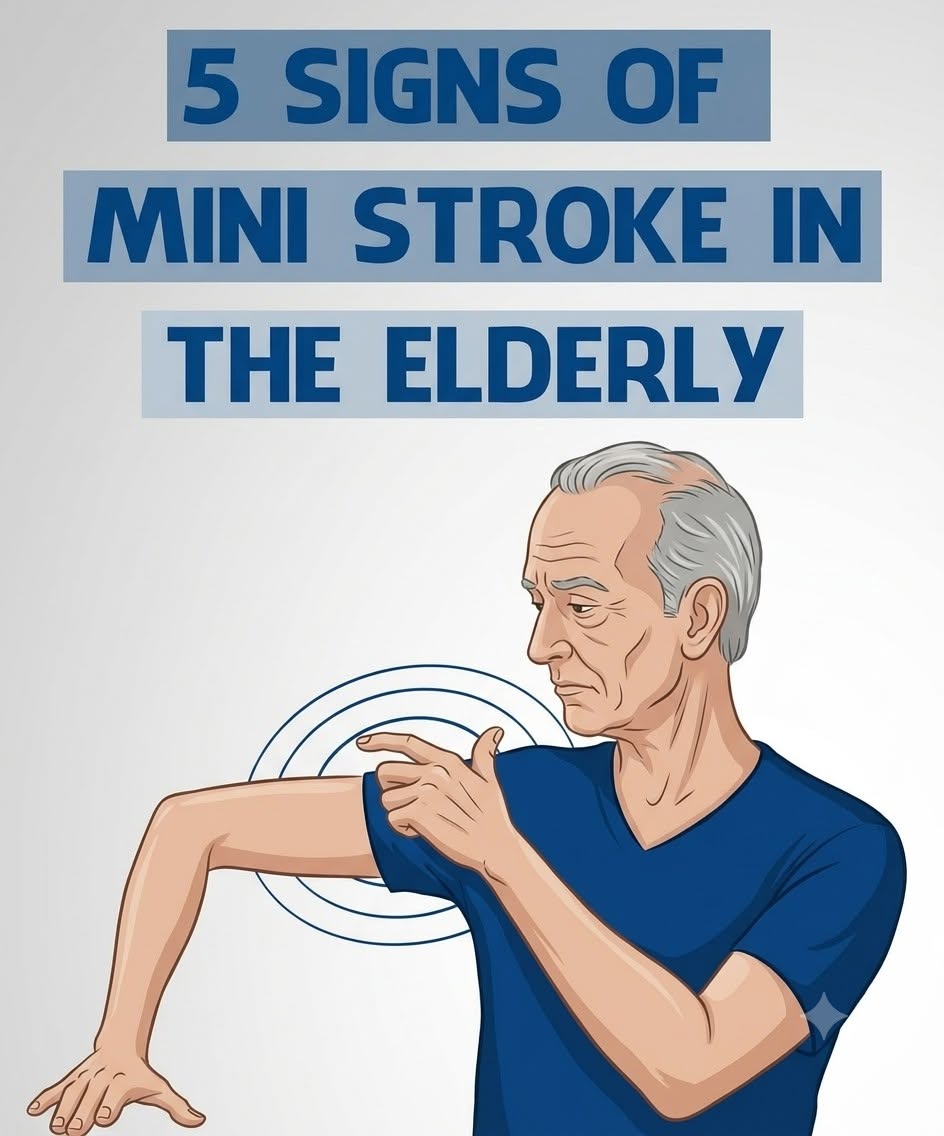
7. Loss of Balance or Coordination
Sudden loss of balance or difficulty coordinating movements is a serious symptom of TIA. A person may stagger, walk unsteadily, drop objects, or have trouble coordinating hand or arm movements.
This symptom is included in stroke recognition tools due to its importance. Any unexplained and abrupt loss of coordination or balance should be treated as an emergency.
8. Sudden Confusion
TIAs can temporarily impair cognitive function, causing sudden confusion, disorientation, or difficulty understanding spoken language. The person may give unusual answers or struggle to follow simple instructions.
Sudden confusion should never be dismissed as normal tiredness or aging. It is a red flag for disrupted brain function and requires urgent medical assessment.
9. Sudden Severe Headache
An abrupt, severe headache without an apparent cause can occur with TIA or stroke. While not all headaches are related to vascular events, a sudden intense headache combined with neurological symptoms such as weakness, numbness, vision changes, vomiting, or confusion should prompt immediate emergency evaluation.
When to See a Doctor
If you or someone else experiences any of the symptoms described—especially sudden one-sided weakness, facial drooping, speech difficulties, vision problems, loss of balance, confusion, or a severe headache—call emergency medical services immediately. This applies even if symptoms resolve quickly.
A transient ischemic attack is a warning sign indicating a high risk of a future stroke. Diagnostic tests often include neurological examinations, blood tests, brain imaging like CT or MRI scans, vascular imaging, and cardiac evaluations such as heart rhythm monitoring to detect atrial fibrillation.
Early diagnosis and management can prevent a full stroke, which is why urgent assessment within 24 hours of symptom onset is recommended.
Conclusion
Mini-strokes or transient ischemic attacks are serious events that should never be ignored, even if symptoms are temporary. Recognizing sudden neurological symptoms and seeking immediate medical care can be lifesaving and reduce the risk of permanent disability.
Remember the B.E. F.A.S.T. acronym to identify key signs quickly and act without delay.
Disclaimer: This article is for informational purposes only and does not substitute professional medical advice. If you experience symptoms of a stroke or TIA, seek emergency medical attention immediately.






