1. Sudden One-Sided Weakness
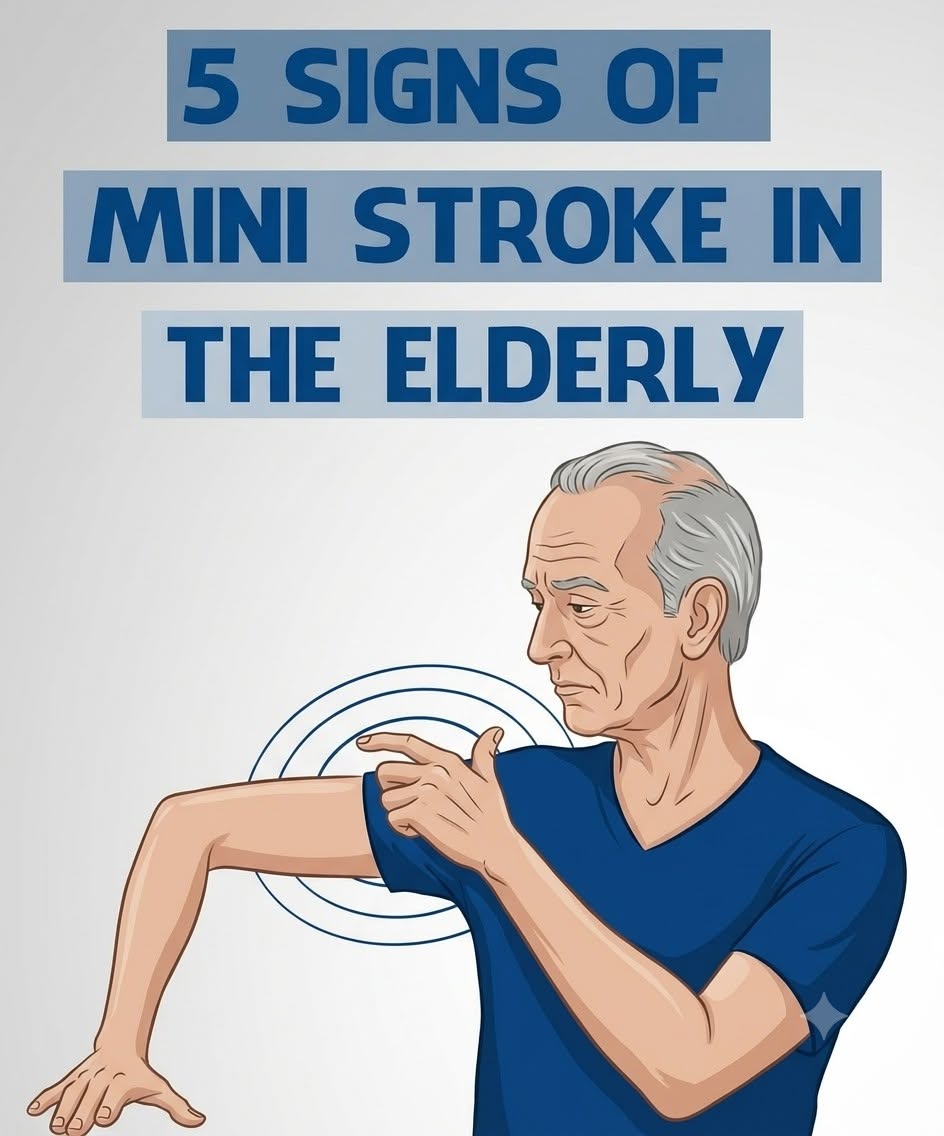
Sudden weakness affecting one side of the body is a critical symptom of a transient ischemic attack (TIA) or stroke. This weakness can involve the face, arm, hand, or leg and usually appears abruptly. For example, a person may find it difficult or impossible to lift an arm or leg on one side, or experience a loss of grip strength.
Because the weakness may resolve quickly during a TIA, it is often overlooked or mistaken for fatigue or a minor issue. However, this symptom indicates that blood flow to part of the brain has been interrupted, and immediate medical evaluation is necessary.
One simple test is to ask the person to raise both arms. If one arm drifts downward or cannot be lifted fully, it is a sign of weakness that requires emergency attention.
2. Numbness or Loss of Sensation
Sudden numbness or loss of sensation on one side of the body can accompany or occur without weakness. This may manifest as a pins-and-needles feeling, a heavy or strange sensation, or complete loss of feeling in the face, arm, or leg.
Unlike numbness caused by pressure on nerves from sleeping awkwardly, numbness from a TIA occurs suddenly and without an obvious reason. Because it signals disrupted brain function, any new unexplained numbness should be treated as a medical emergency.
3. Facial Drooping
Temporary weakness in the muscles on one side of the face is a classic sign of TIA. It may cause one side of the mouth to droop or an uneven smile. The affected side of the face may appear lower, or the person may report numbness or heaviness in their facial muscles.
This symptom is so critical that it is the “F” in the FAST acronym used to recognize stroke and TIA symptoms. Asking the person to smile and checking for asymmetry can help identify this symptom quickly. If facial drooping is present, emergency medical care is needed immediately.






