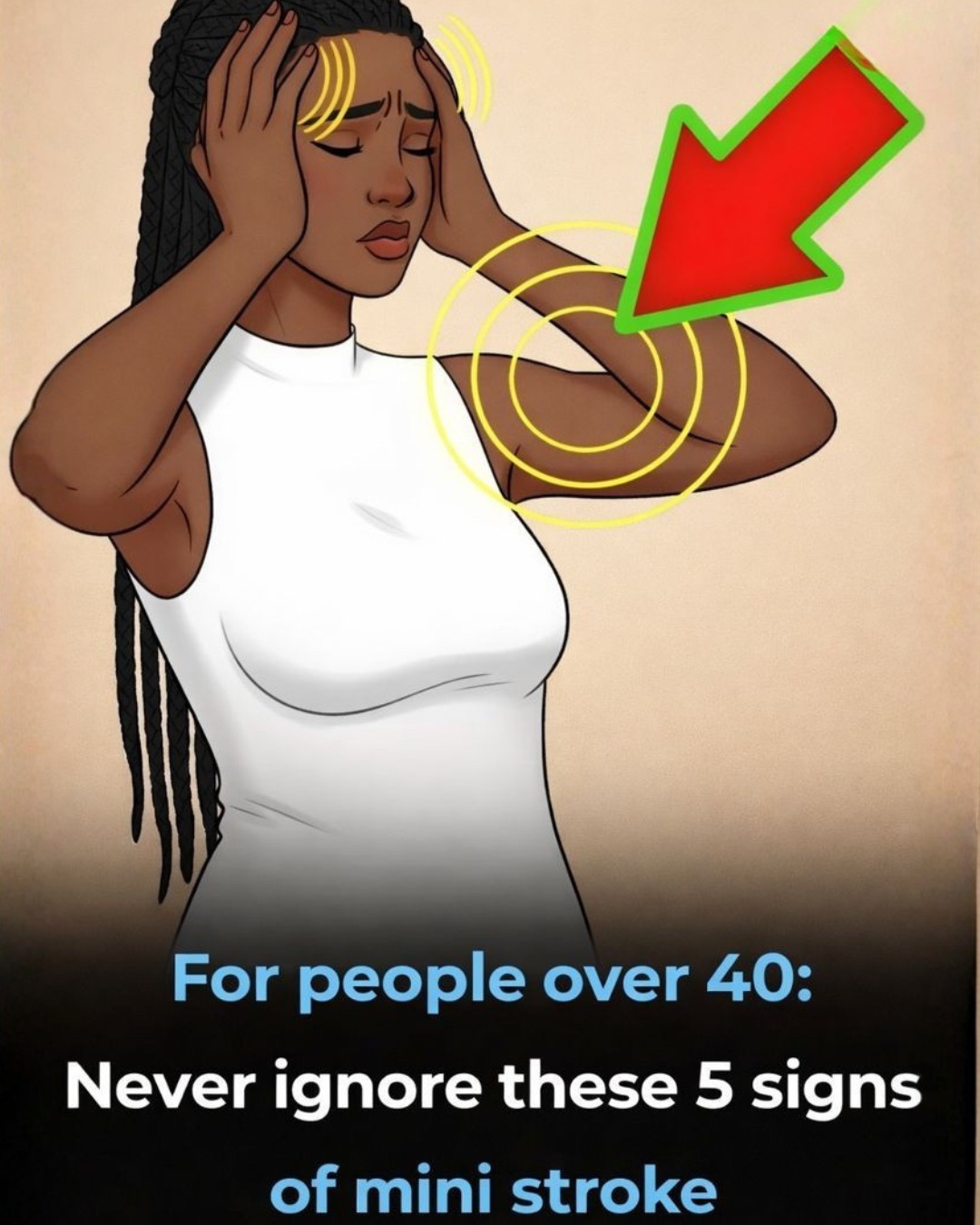
1. Face drooping
One of the most visible and immediate signs of a transient ischemic attack (TIA) is sudden face drooping, usually on one side. This happens because the brief blockage in blood flow affects the muscles controlling facial movement. You might notice that when you try to smile, one side of your face appears uneven or numb.
In practice, this symptom can be tested by asking the person to smile or show their teeth. If one side does not move as well or appears to sag, it is a strong warning sign. This asymmetry is often accompanied by numbness or a heavy feeling on that side of the face.
Recognizing this symptom early is crucial because it indicates impaired brain function that needs urgent evaluation. Even if it resolves quickly, don’t dismiss it.
2. Arm weakness
Arm weakness, particularly on one side, is another hallmark symptom of a mini-stroke. Affected individuals may find it difficult to raise one arm fully or notice that one arm drifts downward when both are raised simultaneously. This weakness results from temporary disruption of blood supply to brain regions responsible for motor control.
In a practical test, try raising both arms with palms up. If one arm involuntarily drifts down or feels weak, it signals possible muscle impairment linked to a TIA. This symptom can affect coordination and strength, even if only briefly.
Immediate medical attention is advised if you or someone else experiences sudden arm weakness, as it could precede a full stroke.






