When Is Abdominal Fat Just a Nuisance—and When Is It a Serious Health Concern?
Many people struggle with stubborn abdominal fat, especially as they age. This fat can range from subcutaneous deposits under the skin to dangerous visceral fat that surrounds internal organs. Understanding which type you have is crucial because visceral fat significantly increases the risk of cardiovascular disease, type 2 diabetes, and other metabolic disorders.
Visceral fat is not something that can be washed or cleansed away like surface dirt. It stems from lifestyle factors such as a high-calorie diet, physical inactivity, hormonal imbalances, certain medications, and genetics. The health risks involved often require medical evaluation and interventions beyond home remedies.
How to Distinguish Normal Digestive Waste from Abdominal Fat and Colon Issues
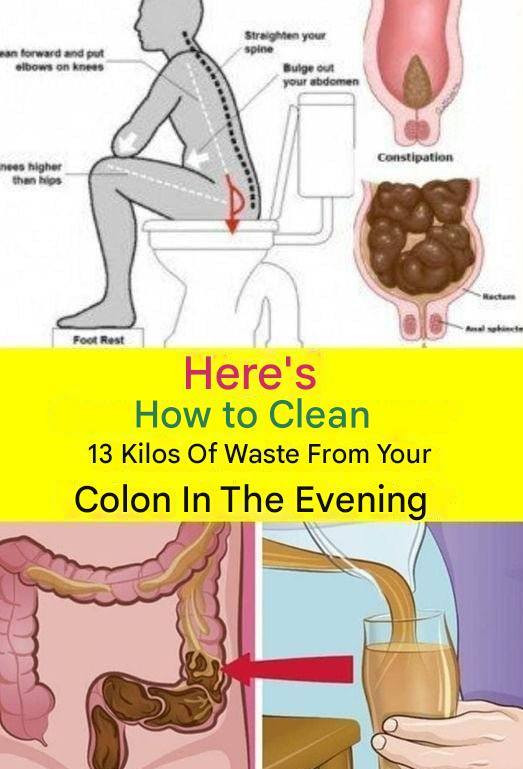
The colon naturally contains waste material, but claims about removing large amounts of waste overnight can be misleading. In reality, what accumulates in the colon is a combination of digested food residues, bacteria, and mucus—not simply a build-up of waste fat. Excessive claims of 15 kilograms of waste removed in one night lack scientific support and can be dangerous if they encourage extreme or unproven cleansing methods.
If you suspect you have digestive issues or excessive abdominal fat, first evaluate symptoms such as bloating, irregular bowel movements, and abdominal discomfort. Persistent or severe symptoms warrant consultation with a healthcare professional to rule out conditions like constipation, irritable bowel syndrome, or other gastrointestinal disorders.
The Cost and Risks of Professional Colon Cleansing and Fat Reduction Treatments
Professional colon cleansing services and fat reduction treatments vary widely in cost. Colon hydrotherapy sessions typically range from $75 to $200 per visit, and multiple sessions may be required. Liposuction or medical fat reduction procedures can cost thousands of dollars and carry risks that should be carefully considered with a licensed physician.
Attempting at-home colon cleanses without proper guidance can lead to dehydration, electrolyte imbalances, or damage to the intestinal lining. Similarly, aggressive dietary attempts to ‘flush out’ fat quickly often result in temporary water loss rather than actual fat reduction.
Why Age Makes Abdominal Fat Harder to Lose
As people age, metabolic and hormonal changes slow down fat metabolism, making weight loss more difficult, especially in the abdominal region. Women over 40 often face this challenge due to declining estrogen levels, which affect fat distribution and storage.
Unlike quick-fix claims, sustainable abdominal fat loss involves consistent dietary changes, physical activity, and sometimes medical support. Relying on unproven home remedies or shortcuts delays effective treatment and may worsen health risks.
Understanding what your abdominal fat really represents—and the potential health costs of ignoring it—is the first step toward safe and effective management.
Here are the stages of a safe and effective approach to abdominal and colon care, including one step that is critical but often overlooked.






