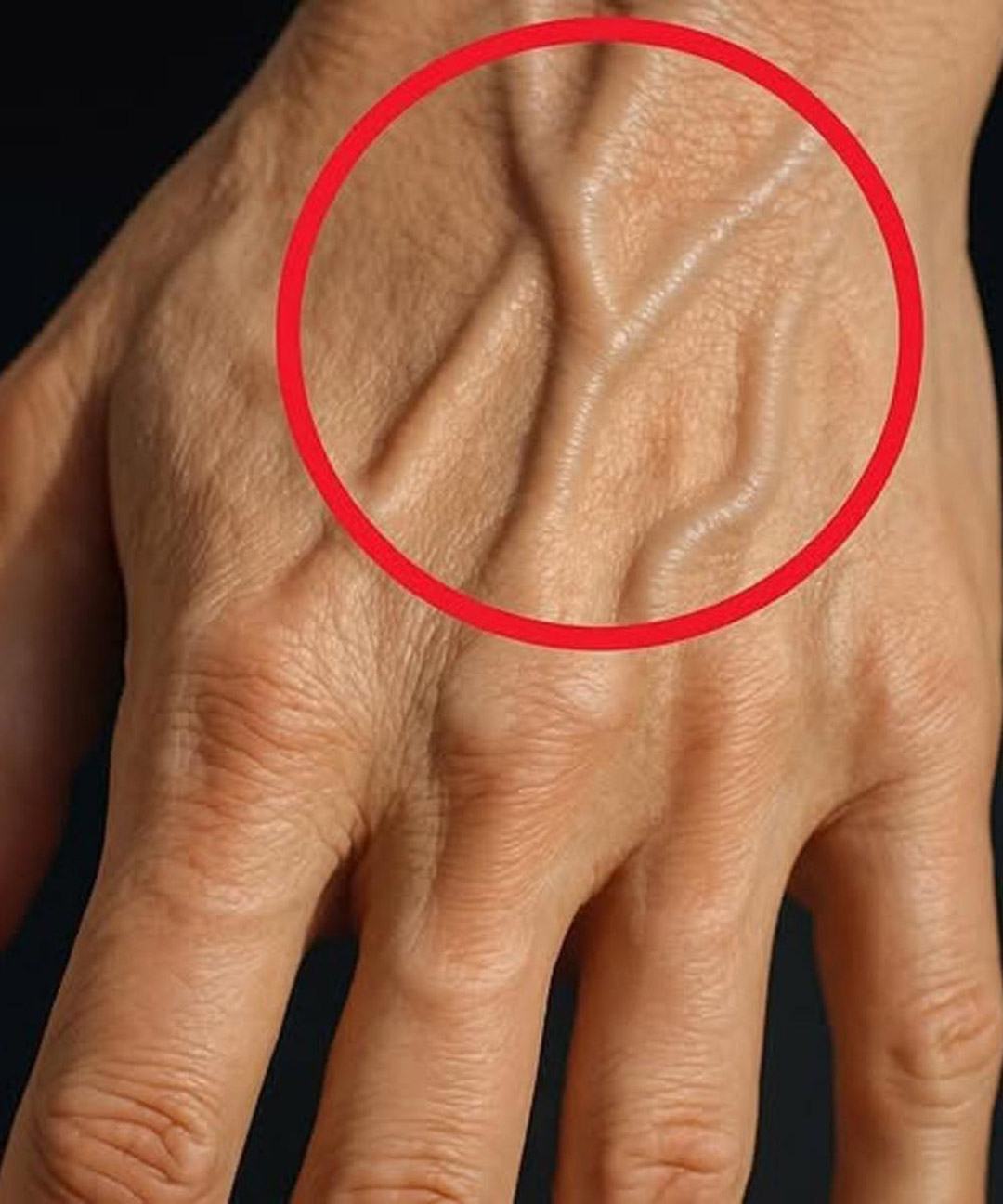
5. Hormonal changes
Hormonal fluctuations during pregnancy, menopause, or the menstrual cycle can influence vein visibility. Estrogen and progesterone affect blood vessel tone and circulation, sometimes causing veins to dilate or become more visible temporarily.
For example, pregnant women often experience increased blood volume and hormonal shifts that make veins more prominent, particularly in the legs and abdomen. These changes typically resolve after hormonal levels stabilize postpartum or post-menopause.
6. Sudden appearance
A sudden, unexplained increase in visible veins should prompt careful consideration. If new prominent veins appear rapidly without changes in weight, activity, or environment, it may indicate an underlying vascular condition such as varicose veins, thrombophlebitis, or a circulatory disorder.
Additional symptoms that require prompt medical evaluation include:
- Localized pain, swelling, or warmth over the vein
- Hard, twisted, or bulging veins
- Skin changes such as discoloration, dryness, or ulceration near the veins
- Visible vein networks appearing on the chest or abdomen
When to See a Doctor
While visible veins are often harmless, seek medical advice if you experience:
- Sudden onset of prominent veins without clear cause
- Persistent pain, swelling, or a sensation of heat in a vein
- Hard or twisted veins suggestive of varicosities
- Skin changes around the vein area that do not improve
- General concern or uncertainty about your symptoms
A healthcare professional can perform a physical exam and may recommend diagnostic tests like duplex ultrasonography to assess vein health and circulation. Early diagnosis and management can improve comfort and prevent complications.
Conclusion
Visible veins often reflect normal physiological or lifestyle factors such as body composition, exercise, temperature, aging, or hormonal changes. However, sudden or symptomatic vein changes warrant medical attention to exclude vascular diseases. Maintaining a healthy lifestyle and monitoring any new symptoms is key to vascular health.
This information is not a substitute for professional medical advice. If you have concerns about your veins or circulation, please consult a healthcare provider.






