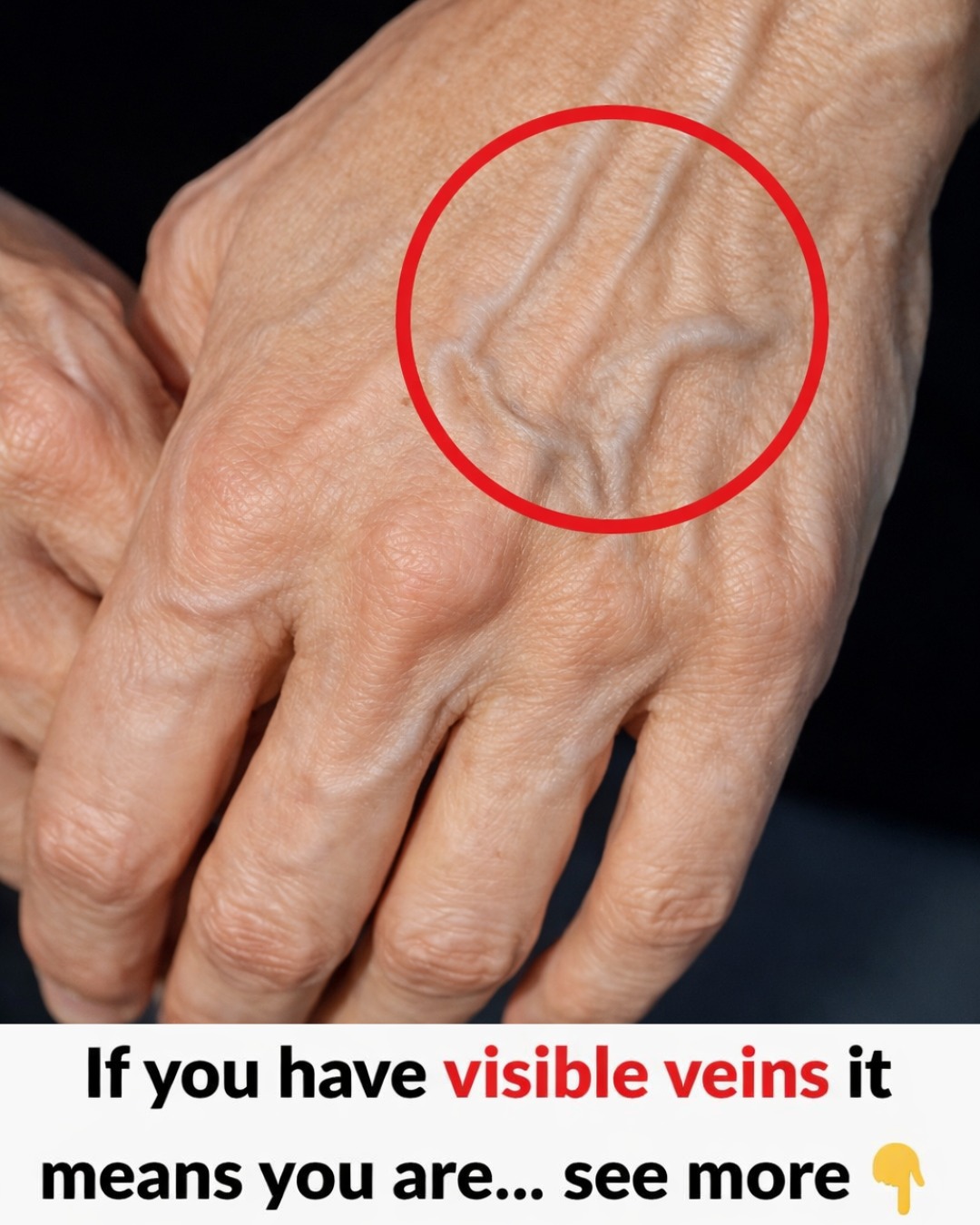
1. Low Body Fat and Fitness
One of the most common reasons veins become highly visible is a low level of body fat. When fat beneath the skin diminishes, veins that normally lie deeper become closer to the surface, making them more prominent. This is especially noticeable in people with body fat percentages below approximately 15% for men and 20% for women, though individual variations exist.
Fitness enthusiasts often view pronounced veins as a sign of dedication to diet and exercise. However, vascularity can also depend on muscle size and skin thickness. Even with low body fat, some individuals may not display visible veins due to these other factors.
2. Temporary Triggers for Vein Visibility
Several temporary conditions can cause veins to stand out more intensely. During exercise, increased blood flow and muscle contractions push veins outward to accommodate greater circulation demands. This “pump” effect can make veins look larger and more distinct.
Heat exposure dilates blood vessels near the skin to help dissipate heat, resulting in more visible veins. Stress and certain medications may also influence vein prominence. Dehydration may contribute by thickening the blood, although its impact on vein visibility is less consistent.
3. Aging and Skin Thinning
As people age, the skin naturally loses collagen and elasticity, causing it to thin. This thinning reduces the distance between veins and the surface, making veins appear more obvious, especially on the hands and forearms. Visible veins due to aging are generally harmless but can affect appearance and self-confidence.
These changes typically become noticeable in middle age and progress gradually. Protecting skin health through moisturizing and sun protection can help maintain some thickness and elasticity.






