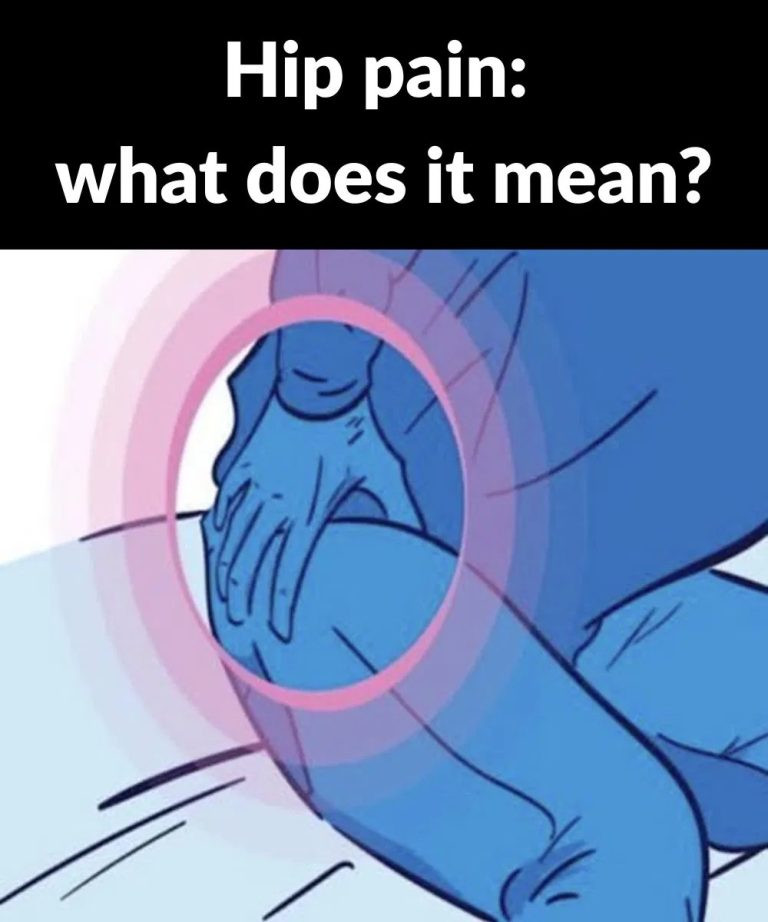
3. Overweight impact
Carrying excess body weight significantly increases the mechanical load on the hip joints. Each additional kilogram adds stress that accelerates cartilage wear and elevates the risk of osteoarthritis progression. This increased pressure can intensify pain and reduce mobility over time.
Weight management is one of the most effective strategies to reduce hip joint strain. Even modest weight loss can lower the forces exerted on the hip during everyday activities, leading to noticeable improvements in symptoms and slowing joint damage.
- Reducing calorie intake and adopting balanced nutrition supports weight loss.
- Low-impact exercises such as swimming or cycling promote fat loss without worsening joint strain.
- Consultation with a healthcare professional or dietitian can provide individualized plans.
4. Physical strain effects
Occupations or sports that involve repetitive hip movements, heavy lifting, or prolonged standing can accelerate cartilage breakdown. The cumulative physical strain leads to micro-injuries and inflammation, which contribute to the gradual loss of joint integrity.
Additionally, prior injuries such as fractures or dislocations increase susceptibility to early osteoarthritis. Protecting the hip from excessive strain and allowing adequate recovery after injuries are essential to preserving joint health.
When to See a Doctor
If you experience persistent hip pain during routine activities, morning stiffness lasting more than 30 minutes, difficulty putting on shoes or bending, or sensations of grinding or cracking in the joint, it is important to seek medical evaluation. Early diagnosis through clinical examination and imaging tests such as X-rays or MRI can guide treatment to slow progression and improve quality of life.
Conclusion
Hip pain often signals underlying cartilage wear that can lead to osteoarthritis. Recognizing genetic risks, managing body weight, and moderating physical strain are key to preserving hip function. Early intervention and appropriate lifestyle adjustments can help maintain mobility and reduce discomfort over time.
Disclaimer
This information is intended for educational purposes and does not replace professional medical advice. Consult your healthcare provider for diagnosis and treatment tailored to your condition.






