1. Historical origin
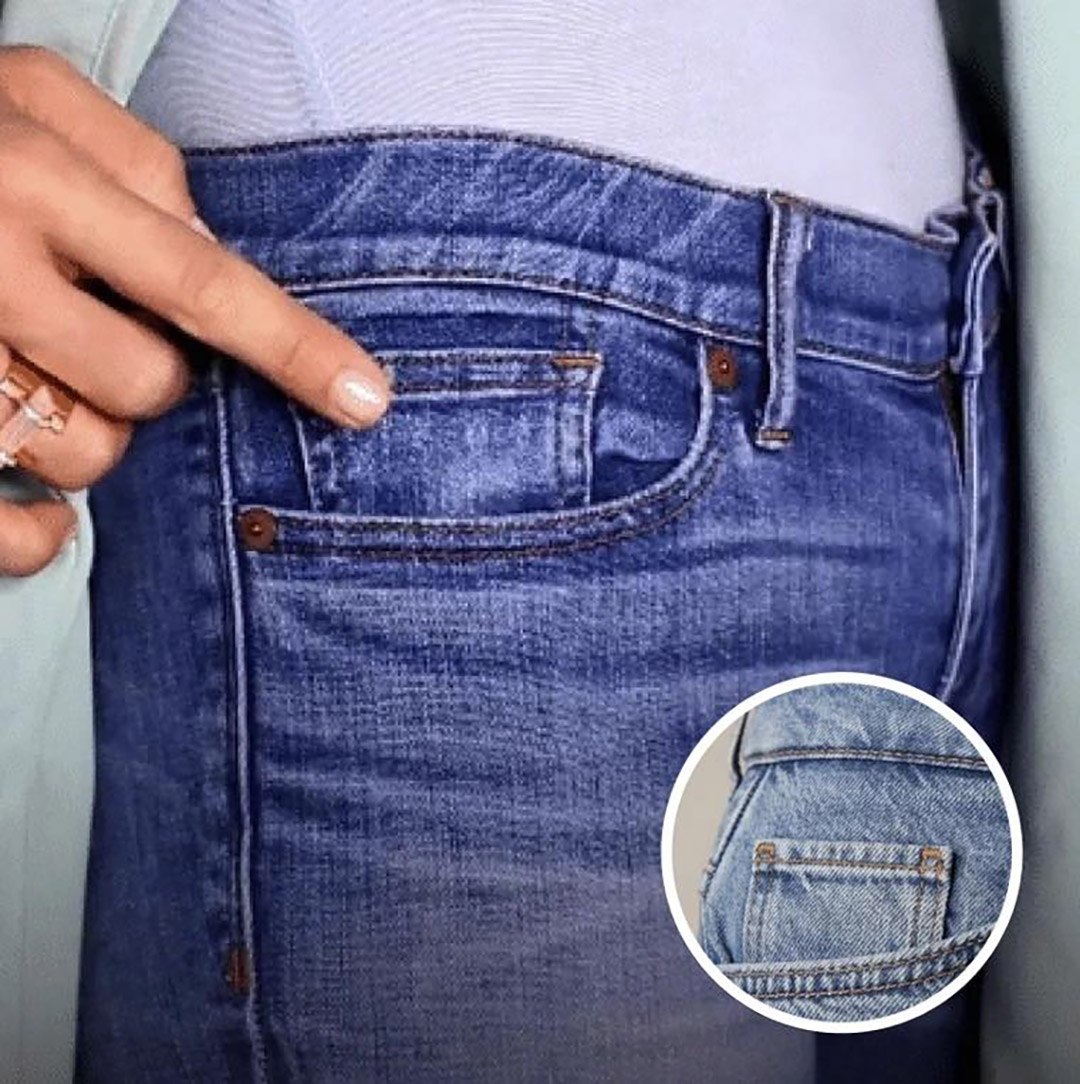
The small pocket sewn inside jeans traces back to the late 19th century, a period when jeans were primarily durable workwear rather than a fashion statement. Levi Strauss & Co., pioneers of denim jeans, introduced this mini-pocket specifically to meet a practical need of that era. It was designed to hold a pocket watch, an essential accessory for workers, farmers, and shopkeepers who relied on punctuality during their daily routines.
This pocket was not a decorative flourish but a functional addition that reflected the lifestyle and occupational demands of its time. It was strategically placed on the front of the trousers for easy access and protection of the watch, which was typically attached to a chain. This design choice highlights how clothing evolved in response to the tools and habits of the people who wore it.
2. Function for pocket watches
Before wristwatches became widespread and long before smartphones, the pocket watch was a ubiquitous timekeeping device. It symbolized organization and time management, qualities highly valued in both professional and personal contexts. Jeans, as practical garments, adapted to accommodate this essential item.
The small pocket served as a secure compartment for the watch, preventing damage and loss while keeping it readily accessible. Unlike dress pants, which often stored watches in waistcoat pockets as part of formal attire, jeans catered to a more casual and utilitarian use. This distinction underscores the jeans’ identity as garments meant for freedom, movement, and rugged use.
3. Design evolution
Remarkably, the design of jeans has remained largely consistent since the introduction of the iconic 501 model in the late 1800s. The small pocket has endured as a fixture, even after the pocket watch became obsolete. Its persistence reflects a respect for the garment’s heritage and authenticity rather than mere nostalgia.
This pocket is a nod to the origins of jeans and serves as a subtle tribute to their history. Except for minor adjustments made during periods such as the Second World War, the essential elements of jeans’ construction have stayed intact. Maintaining this pocket preserves the original character and practical spirit of jeans, connecting wearers to a century-old tradition.






