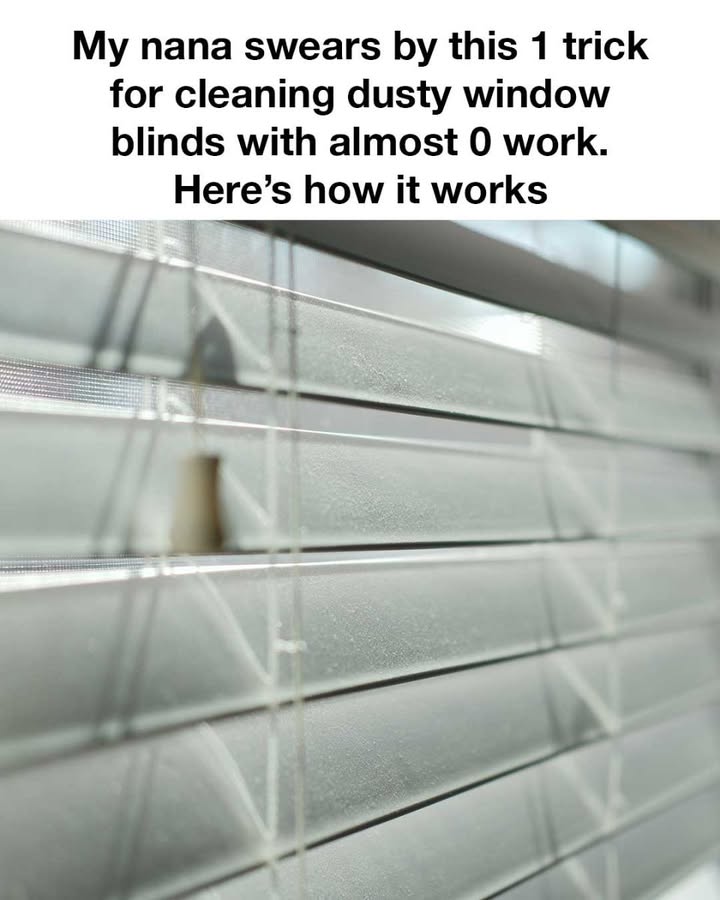
5. Avoid excess moisture
Excess moisture is one of the main risks when cleaning window blinds. Overly wet socks or cleaning solutions can cause water stains, warping, or even mold growth, especially on wooden or fabric blinds. Always wring out your sock mitt thoroughly before use.
After cleaning, allow the blinds to air dry completely by opening the window or turning on a fan. If necessary, use a dry cloth to wipe away any remaining dampness to prevent damage.
6. Handle different blind materials
Window blinds come in various materials, each requiring specific care. Wooden blinds are sensitive to moisture and should only be cleaned with a slightly damp sock mitt. Avoid harsh chemicals that can strip the finish.
Metal blinds tolerate a bit more moisture and can handle gentle soap solutions. Fabric blinds often require dry cleaning or very light damp cleaning; test a small area first to prevent water spots or shrinking.
Always tailor your cleaning approach based on the blind material to prolong their lifespan and maintain their appearance.
When to See a Professional
If you notice persistent stains, mold, or damage on your blinds that home cleaning cannot resolve, consider consulting a professional cleaning service. This is especially important for delicate materials or high-value blinds where improper cleaning could cause irreversible harm.
Additionally, if dust accumulation is severe and contributing to allergy symptoms or respiratory discomfort, a professional deep cleaning may be warranted.
Conclusion
Using an old sock as a cleaning mitt is a cost-effective, eco-friendly, and efficient method to keep your window blinds dust-free. By choosing the right socks, preparing a gentle cleaning solution, and adapting your approach to the blind material, you can maintain clean blinds with minimal effort and risk.
Regular maintenance prevents buildup that can affect both the appearance of your home and indoor air quality. Try this simple technique to save time and avoid harsh chemicals.
Disclaimer: This article provides general cleaning advice. For specific material care or health concerns related to dust allergies, consult a professional cleaner or healthcare provider.






