4. Aloe Vera Gel
Aloe vera gel, extracted fresh from the leaf, contains aloin, a compound thought to have depigmenting effects by reducing melanin synthesis. Beyond potential lightening, aloe vera offers skin hydration and soothing properties, which can improve skin texture and comfort, especially after sun exposure.
To use, cut a fresh aloe leaf and scoop out the clear gel. Apply the gel directly to affected areas daily, preferably at night. Aloe vera can be left on the skin overnight and rinsed off in the morning if desired. Regular use over weeks or months may contribute to gradual improvement in skin tone.
- Use pure fresh gel rather than commercial gels with additives
- Store unused gel in the refrigerator for up to a week
- Patch test to ensure no allergic reaction before facial use
Aloe vera is generally safe for topical use, but rare allergic reactions can occur. Avoid applying on open wounds or severely broken skin.
5. Green Tea Polyphenols
Green tea contains epigallocatechin gallate (EGCG), a polyphenol with antioxidant properties that may suppress melanin production and protect skin from ultraviolet (UV) damage. Some studies suggest green tea extract can inhibit melanogenesis and reduce oxidative stress in skin cells, which contributes to pigmentation control.
Prepare green tea by steeping a tea bag or 1 teaspoon of loose leaf in hot water for 3 to 5 minutes. After cooling completely, apply the tea as a compress using a clean cloth or cotton pads to the pigmented areas once or twice daily. Alternatively, topical products containing green tea extract can be used following manufacturer guidance. Consistent daily use over several weeks is recommended.
- Use cooled tea or extracts to avoid heat irritation
- Suitable for sensitive skin due to its calming effects
- Combine with sunscreen to prevent new sun spots
Green tea topical application is safe for most skin types. If irritation or allergic reaction occurs, discontinue use.
Practical Guidance for Safe Use
When trying these natural ingredients, start slowly and patch test each one on a small area of skin for at least 24 hours to monitor for adverse reactions. Introduce products 2 to 3 times per week initially and increase frequency as tolerated. Most ingredients require consistent use for 4 to 12 weeks to see visible changes. Always apply a broad-spectrum sunscreen with SPF 30 or higher during the day, as many natural agents can increase sun sensitivity.
Who Should Avoid These Remedies
- Pregnant or breastfeeding women should consult a healthcare provider before use
- Individuals with known allergies to any ingredient should avoid that remedy
- People with active skin infections, open wounds, or severe eczema should not apply these topicals until healed
- Those on photosensitizing medications or with hormone-sensitive conditions should seek medical advice first
When to See a Doctor
If you notice sudden changes in pigmentation, rapid growth of spots, bleeding, itching, or pain in the affected areas, consult a dermatologist promptly. Also seek professional evaluation if natural remedies do not improve symptoms after several months or if your skin reacts with persistent redness, swelling, or blistering.
Conclusion
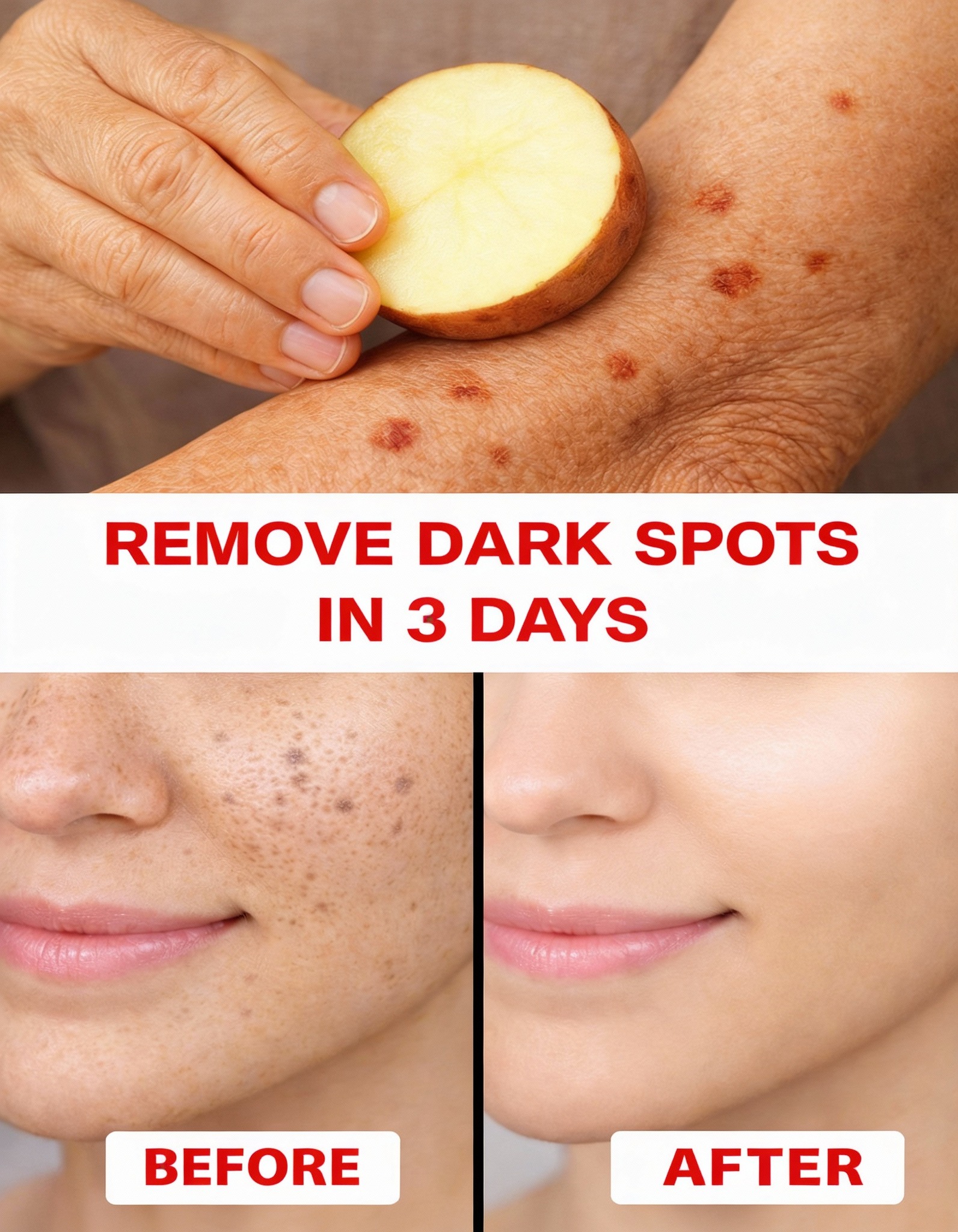
Natural ingredients like potato enzyme, vitamin C, licorice root extract, aloe vera gel, and green tea polyphenols offer gentle options that may support more even skin tone and reduce the appearance of age spots, melasma, and sun spots. While evidence ranges from traditional use to preliminary studies, these remedies can complement sun protection and healthy skincare habits. Patience and consistency are key, and professional advice should guide treatment for persistent or concerning pigmentation.
This information is for educational purposes only and does not replace professional medical advice. Consult a healthcare provider or dermatologist before starting any new skin treatment.






