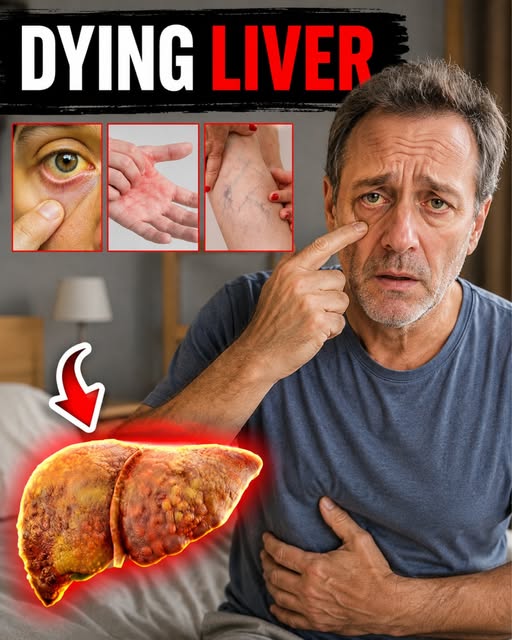
6. Right Rib Cage Pressure
A dull, persistent pressure or discomfort under the right rib cage is a classic sign that the liver is under strain. This sensation arises because the liver enlarges as it becomes inflamed or congested, stretching the capsule that surrounds it. Conditions like fatty liver disease, hepatitis, or cirrhosis can cause this enlargement.
This symptom should never be ignored, especially if accompanied by other signs such as jaundice or swelling. A physical exam often reveals tenderness in this area. Imaging studies like abdominal ultrasound or CT scan can assess liver size and detect abnormalities. Early evaluation helps direct appropriate treatment to prevent further damage.
7. Pale Stools
Normally, bile pigments give stools their characteristic brown color. When bile flow from the liver to the intestines is blocked or reduced, stools become pale, clay-colored, or even white. This is a critical bathroom clue signaling cholestasis.
Causes include bile duct obstruction by gallstones, tumors, or strictures, as well as liver diseases affecting bile production. Pale stools accompanied by dark urine and jaundice require immediate medical attention. Diagnostic tests include liver function tests and imaging of the biliary system via ultrasound or MRCP (magnetic resonance cholangiopancreatography).
8. Red Palms and Spider Veins
Red palms, known as palmar erythema, and spider veins (small, spider-like blood vessels visible on the skin) are signs of liver disease affecting hormone metabolism and blood vessel regulation. When the liver cannot break down estrogen effectively, increased levels cause dilation of small blood vessels, leading to these visible changes.
These signs are often seen in chronic liver conditions such as cirrhosis. Although they may not cause discomfort, their presence alongside other symptoms should prompt liver evaluation. Blood tests for liver function and hormone levels can help confirm the diagnosis, guiding further management.






