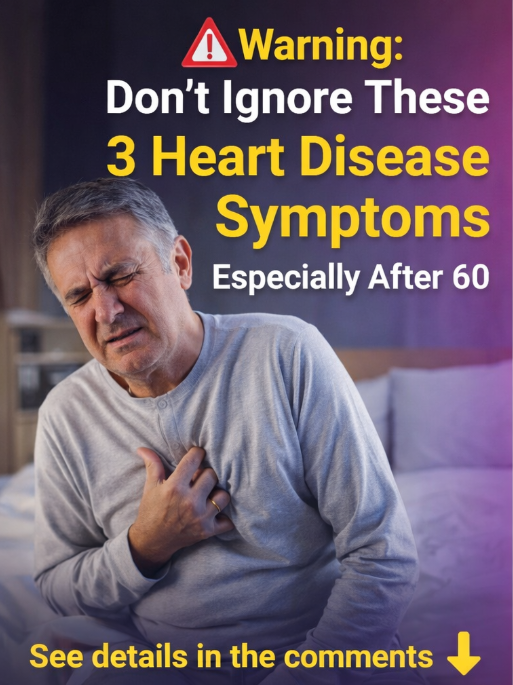
1. Chest Discomfort or Pressure
Chest discomfort is a hallmark symptom of coronary artery disease, where narrowed or blocked arteries reduce blood flow to the heart muscle. This can cause sensations such as pressure, tightness, squeezing, or mild pain that may come and go.
Unlike sharp or stabbing pain, this discomfort often feels like an uncomfortable weight or fullness in the chest. It may worsen with physical exertion, emotional stress, or heavy meals and improve with rest.
- Pressure or tightness across the center of the chest
- A squeezing or constricting sensation
- Mild discomfort that may radiate to the jaw, neck, shoulder, or arm
Because chest discomfort may sometimes be subtle, especially in older adults or those with diabetes, it should always prompt evaluation by a healthcare professional. Early diagnosis can lead to treatments that improve blood flow, such as medications or procedures like angioplasty.
2. Shortness of Breath
Shortness of breath, or dyspnea, can signal that the heart is struggling to pump efficiently. When the heart cannot meet the body’s oxygen demands, fluid may build up in the lungs, making breathing difficult.
This symptom may appear during activities that previously caused no issues, such as walking short distances or climbing stairs. In more advanced cases, breathlessness can occur at rest or when lying flat, known as orthopnea.
- Difficulty breathing during physical activity
- Shortness of breath even while resting
- Waking up at night gasping for air
Persistent or worsening shortness of breath requires prompt medical assessment to check for heart failure or other cardiovascular conditions. Diagnostic tests may include an echocardiogram, chest X-ray, and blood tests to evaluate heart function.






