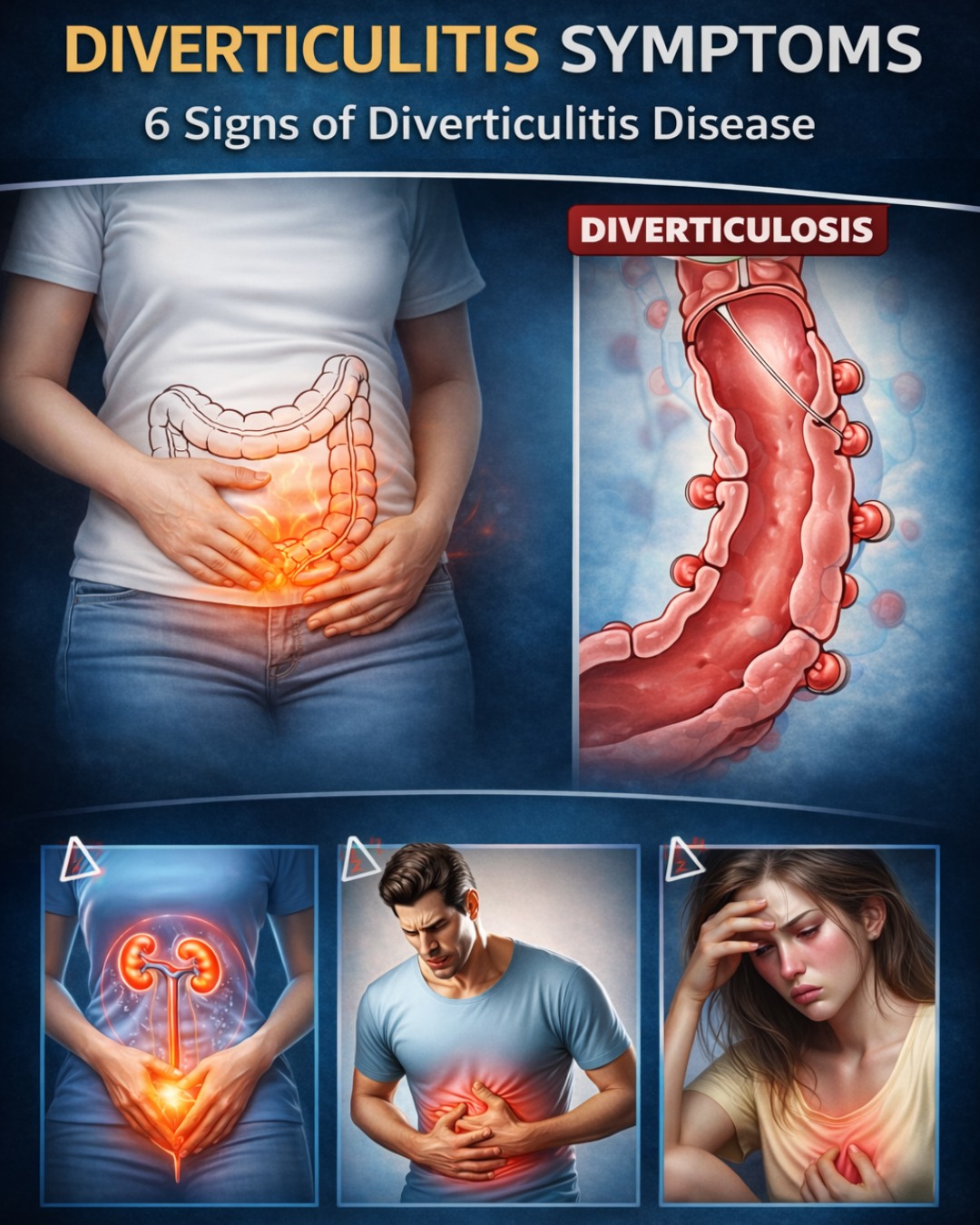
1. Persistent lower left abdominal pain
One of the earliest and most telling signs of diverticulitis is persistent pain located in the lower left quadrant of the abdomen. This discomfort often starts as a dull ache or pressure sensation rather than a sharp pain, which can lead to underestimating its significance. The pain may intensify after meals or with physical movement, reflecting irritation or inflammation of the diverticula in that region of the colon.
Unlike common abdominal cramps or gas pains that tend to fluctuate and resolve quickly, this pain typically lingers for days and may gradually worsen. Patients might notice that resting or light activity does not fully relieve the discomfort, signaling the need for further assessment.
- Usually localized to the lower left abdomen
- May feel like constant pressure or a nagging ache
- Can worsen after eating or moving
- Not relieved by typical gas remedies
Recognizing this pain pattern early is critical because it guides timely medical evaluation that can prevent complications such as abscess formation or perforation. If you experience such persistent pain, especially if new or unusual for you, consulting a healthcare provider is advisable.
2. Unexplained bowel habit changes
Diverticulitis can disrupt normal bowel function, leading to noticeable changes in stool consistency and frequency. These alterations often happen without any dietary changes or obvious causes, which should raise suspicion. Common examples include alternating bouts of constipation and diarrhea or a sudden shift from your usual pattern.
This symptom arises because inflammation or swelling near the diverticula can affect colonic motility and absorption. The resulting unpredictability can cause discomfort and anxiety, interfering with daily routines.
- Alternating constipation and loose stools
- Feeling of incomplete evacuation
- Sudden onset without clear dietary triggers
- Disruption of usual bowel regularity
Tracking these bowel changes and reporting them to your healthcare provider can provide important clues to your diagnosis. Persistent or worsening irregularity warrants professional evaluation to rule out diverticulitis or other gastrointestinal conditions.






