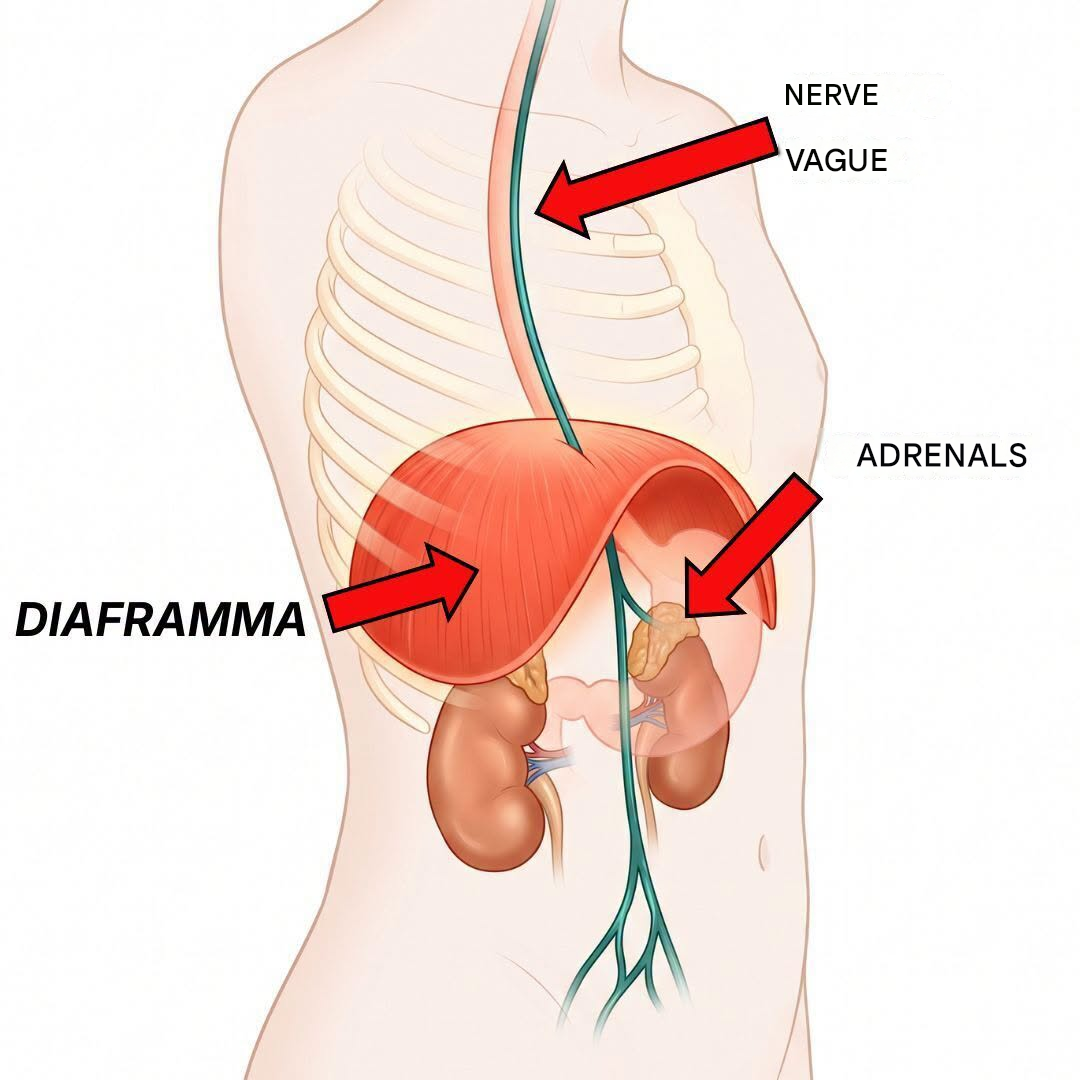
3. How stress affects breathing
Stress triggers a complex physiological response designed to prepare the body for perceived threats, often called the fight-or-flight response. One of the immediate effects is a change in breathing patterns. Instead of slow, deep breaths, stress typically causes rapid, shallow breathing concentrated in the upper chest and shoulders.
This shift is not just a symptom but also a contributor to feeling anxious or on edge. The increased breathing rate delivers more oxygen to muscles in preparation for action but can also heighten sensations of tension and restlessness when prolonged.
4. Signs of tense breathing pattern
<pRecognizing when your breathing is tense or inefficient can help you intervene before stress escalates. Common signs include:
- Shoulders rising with each breath instead of remaining relaxed
- A feeling of tightness or constriction around the chest or ribs
- Frequent sighing or shallow breaths
- Neck and shoulder muscle tension
- Difficulty taking a satisfying, full breath
- Persistent feelings of stress or tension stored in the body
- Shallow breathing during sedentary activities like working or scrolling on a phone
- Problems relaxing before sleep due to breathlessness or restlessness
While these symptoms are common and often related to lifestyle stress, they can negatively impact overall well-being if unaddressed.
5. Effects of shallow breathing
Shallow breathing limits the amount of oxygen delivered to the body and reduces the efficiency of carbon dioxide removal. This can lead to a cascade of physiological effects, including increased heart rate and muscle tension.
Over time, habitual shallow breathing may contribute to chronic feelings of fatigue, anxiety, and digestive discomfort. It may also encourage reliance on accessory muscles in the neck and chest, which can worsen posture and cause musculoskeletal pain.
Medical sources note that deep diaphragmatic breathing supports relaxation and can reduce stress-related symptoms, whereas persistent shallow chest breathing may perpetuate a heightened state of alertness.






