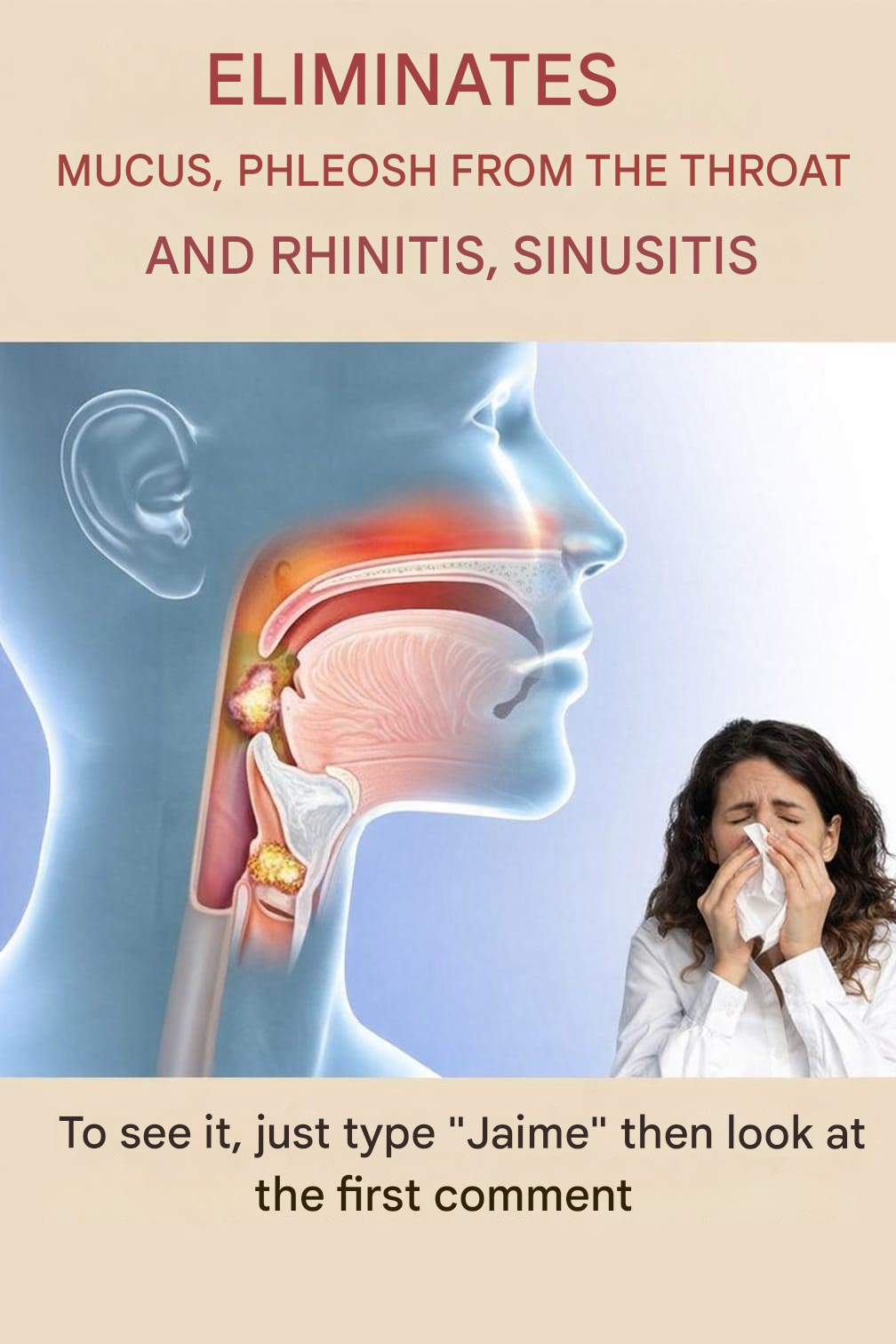
Understanding Excess Mucus, Phlegm, and Rhinitis
Excess mucus and phlegm production in the throat and nose, along with rhinitis—a common inflammation of the nasal passages—are frequent causes of discomfort that can interfere with daily life. These conditions often arise during colds, allergies, or respiratory infections, but can also result from environmental factors such as pollution, consuming irritants, or sudden temperature changes.
Mucus and phlegm serve important protective roles in the respiratory system. Mucus, a thinner secretion primarily produced in the nose, traps dust, allergens, and pathogens, while thicker phlegm is generated in the throat and lungs to help clear deeper respiratory passages. However, when their production becomes excessive, it can cause nasal congestion, coughing, difficulty breathing, and persistent throat irritation.
What Is Rhinitis?
Rhinitis refers to inflammation of the nasal mucous membranes and can be categorized as allergic or non-allergic. Allergic rhinitis is triggered by allergens such as pollen, dust mites, or pet dander, whereas non-allergic rhinitis may be caused by viral infections, hormonal fluctuations, or exposure to irritants like strong odors. Common symptoms include frequent sneezing, nasal congestion, runny nose, itchy nose, and watery eyes.
Why Managing These Symptoms Matters
Addressing excess mucus, phlegm, and rhinitis symptoms promptly is crucial to reduce the risk of secondary complications such as sinus infections, ear infections, bronchitis, or exacerbation of asthma. Effective management also improves oxygen intake, which supports better sleep, concentration, immune function, and overall energy levels.
What Home Remedies Can and Cannot Do
Natural home remedies can provide relief by soothing irritated airways, thinning mucus, and supporting the immune system. However, they do not cure the underlying causes such as infections or allergies and should not replace medical evaluation or treatment when symptoms are severe or persistent. It is important to consult a healthcare professional if breathing difficulties worsen or if symptoms last beyond a typical cold duration.
Precautions with Natural Treatments
While herbal and natural remedies are often considered safe, some can interact with medications or cause side effects, especially in children, pregnant individuals, or those with chronic health conditions. Before starting any new treatment, discussing it with your healthcare provider is recommended to avoid adverse effects or interactions.
Maintaining a clean environment, staying hydrated, avoiding irritants like tobacco smoke, and following a balanced diet rich in vitamin C can also support respiratory health and reduce mucus buildup.
Here are the 5 home remedies that help clear mucus and relieve rhinitis symptoms, with one standing out for its powerful soothing effect.