Safety and Precautions
This homemade herbicide contains salt and detergent, which can irritate skin and eyes. Always wear gloves and eye protection when mixing and applying the solution. Work in a well-ventilated outdoor area to avoid inhaling fumes or spray mist. If the solution contacts skin or eyes, rinse immediately with plenty of water.
Keep the herbicide out of reach of children and pets to prevent accidental ingestion or contact. Store it securely in its labeled container. Because salt residues can accumulate in soil, avoid frequent or heavy use in the same area to prevent long-term soil damage and harm to desirable plants.
Do not mix this herbicide with other household chemicals, especially ammonia or bleach, to avoid dangerous reactions. Avoid spraying near water sources such as ponds or streams to prevent contamination and harm to aquatic life.
- Wear protective gloves and goggles during preparation and application.
- Keep children and pets away from treated areas until dry.
- Do not use near edible plants or vegetable gardens.
Expected Results
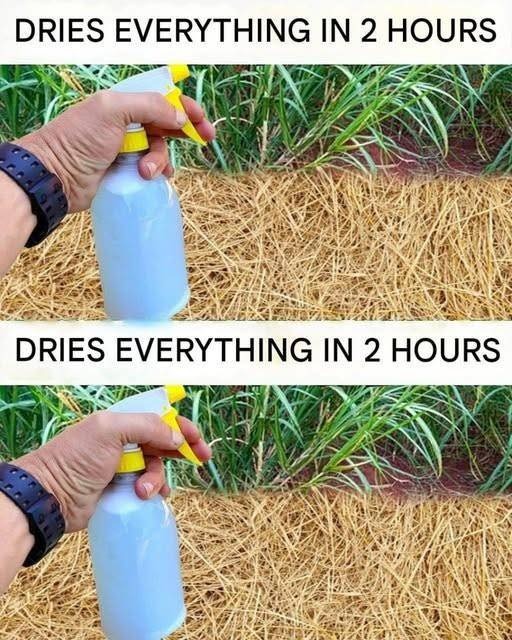
When applied correctly on a hot, sunny day, initial signs of weed damage such as wilting and leaf discoloration should be visible within 2 hours. The affected weeds will typically turn brown or purplish and become completely dry within 3 to 5 days.
Persistent or deep-rooted weeds may require multiple treatments spaced a week apart. This herbicide works by dehydrating the plant tissue and disrupting metabolic processes, leading to death. However, it does not affect weed roots directly; regrowth is possible if roots remain viable.
Because it is non-selective, the herbicide is best reserved for hard surfaces, cracks, driveways, or garden areas where desirable plants are not present. Its fast action and easy preparation make it a practical alternative to commercial chemical herbicides for spot treatment of visible weeds.
- Visible leaf damage appears within 2 hours of application.
- Complete drying and browning occurs within 5 days.
- Multiple applications may be needed for tough weeds.
What to Avoid
Avoid using this homemade herbicide near lawns, flower beds, or any plants you wish to keep, as it will kill or damage them. Do not apply it on windy days to prevent drift onto desirable vegetation. Avoid spraying on porous or painted surfaces, as salt residues can cause staining or corrosion.
Do not mix this solution with bleach, ammonia, or other household chemicals, as dangerous fumes or reactions may occur. Avoid over-application on soil to prevent salinity buildup that can impair soil health and future plant growth.
Handling it Safely
Wear rubber gloves and eye protection when mixing and applying the herbicide to protect against skin and eye irritation. Work outdoors or in a well-ventilated area to minimize inhalation of spray mist. Wash your hands thoroughly after use.
Keep the spray bottle clearly labeled and stored out of reach of children and pets. Rinse any accidental splashes on skin or eyes immediately with plenty of water. Avoid inhaling spray mist by applying carefully and standing upwind.
When to Seek Professional Help
If you face a large-scale or persistent weed infestation, especially involving invasive species or weeds resistant to herbicides, professional weed control services may be more effective. Commercial treatments can cost several hundred dollars depending on property size but offer targeted solutions and longer-lasting control.
Consulting a landscaping or lawn care professional can help identify the weed species and recommend safe chemical or mechanical options. This is particularly important near sensitive plants, edible gardens, or public areas where regulations apply.
Conclusion
This homemade herbicide offers a cost-effective way to quickly dry and kill unwanted weeds using common household ingredients. Its fast action within hours and simple preparation make it convenient for spot treatments on driveways, pavement cracks, and garden paths.
However, its non-selective nature and potential soil impact require careful application to avoid damaging desirable plants or surfaces. Following safety guidelines and application tips will help you achieve effective weed control without relying on commercial chemicals.






