Important Risks to Consider
The most significant concern with baking soda on the face is its high alkalinity. Healthy facial skin maintains a slightly acidic pH around 4.5 to 5.5, which protects against harmful bacteria and maintains barrier function. Baking soda has an alkaline pH near 9, which can disrupt this delicate balance.
Frequent or concentrated use of baking soda can strip the skin’s natural oils, causing dryness, irritation, and increased sensitivity. Those with naturally sensitive skin or existing inflammation are particularly vulnerable to these effects.
While some use baking soda to combat acne, dermatologists often caution against it because disrupting the skin’s protective barrier can actually worsen acne or increase inflammation rather than improve it.
How to Use Baking Soda on Your Face Safely
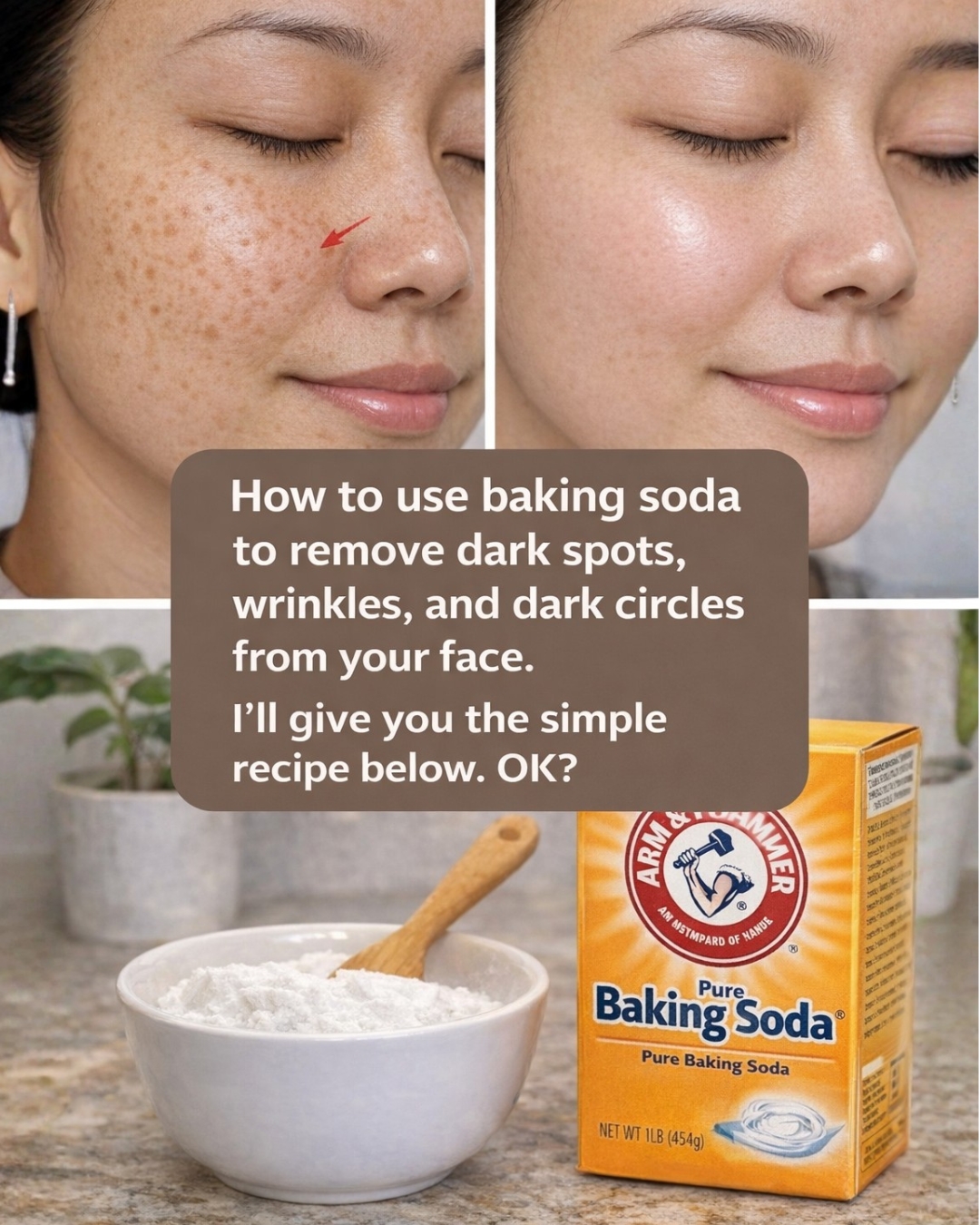
If you choose to incorporate baking soda into your skincare routine, it should be done sparingly and with precautions to minimize risks.
- Patch test first: Apply a small amount of diluted baking soda on your inner arm to check for any adverse reaction before using it on your face.
- Limit frequency: Use baking soda no more than once or twice a week to avoid cumulative irritation.
- Dilute properly: Mix about 1 to 2 teaspoons of baking soda with enough water to form a gentle paste. Apply it softly and leave on the skin for no more than 5 to 10 minutes.
- Moisturize afterward: Follow with a gentle moisturizer to restore hydration and protect the skin barrier.
- Avoid sensitive areas: Do not apply near the eyes, on broken skin, or inflamed patches.






