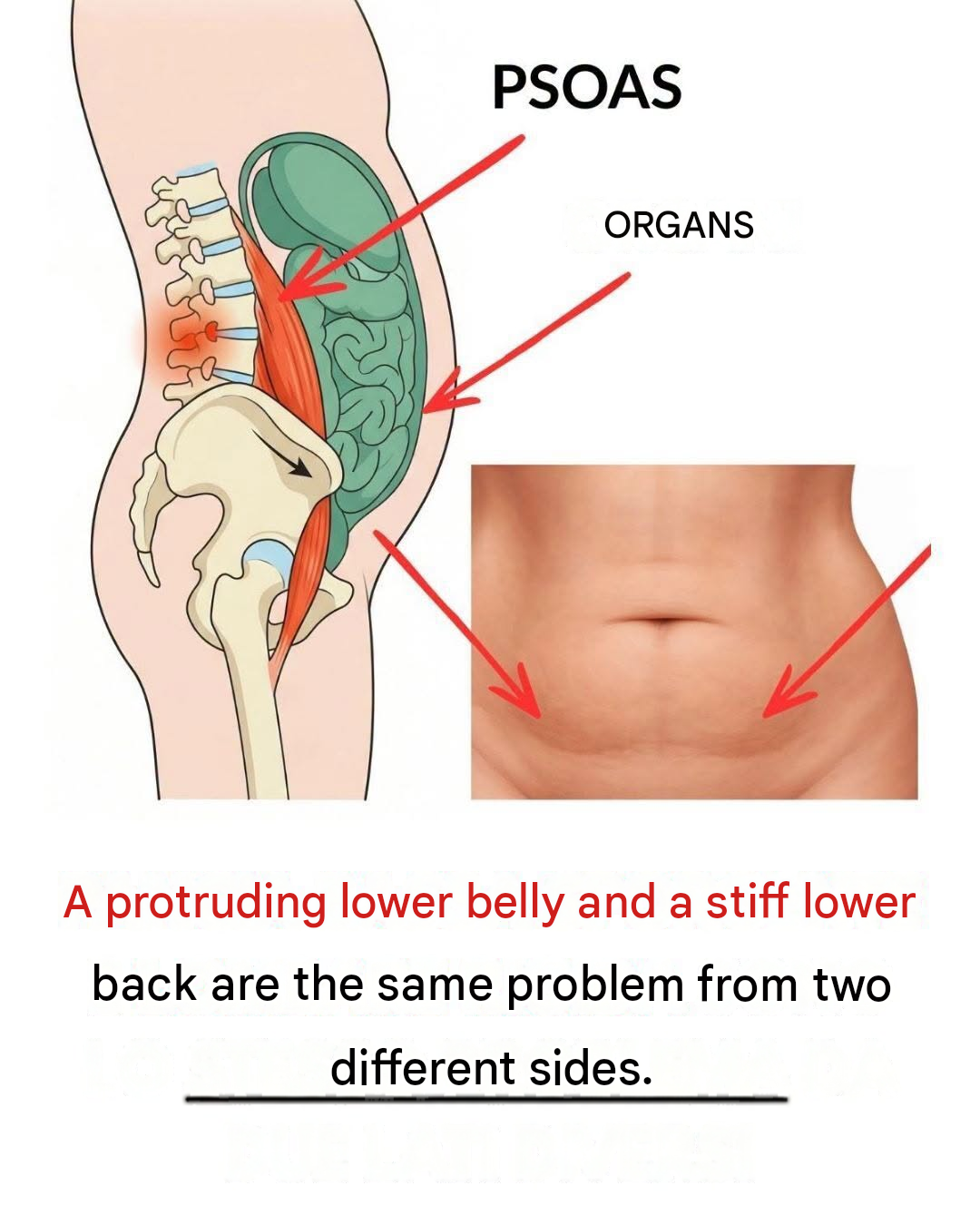
3. Connection Between Sitting and Psoas Tightness
Extended periods of sitting keep the hips flexed and bent, which encourages the psoas muscle to remain in a shortened position. Over time, this can lead to tightness and reduced flexibility in the muscle. Additionally, prolonged sitting may weaken the gluteal muscles and core, which are essential for pelvic stability and balanced posture.
When standing after long sitting sessions, a tight psoas can limit hip extension, causing the lower back muscles to compensate by increasing lumbar lordosis and stiffness. This explains why many people experience lower back stiffness and a feeling of tightness in the hips after sitting for several hours.
4. Symptoms Suggesting Psoas Involvement
Signs that the psoas muscle may be contributing to lower back and abdominal symptoms include:
- Stiffness or aching in the lower back after sitting or prolonged immobility
- Tightness or discomfort in the front of the hip, groin, or upper thigh
- Difficulty standing fully upright without back discomfort
- A noticeable forward tilt of the pelvis and an increased curve in the lumbar spine
- Discomfort or pain when walking uphill, climbing stairs, or extending the hip
- Temporary relief of symptoms after gentle hip flexor stretching
These symptoms are not exclusive to psoas dysfunction and may overlap with other musculoskeletal or medical conditions. Persistent, severe, or spreading pain should prompt consultation with a healthcare professional for accurate diagnosis.
5. Safe Movement and Stretching Tips
Addressing psoas tightness safely involves gradual and controlled movement rather than aggressive stretching. Key strategies include:
- Movement breaks: Stand and move at least every 30 to 60 minutes during prolonged sitting to reduce muscle stiffness.
- Gentle hip flexor stretches: Perform kneeling hip flexor stretches by placing one knee on the floor and the other foot forward, keeping the chest upright and gently shifting hips forward without arching the lower back. Hold for 20 to 30 seconds.
- Walking: Incorporate daily walking to promote hip mobility and overall muscle flexibility.
- Strengthening complementary muscles: Engage in exercises targeting the glutes and core to support pelvic alignment and reduce compensatory strain on the psoas.
- Avoid pain: Stretching or movements should not cause sharp or worsening pain; if they do, modify or stop and seek professional advice.






