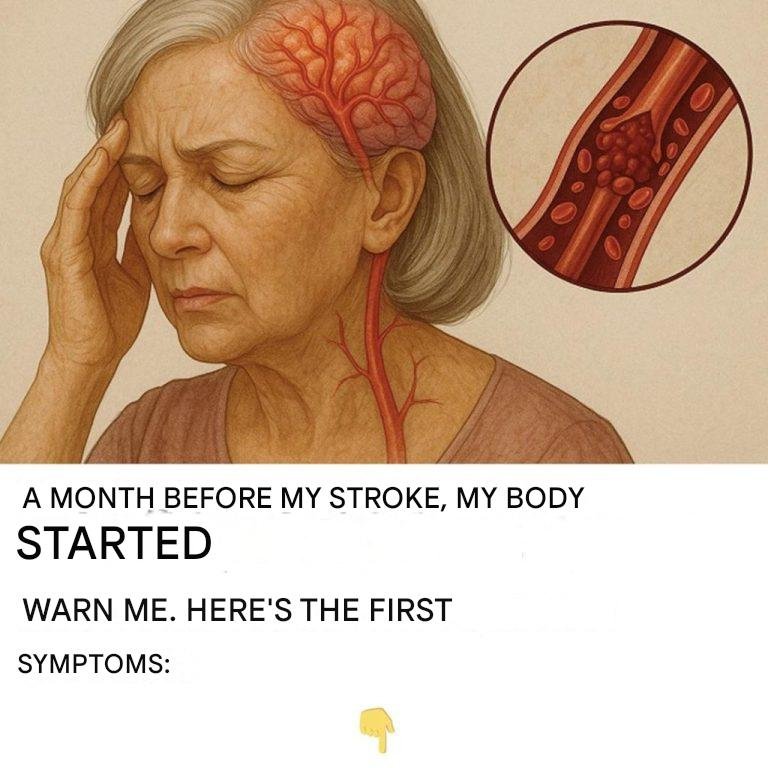
1. Vision changes
One of the earliest warning signs of an impending stroke can be sudden changes in vision. This doesn’t necessarily mean complete loss of sight but often manifests as blurred or tunnel vision, where peripheral vision diminishes while central vision remains clearer. These changes occur because the areas of the brain responsible for processing visual information are not receiving adequate blood flow.
In practice, this might look like difficulty seeing objects to the side, trouble reading, or experiencing double vision without an obvious cause. People sometimes attribute these symptoms to eye strain or fatigue, delaying crucial medical attention.
- Blurred or dimmed vision in one or both eyes
- Sudden loss of peripheral vision (tunnel vision)
- Double vision or difficulty focusing
Any sudden visual disturbance, especially when accompanied by other neurological symptoms, should prompt immediate medical evaluation. Early detection can lead to interventions that reduce the risk of a full stroke.
2. One-sided weakness
Weakness or numbness affecting one side of the body is a hallmark symptom of stroke and transient ischemic attacks (TIAs), also known as mini-strokes. This weakness might start subtly, such as difficulty lifting an arm or leg or a feeling of heaviness and clumsiness, and then progress.
This symptom occurs because a stroke impairs the brain’s ability to send signals to muscles on the opposite side of the body. For instance, damage in the left hemisphere can cause weakness in the right arm or leg.
It’s important to recognize that even mild, temporary one-sided weakness should never be ignored. Early medical assessment, including neurological examination and imaging like CT or MRI scans, can identify ischemic events before permanent damage occurs.
- Sudden numbness or weakness in the face, arm, or leg, especially on one side
- Difficulty holding objects or maintaining balance
- Drooping of one side of the face






