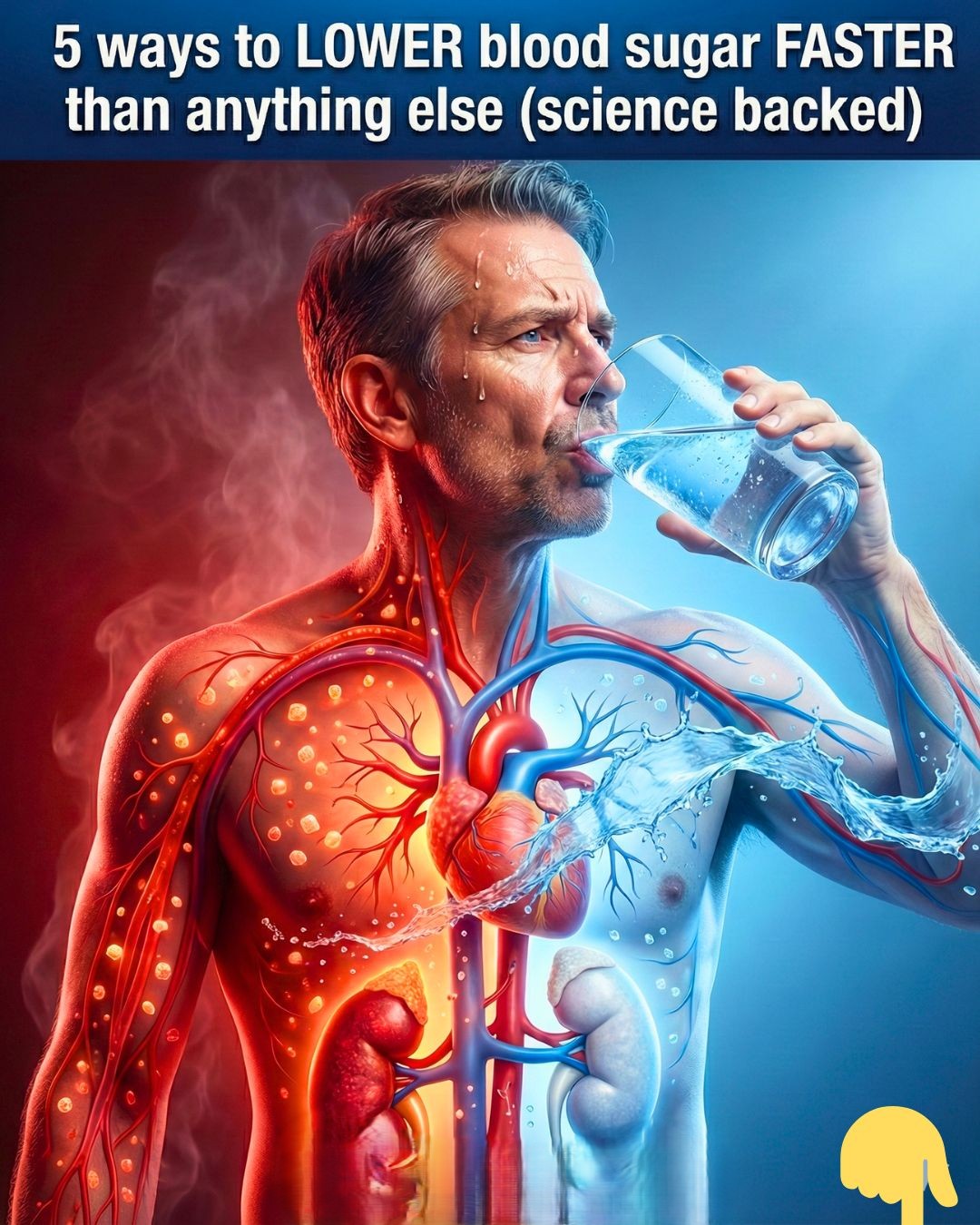
High Blood Sugar Requires Immediate Action and Understanding
If you have a high blood sugar reading, the first step is to recognize what’s driving the number. Elevated glucose can result from your liver releasing too much sugar, poor insulin response in muscle cells, dehydration, or stress hormones triggering glucose spikes.
Before trying to lower your blood sugar, ask yourself: is this a one-time spike after a meal, or a persistent pattern? If you experience symptoms like confusion, severe weakness, or breathlessness, seek emergency care immediately.
Why Distinguishing the Cause Matters
Blood sugar isn’t just about what you eat; it’s about how your body handles glucose. For example, muscle cells can take in glucose without insulin when activated by movement, which is critical if you have insulin resistance. Meanwhile, the liver can flood your bloodstream with sugar if it perceives stress or fasting signals.
Understanding whether your high blood sugar is primarily from dietary intake, dehydration, hormonal stress, or insulin resistance shapes the best immediate response and long-term management.
Check Your Medicine Cabinet
Some medications can affect blood sugar levels. Steroids, certain diuretics, and some blood pressure drugs may raise glucose. If you suspect your medication is impacting your blood sugar, discuss alternatives or adjustments with your healthcare provider rather than stopping any prescribed treatment.
Hydration Is a Critical But Often Overlooked Factor
When blood sugar rises, kidneys try to remove excess glucose by increasing urine output, which depletes body water and concentrates blood sugar further. Drinking water consistently helps maintain blood volume and kidney function, preventing this vicious cycle from worsening your glucose readings.
Don’t expect water alone to lower blood sugar instantly, but know that proper hydration is foundational to all other glucose-lowering efforts.
Movement Opens a Powerful Path for Glucose Clearance
Physical activity, even a 15-minute walk, activates muscles to absorb glucose independently of insulin. This effect can last for hours, making movement a vital tool to reduce high blood sugar quickly and improve overall insulin sensitivity.
If walking isn’t feasible, activating muscles while seated—such as by moving your heels up and down to engage the soleus muscle—still aids glucose uptake effectively.
These strategies offer immediate benefits without requiring specialized equipment or gym access.
Here are the 5 most effective strategies to lower your blood sugar quickly. Number 3 targets the root cause of insulin resistance and is the key to lasting control.






