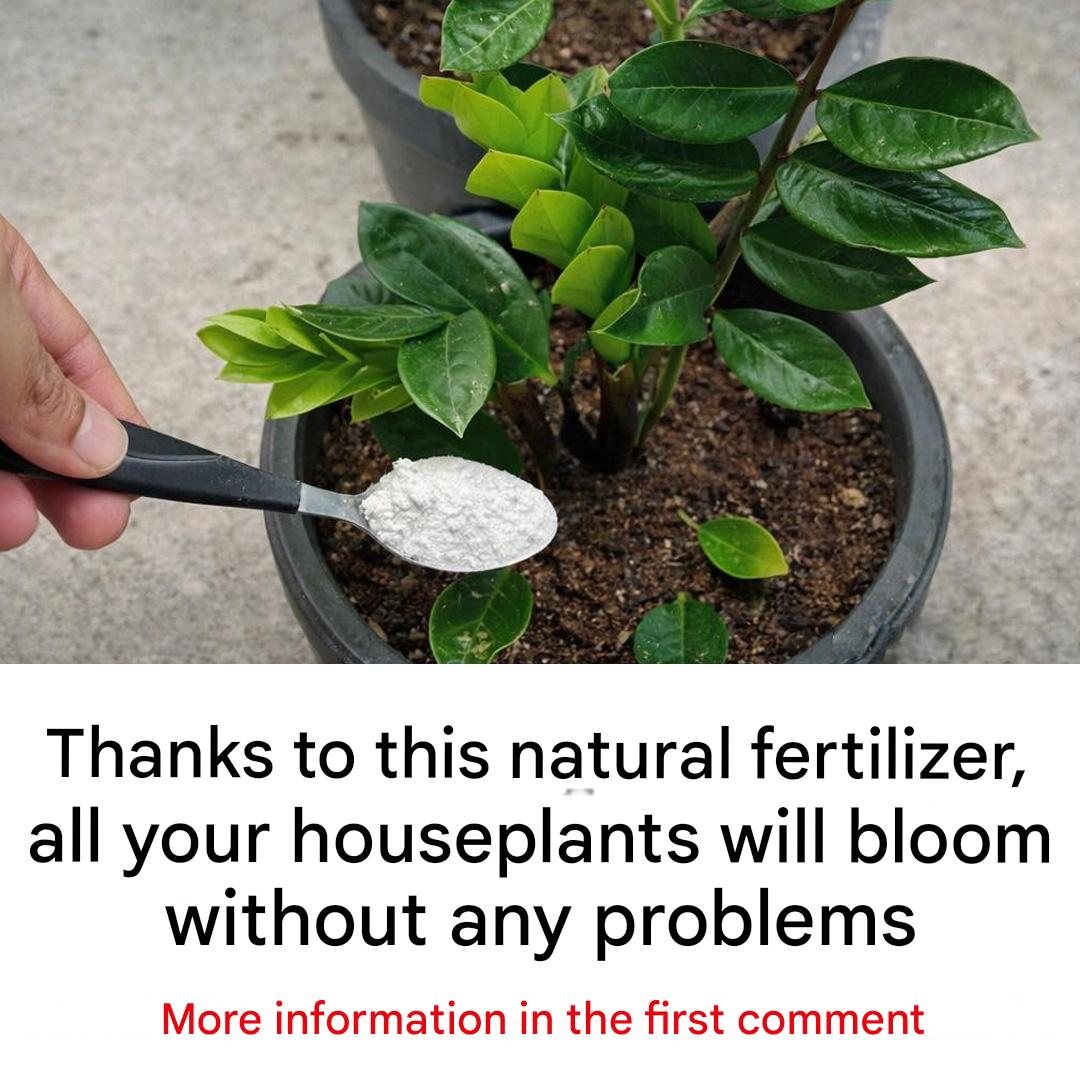
Why Soil pH Matters More Than You Think for Blooming Houseplants
When your houseplants struggle to bloom or show vibrant foliage despite regular care, the underlying issue is often soil acidity rather than a lack of fertilizer. Most houseplants thrive in soil that is slightly acidic to neutral, typically with a pH between 6.0 and 7.0. Soil that is too acidic can hinder nutrient uptake, leading to weaker growth and sparse flowering. Rebalancing this acidity is a key decision point for growers aiming to improve plant health without resorting immediately to costly commercial fertilizers or soil amendments.
Testing your soil’s pH is the first step. Home test kits are affordable, usually under $15, and provide quick results. If the soil is below 6.0, it indicates excess acidity, which baking soda (sodium bicarbonate) can help neutralize. However, this is not a one-size-fits-all solution. Some plants, like azaleas and gardenias, prefer acidic conditions and can be harmed by raising the pH.
How Baking Soda Adjusts Soil and Supports Plant Health
Baking soda’s mild alkalinity gently raises soil pH when applied correctly, improving root function and nutrient assimilation. This supports the plant’s ability to produce flowers and maintain lush leaves. Additionally, baking soda has antifungal properties that can reduce problems like powdery mildew, which manifests as a white film on leaves, a common issue in humid environments.
It’s important to recognize that baking soda is not a fertilizer. It does not supply nutrients like nitrogen, phosphorus, or potassium. Instead, it creates a more favorable environment for your plants to use the nutrients already present in the soil. Using it incorrectly—too frequently or in high concentrations—can disrupt soil chemistry and damage roots, potentially leading to costly plant replacements.
Cost Considerations: Avoiding Expensive Mistakes
Professional soil amendments or specialized fertilizers can cost $20 to $50 per bag, depending on the product and quantity. Baking soda is inexpensive, often under $1 per box, making it an economical option when used properly. However, misapplication risks killing plants that can cost $10 to $50 each to replace, especially if they are rare or slow-growing varieties.
Always perform a small patch test before applying any baking soda solution widely. Monitor your plants for several days for signs of leaf burn or stress. If the test area responds well, you can proceed cautiously with weekly applications during the growing season.
Remember, this approach is part of an integrated plant care routine including proper watering, sufficient light, and appropriate organic matter addition. Baking soda helps, but it does not replace these essentials.
Discover the simple preparation and application method next—and which common mistake to avoid to keep your plants thriving.






