Understanding Insect Exposure and Safe Natural Repellents
Insect bites from mosquitoes, ants, and flies are not only irritating but can also pose health risks such as allergic reactions or the transmission of diseases in certain regions. Many people seek ways to protect themselves and their homes from these pests without relying on chemical insecticides, which can carry risks for children, pets, and sensitive individuals.
Natural insect repellents based on essential oils have gained popularity as alternatives. However, it is important to understand their actual capabilities and limitations. These remedies do not eliminate insects entirely or prevent all bites, nor do they replace professional pest control when infestations are severe. Instead, they may help reduce insect presence and discourage biting when used correctly and consistently.
What Natural Repellents Can and Cannot Do
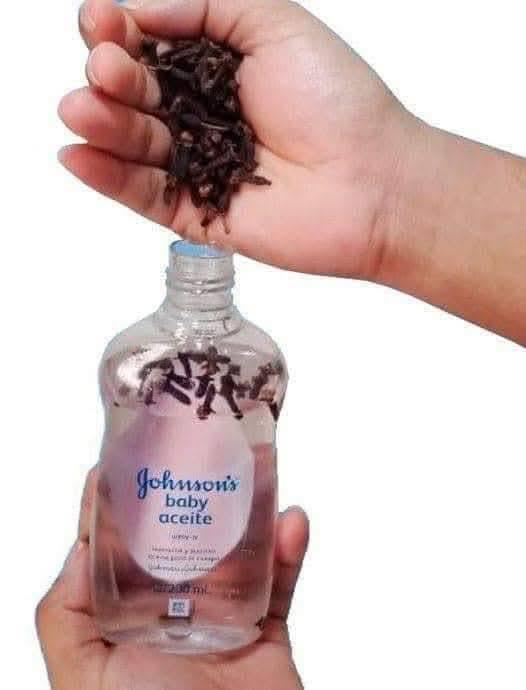
Essential oils like clove, citronella, eucalyptus, and lavender contain compounds that have been observed to repel certain insects. When formulated properly, these oils can provide a safer and often pleasant-smelling option for people wanting to avoid synthetic chemicals. Yet, the repellency effect varies by concentration, species of insect, and environmental conditions such as wind or humidity.
Unlike registered chemical repellents, natural formulations lack standardized testing and approval by health authorities. This means their protection duration and effectiveness are not guaranteed. Users should expect to reapply these repellents frequently—typically every 2 to 3 hours—and use additional protective measures like nets and appropriate clothing if needed.
Safety Considerations and Interactions
While considered natural, essential oils are potent substances that can cause skin irritation or allergic reactions, especially when applied undiluted. Performing a patch test on a small skin area before widespread use is recommended. People with sensitive skin, allergies, or pre-existing conditions should consult a healthcare professional before using essential oil-based repellents.
Moreover, some essential oils may interact with medications or exacerbate certain skin conditions. Pregnant or breastfeeding individuals should exercise caution and seek medical advice prior to use. For children and pets, only diluted formulations are advisable, and their use should be limited to avoid accidental ingestion or contact with sensitive areas such as eyes and mouth.
How to Assess Protection Needs
Deciding whether to use natural insect repellents depends on exposure risk and personal sensitivity. In areas with high mosquito-borne disease transmission, relying solely on natural repellents may not provide adequate protection. In these cases, following public health guidelines and using approved insecticides or physical barriers is essential.
For low to moderate insect presence, natural repellents can be a complementary tool to minimize nuisance bites. Recognizing the signs of insect bites and monitoring your environment for pest activity helps inform when and how to apply repellents effectively.
Here are the five key natural repellent strategies you can use, with one standing out for its proven versatility and effectiveness.