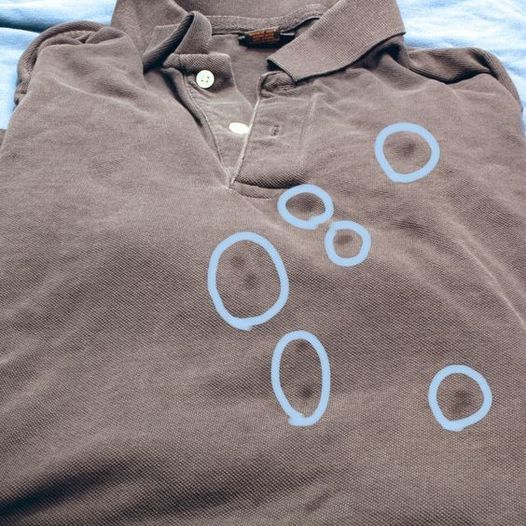
Distinguishing Between Dirt and Permanent Damage in Grease Stains
Set-in grease stains on clothing often look hopeless, but the critical question before any treatment is whether the stain is simply oily residue or if it has caused lasting damage to the fabric fibers. Grease stains that have been washed and dried multiple times without removal can embed deeply and, in some cases, weaken fabric integrity. This distinction matters because while cleaning can usually remove the stain, fabric damage is irreversible and may require garment replacement.
Understanding the nature of your fabric is essential. Common materials such as cotton, polyester, and denim typically tolerate grease stain treatments well, but delicate fabrics like silk or wool may suffer from aggressive cleaning agents. Testing any product on a hidden area first is recommended to avoid discoloration or weakening.
Assessing the Cost of Ignoring or Mishandling Grease Stains
Ignoring grease stains or using improper cleaning methods can lead to several consequences, including permanent staining, fabric deterioration, and ultimately the need to replace garments. Depending on the brand and quality, replacing a single polo shirt or denim item can cost anywhere from $20 to over $100. For households with frequent grease exposure, these costs accumulate quickly.
Professional stain removal services are available but vary widely in price. Spot treatment services can range from $10 to $30 per garment, while extensive restorations cost more. Additionally, repeated professional treatments may be necessary if initial efforts fail, further increasing expenses.
How to Identify a True Grease Stain Versus Other Marks
Not all stains that appear greasy truly are. To confirm a grease stain, gently press a white tissue against the mark. If the tissue absorbs an oily residue, it is a grease stain. Dirt or other substances will not leave this oily trace. This simple test helps determine the appropriate treatment route.
Knowing this difference prevents misapplication of cleaning techniques that may be ineffective or damaging. For instance, water-based detergents alone often fail on grease stains, which require agents that can break down oils.
The Role of Dishwashing Foam in Removing Grease Stains
Dishwashing foams formulated to cut through kitchen grease, such as those containing surfactants designed for oily residues, can be repurposed effectively for laundry grease stains. Their chemical action targets and emulsifies oils, making them easier to wash out of fabrics.
When applying such a product for stain removal, a small amount directly on the stain, followed by gentle rubbing and a brief soak period, enhances penetration and breakdown of the grease. However, availability and formulation differences mean not every dish soap or foam will perform equally.
Repeated applications may be necessary for stubborn stains, but overuse or harsh scrubbing risks damaging the fabric or fading colors.
Estimating Time and Effort for Effective Stain Removal
Effective grease stain removal using dishwashing foam involves a short pre-treatment period of around five minutes before laundering. This step allows the product to act on the oil without prolonged exposure that might harm the fabric.
Following this, a standard wash cycle using a trusted detergent designed for cold water cleaning helps remove residual grease and cleaning agents. Cold water washing is often preferable as hot water can set some stains permanently.
If the stain persists after one cycle, a second or third treatment may be required, but if multiple attempts fail, the fabric may be irreparably stained or damaged.
Safety Considerations for Different Fabric Types
While cotton, polyester, and denim generally tolerate dishwashing foam treatments well, delicate fabrics require caution. Spot testing is essential to ensure colorfastness and fiber integrity. Avoid aggressive rubbing or soaking beyond recommended times on sensitive materials.
Using inappropriate cleaning agents on delicate fabrics can lead to discoloration, texture changes, or shrinkage, resulting in costly garment damage.
Always follow care label instructions and consider professional cleaning for valuable or fragile items.
Discover the exact steps that make this method reliable for stubborn stains and which common mistake could ruin your clothes.






