Choosing the Right Weed Control Method: Cost and Risks
Eliminating weeds from your garden or between pavement cracks can quickly become costly if professional treatments or commercial herbicides are used. Professional chemical weed control services typically charge between $50 and $150 per treatment, depending on property size and weed severity. Meanwhile, many store-bought herbicides contain chemicals that can harm desirable plants and disrupt local ecosystems.
Before deciding on a weed removal approach, it is crucial to understand whether your weeds are a surface issue that can be managed with topical treatment or if they have deep roots that require more intensive intervention. Misapplication of herbicides on the wrong plants or surfaces can cause lasting damage, including killing flowers, grass, or other vegetation you want to keep.
How to Identify When a Homemade Herbicide Is Suitable
If you have unwanted weeds growing in cracks, driveways, or isolated garden spots without nearby sensitive plants, a homemade herbicide can be a cost-effective and safer alternative to commercial chemicals. However, it is essential to avoid spraying on lawns, flower beds, or areas with desirable plants because the solution is non-selective and will kill any vegetation it contacts.
Assess the weed location carefully: if the weeds are widespread or rooted deeply in garden beds, professional advice or stronger, targeted treatments may be necessary to avoid damaging your garden’s health. Improper treatment of persistent weeds can lead to regrowth and potentially higher long-term costs.
Cost Comparison and Practical Considerations
Homemade herbicide ingredients—water, salt, baking soda, and liquid dish detergent—cost only a few dollars per batch, making this method affordable for regular use. In contrast, chemical herbicides vary widely in price but often cost $10 to $40 per application for a typical garden. Hiring professional weed control services can multiply costs, especially when repeat treatments are needed.
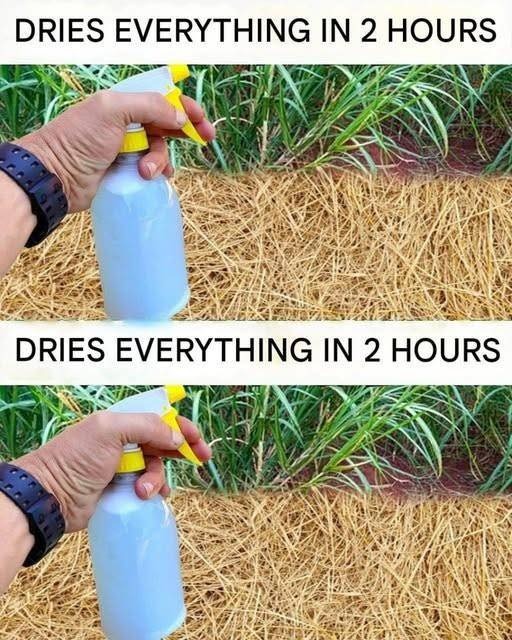
Moreover, this homemade solution dries weeds within hours under optimal conditions, such as applying during hot, sunny weather. This rapid action reduces labor and the need for repeated applications, saving time and money. However, effectiveness depends heavily on weather—rain shortly after application can dilute the solution and reduce its efficacy.
Protecting Your Plants and Surfaces
The main risk of this homemade herbicide is its non-selective nature. It will damage or kill any plant it touches, so careful application is essential. Avoid spraying near desirable plants, lawns, or flowers. Also, surfaces like painted walls or delicate stonework may be affected by salt residues, so apply cautiously in those areas.
Shaking the spray bottle before each use prevents salt and baking soda from settling and ensures an even mixture. Applying the herbicide at the hottest part of the day optimizes its drying effect and weed-killing ability.
Understanding these factors helps you decide if this homemade herbicide is the right choice for your garden weed problem and avoids costly mistakes that could damage plants or surfaces.
Discover the simple yet effective formula that makes this homemade herbicide work so quickly and the key precaution most people overlook.






