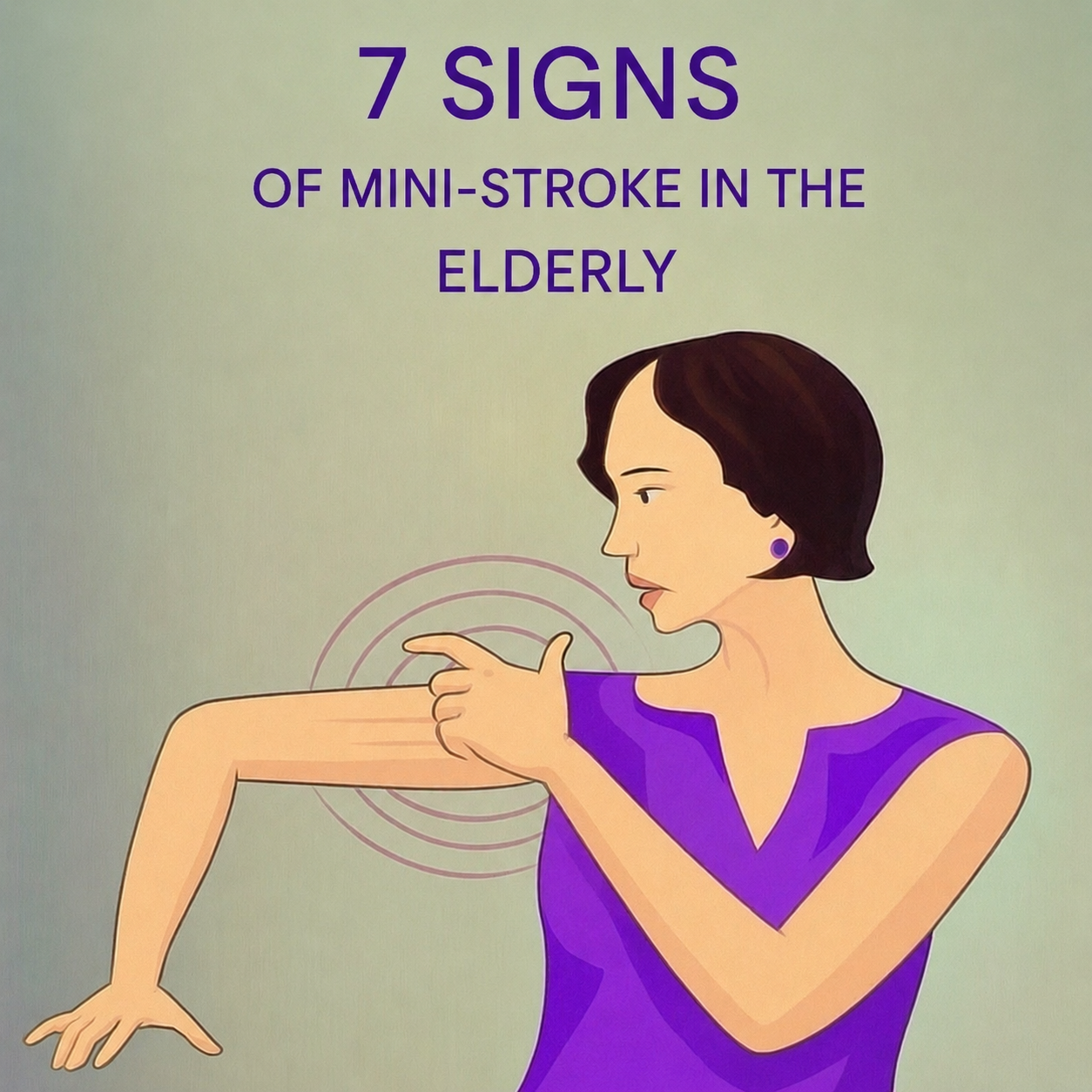
Emergency Note: If you or an elderly person near you suddenly experiences any symptom resembling a mini stroke or transient ischemic attack (TIA), call emergency services immediately. Even if symptoms disappear quickly, prompt medical evaluation is essential to prevent a full stroke.
Understanding Transient Ischemic Attack (TIA) in Older Adults
A mini stroke, medically known as a transient ischemic attack (TIA), occurs when blood flow to a part of the brain is temporarily blocked. Unlike a full stroke, the symptoms often resolve within minutes or hours, but this does not mean the risk has passed. In fact, a TIA is a strong warning sign that a more severe stroke could follow.
For elderly individuals, recognizing a TIA can be challenging because its symptoms may be mistaken for common issues like fatigue, dizziness, medication side effects, or normal aging. However, the key difference is the sudden onset of symptoms. Any abrupt neurological change should be treated as a medical emergency.
Why Immediate Action Matters
Ignoring or delaying treatment after a TIA can lead to permanent brain damage or disability caused by a full stroke. Emergency medical evaluation can identify underlying risk factors such as blood clots, narrowed arteries, high blood pressure, diabetes, or irregular heart rhythms that need urgent treatment.
Emergency protocols like FAST (Face, Arms, Speech, Time) and its extension B.E. FAST (adding Balance and Eyes) help quickly assess stroke symptoms:
- Face: Is one side drooping?
- Arms: Can both arms be raised equally?
- Speech: Is speech slurred or hard to understand?
- Time: Call emergency services immediately if any of these are present.
- Balance: Sudden loss of balance or coordination.
- Eyes: Sudden vision changes.
Check Your Medicine Cabinet
In older adults, certain medications can influence stroke risk or mimic symptoms of a TIA. Blood thinners, blood pressure drugs, and medications that affect balance or cognition may complicate symptom recognition. It is important to review all medications with a healthcare provider, especially if new neurological symptoms develop.
Who Is at Risk?
Age is a significant risk factor for TIA and stroke, but other contributors include high blood pressure, diabetes, high cholesterol, smoking, heart disease, atrial fibrillation, obesity, physical inactivity, and previous stroke or TIA history. Many elderly patients have multiple risk factors, increasing urgency for immediate evaluation of symptoms.
Driving or waiting at home after symptoms appear may delay critical care. Do not let anyone “sleep it off.” Emergency services are equipped to provide rapid assessment and transport to specialized stroke care, which can be lifesaving and reduce long-term disability.
Here are the 7 critical signs of a mini stroke in the elderly. Number 3 is the one most often mistaken for normal aging but requires urgent attention.






