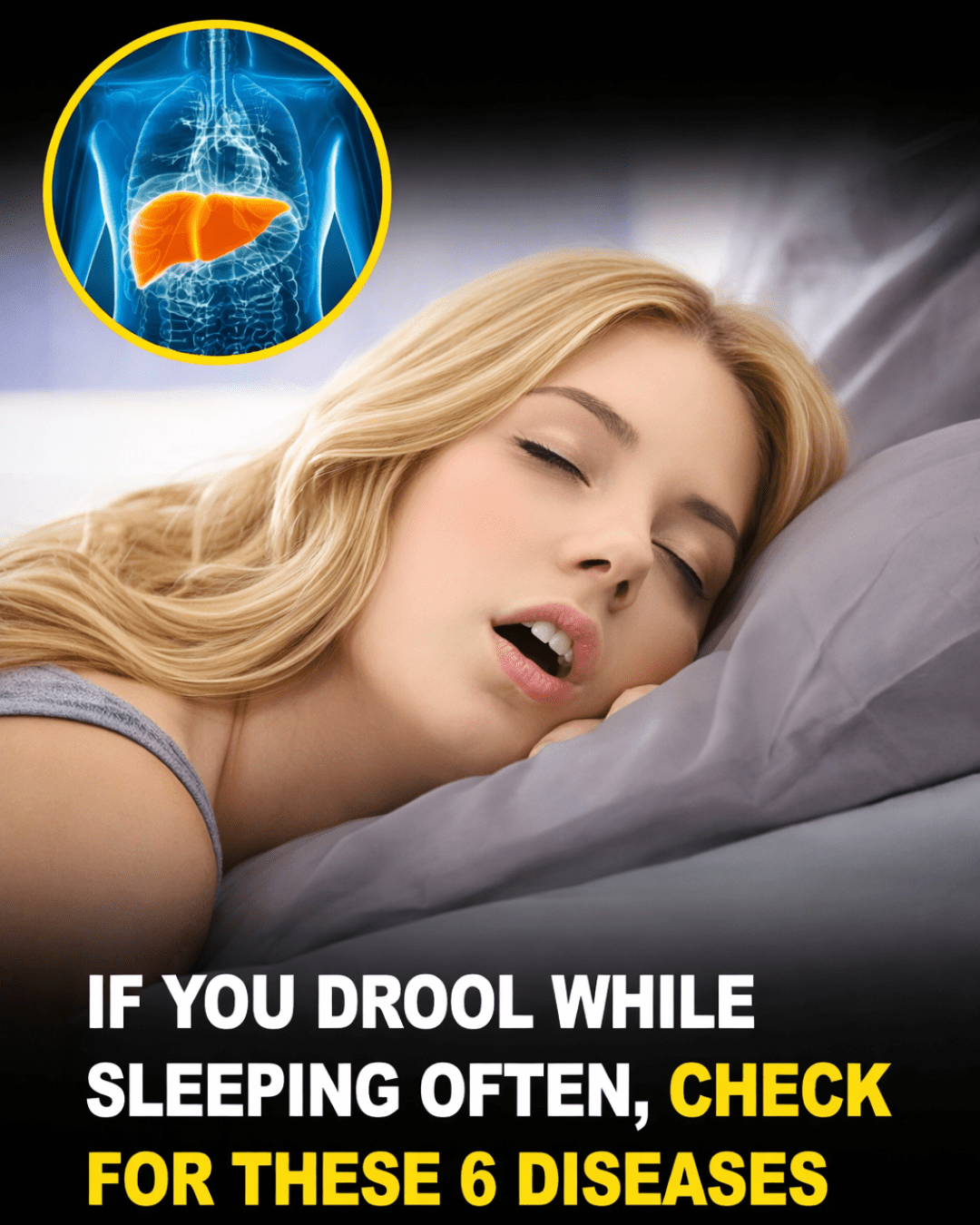
⚠️ If you experience frequent drooling during sleep accompanied by loud snoring, breathing pauses, or daytime fatigue, seek medical evaluation promptly. These symptoms may indicate obstructive sleep apnea, a serious condition requiring diagnosis and treatment.
Distinguishing When Drooling While Sleeping Signals a Health Concern
Many people occasionally wake up with a damp pillow from drooling during sleep, often due to harmless causes like sleeping position. However, persistent or frequent drooling can suggest underlying medical issues that impact saliva control or breathing during rest.
The key question to ask yourself is whether your drooling occurs alongside other symptoms such as snoring, fatigue, heartburn, or neurological changes. These associations help separate routine occurrences from those warranting professional assessment.
How Sleep-Related Breathing and Muscle Control Affect Drooling
Normally, saliva production continues while you sleep, but swallowing frequency decreases significantly. This shift means saliva can accumulate and escape if mouth muscles weaken or if you breathe through your mouth. Mouth breathing is often a central factor, frequently tied to airway obstruction or nasal congestion.
Understanding whether your drooling is linked to breathing difficulties or muscle control problems is crucial. For example, conditions that cause airway blockages can force mouth breathing, allowing saliva to spill out. This can lead to disrupted sleep and increased daytime tiredness.
Check Your Medicine Cabinet and Health History
Certain medications, including some antipsychotics and drugs used for neurological conditions, can increase saliva production or relax muscles, contributing to drooling during sleep. If you’ve recently started new medications or have a history of neurological issues or stroke, these factors may influence your symptoms.
Other contributors include acid reflux, which can cause your body to produce extra saliva to neutralize stomach acid that irritates the throat, especially when lying down. Allergies or nasal congestion that block your nasal passages also promote mouth breathing and drooling.
Simple Steps You Can Take Now
- Try elevating your head while sleeping and avoid lying flat on your stomach or side to reduce saliva pooling and acid reflux.
- Use nasal strips or a humidifier to ease nasal congestion and encourage nose breathing.
- Avoid heavy meals close to bedtime to help minimize reflux symptoms.
- Keep a symptom diary tracking drooling frequency and any related signs like snoring or heartburn to discuss with your healthcare provider.
These practical measures can often improve symptoms, but persistent or worsening drooling with other concerning signs should lead to professional evaluation.
Here are the 6 potential health issues linked to frequent drooling during sleep. Number 1 is the one most people overlook — yet it carries significant health implications.






