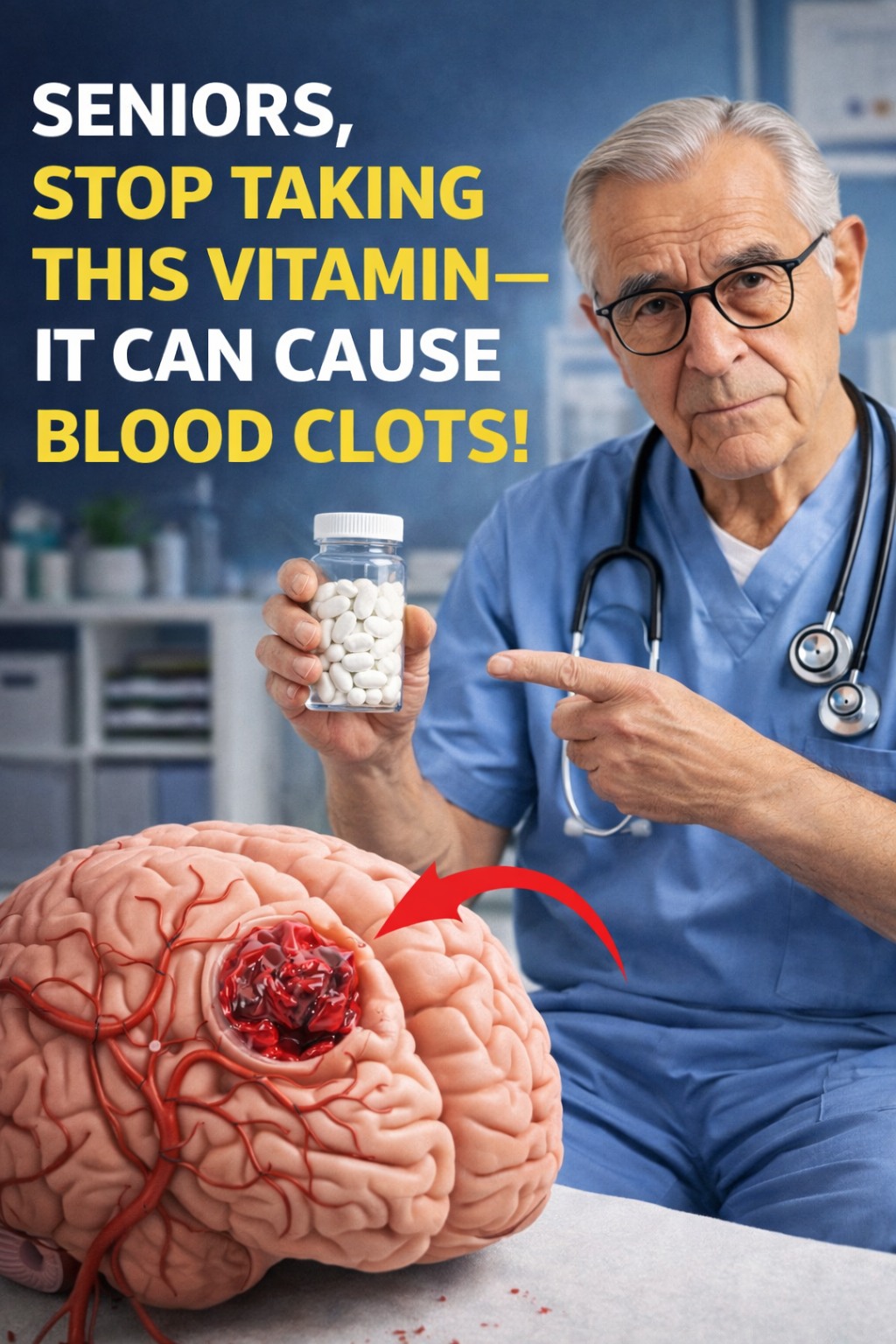
Urgent note: If you experience sudden weakness, numbness, confusion, difficulty speaking, or severe headache, seek emergency care immediately as these may be signs of a stroke.
Why Vitamin K Intake Matters for Stroke Risk in Seniors
<pMany seniors take vitamins daily hoping to support heart and bone health, but the role of vitamin K in blood clotting raises important considerations, especially for those at risk of stroke. Vitamin K influences proteins that help control how blood clots and how calcium is deposited in arteries and bones. In older adults, even small changes in vitamin K levels can affect this delicate balance.
For seniors managing conditions like atrial fibrillation or those on blood thinners such as warfarin, consistent vitamin K intake is critical. Sudden increases or decreases in vitamin K—whether from diet or supplements—can disrupt medication effectiveness and potentially impact stroke risk.
Check Your Medicine Cabinet: Could Vitamin K Be Affecting Your Medications?
Many older adults use multivitamins or supplements marketed for heart or bone health that include vitamin K2 (often labeled as MK-7). Unlike vitamin K1, which is found in leafy greens, vitamin K2 comes from fermented foods and some animal products and has a longer-lasting effect in the body.
It’s essential to identify all sources of vitamin K you consume—both from diet and supplements—because interactions with blood thinners require stable levels to maintain clotting balance. Unmonitored changes can lead to unexpected bruising, bleeding changes, or adjustments in medication dosing by your healthcare provider.
Making Safe Decisions About Vitamin K Intake
Understanding your vitamin K intake is the first step in reducing stroke risk related to clotting issues. Rather than eliminating vitamin K, the goal for most seniors is to keep intake steady. This means avoiding feast-or-famine eating patterns with vitamin K-rich foods and being cautious with high-dose supplements.
Working closely with your healthcare provider is crucial—they can review your medications, lab results, and dietary habits to tailor recommendations. This personalized approach helps maintain the balance needed to protect brain and cardiovascular health as you age.
Here are the 10 most important factors seniors should understand about vitamin K and stroke risk. Number 7 is the one that can make the biggest difference in safely managing your health.






