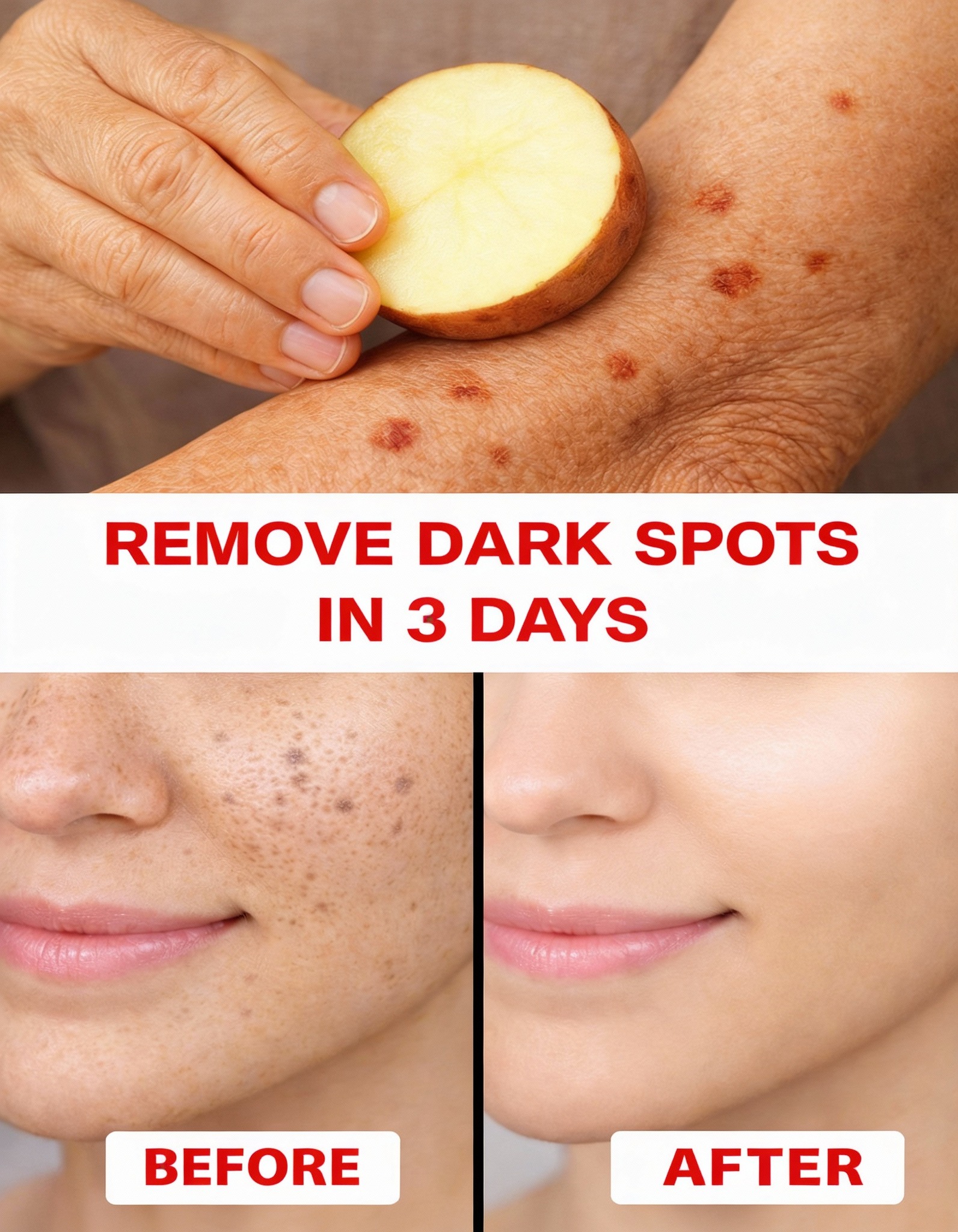
Understanding Age Spots, Melasma, and Sun Spots
Age spots, melasma, and sun spots are common types of skin pigmentation changes that often appear gradually and unnoticed until they become more prominent. These darkened patches arise primarily due to increased melanin production, often triggered by prolonged exposure to ultraviolet (UV) radiation from the sun. Age spots, sometimes called solar lentigines or liver spots, typically develop on areas frequently exposed to the sun such as the hands, face, and chest. They are flat, brown or black, and more visible on lighter skin tones.
Melasma differs in its presentation, usually showing as larger, symmetrical patches on the cheeks, forehead, and upper lip. This condition is linked not only to sun exposure but also to hormonal influences like pregnancy, menopause, or certain medications. Sun spots, closely related to age spots, result from UV damage and contribute to an uneven skin tone and an aged appearance.
While these pigmentation issues are generally harmless, they can affect self-confidence and lead many to seek treatments. A key medical test to evaluate these spots is a thorough skin examination by a dermatologist, who may use tools like dermoscopy to differentiate benign spots from other skin conditions.
It is important to understand that the natural remedies discussed here do not cure or reverse these skin conditions. Instead, they may help support the skin’s appearance by gently promoting a more even tone over time. These approaches require consistent use and patience, with results typically emerging gradually over several weeks or months.
Additionally, while natural ingredients are often perceived as safe, they can interact with medications or cause skin irritation, especially in sensitive individuals. For example, some citrus-based treatments increase photosensitivity, making sun protection essential. Anyone considering these remedies should perform a patch test and consult a healthcare professional before beginning, especially if they have underlying skin conditions or are pregnant.
Daily use of broad-spectrum sunscreen with at least SPF 30 remains the most effective way to prevent new pigmentation and protect treated skin from worsening UV damage. Without sun protection, even the best topical approaches may have limited impact.
Natural ingredients may help maintain skin health and support a more even tone, but they are best viewed as complementary to professional advice and medical-grade treatments when needed.
Here are the five natural ingredients often explored for their potential benefits in supporting skin affected by age spots, melasma, and sun spots. One of these may already be in your kitchen and could surprise you with its gentle effectiveness.






