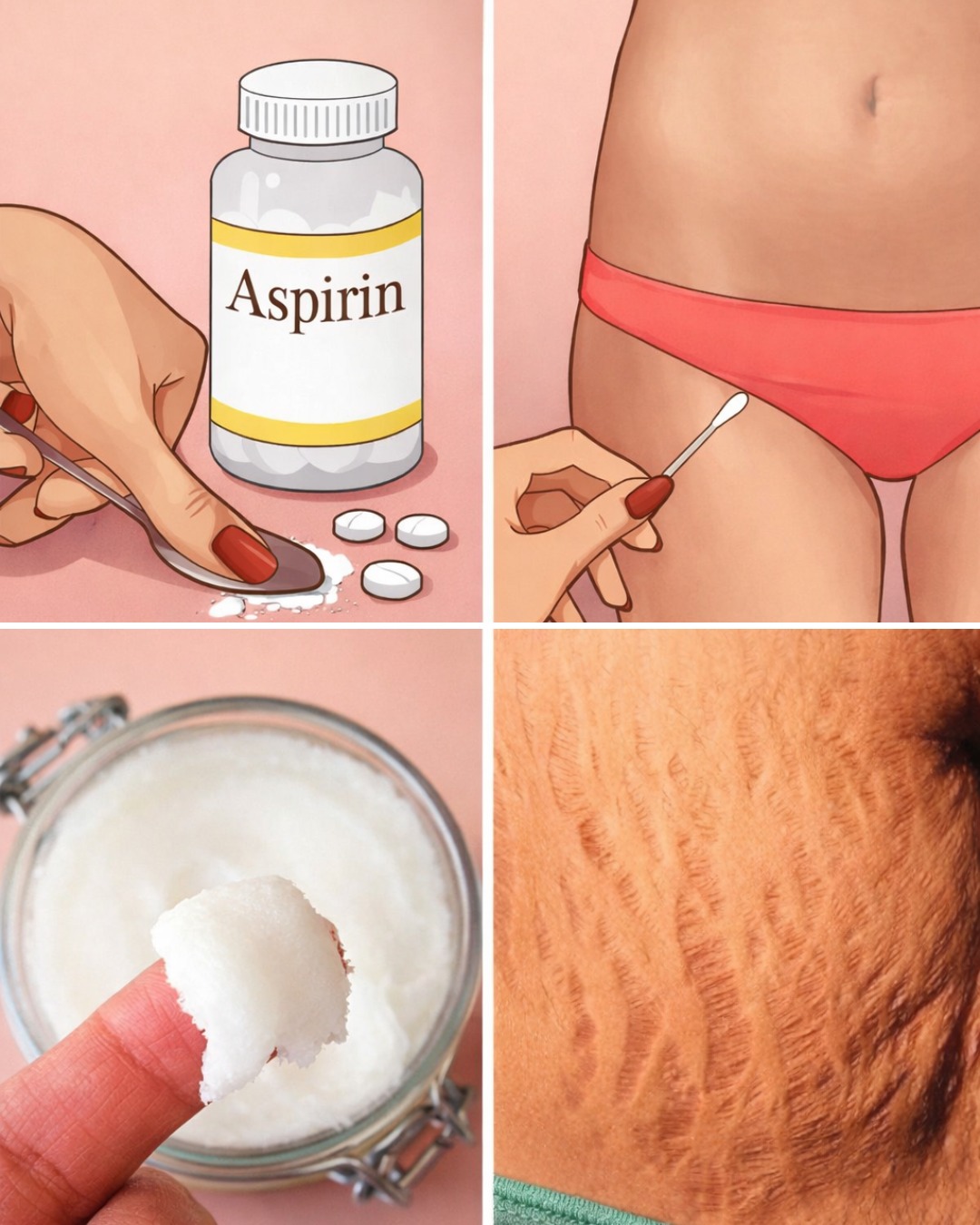
Understanding When Aspirin Tricks Work and When They Don’t
Many people turn to home remedies involving aspirin for quick fixes on common problems like itchy insect bites, stubborn skin spots, thick calluses, tough stains, or even keeping cut flowers fresh. However, the critical question before trying any aspirin-based hack is whether the issue is a simple surface irritation or a deeper condition that requires a proven product or professional treatment. Misusing aspirin topically can lead to skin irritation, dryness, or worse, and ineffective cleaning methods may cause damage or costly repairs down the line.
Distinguishing Between Surface Symptoms and Underlying Causes
For example, an itchy insect bite might look like just a minor annoyance but could escalate if irritated or infected. A simple test is to observe whether the area is just red and itchy or if swelling and blistering develop. For skin blemishes, knowing whether the problem is surface oil and dead skin buildup or an inflammatory acne condition changes the treatment approach. Similarly, calluses might be thickened skin that responds to exfoliation or a sign of pressure from improper footwear requiring professional care.
When dealing with stains on fabrics or surfaces, it’s important to identify if the discoloration is dirt-based residue or permanent damage from chemical exposure or sun bleaching. Using aspirin soaks or pastes without understanding the fabric type and stain nature risks fabric weakening or color loss. In the case of cut flowers, the goal is often to prevent bacterial growth in vase water, but aspirin’s variable effectiveness means commercial flower preservatives or simple sugar and bleach mixtures can be more reliable and cost-effective.
Cost Implications of DIY Aspirin Uses Versus Professional Alternatives
Choosing to use aspirin tricks might save a few dollars upfront but can result in longer-term expenses. For example, ineffective treatment of itchy bites or skin spots can lead to infections requiring doctor visits costing $100 or more. Over-the-counter hydrocortisone creams typically cost under $15 and provide targeted relief without the risks of aspirin absorption through the skin, which is especially important for children and sensitive individuals.
For calluses, over-the-counter salicylic acid pads designed for controlled keratolytic action cost around $10 to $20 and avoid the irritation risks of homemade aspirin pastes. Professional pedicure services, which range from $30 to $60, might be necessary for persistent issues. In laundry, enzyme-based pretreaters priced at $8 to $15 are formulated to break down organic stains safely, outperforming aspirin soaks that may damage delicate fabrics. Commercial flower food packets typically cost less than $5 per bouquet and effectively prolong bloom life compared to aspirin, which lacks consistent results.
Understanding these distinctions helps in deciding when aspirin hacks are suitable and when investing in specialized products or professional help is more prudent. This approach minimizes potential damage, irritation, and unexpected costs.
Here are the 10 aspirin tricks you should know—one of them stands out as both surprisingly effective and safe, while others come with important caveats.






