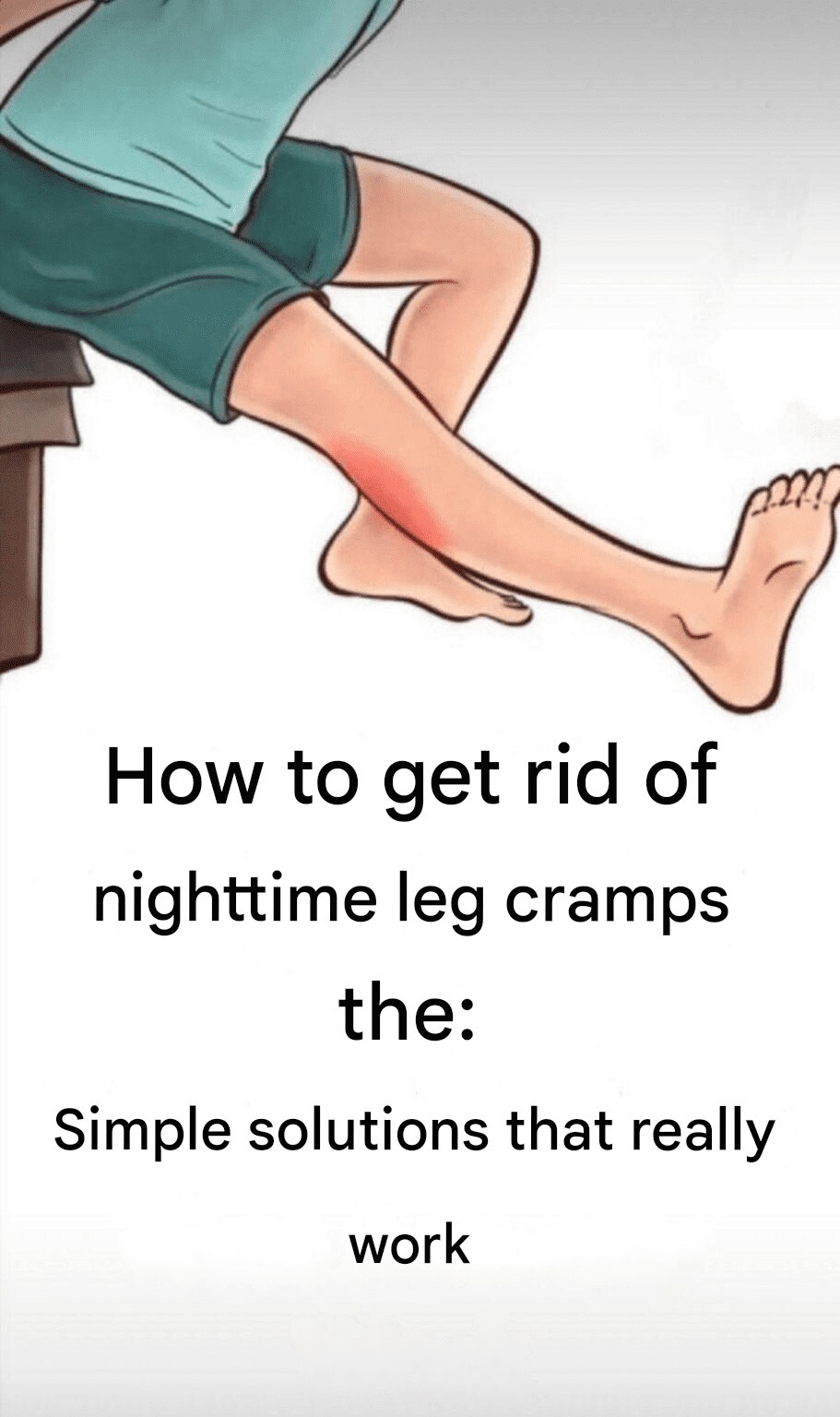
When to Seek Medical Advice for Nighttime Leg Cramps
Nighttime leg cramps, also known as “charley horses,” can cause sudden, intense pain in the calf or foot muscles that disrupt sleep. While these cramps are often harmless, frequent or severe episodes may indicate underlying health issues that require medical evaluation.
If you experience cramps that occur very frequently, cause severe pain, or are accompanied by swelling or redness, it is important to consult a healthcare professional promptly to rule out conditions such as peripheral artery disease or deep vein thrombosis.
Understanding Your Nighttime Leg Cramps: A Simple Test to Guide Treatment
Before trying remedies, determine if your cramps are isolated or part of a larger circulation or nerve problem. A quick self-check is to note whether cramps occur consistently in one leg or both, and if they worsen with certain movements or positions.
This distinction helps prioritize solutions and informs your doctor if a consultation is needed.
Check Your Medicine Cabinet
Some medications can contribute to muscle cramps. Diuretics, statins, and certain asthma drugs are known to increase cramping risk. Review your current medications with your healthcare provider to see if adjustments or supplements may be necessary.
Immediate Actions to Relieve a Cramp
When a cramp strikes at night, act quickly to reduce pain and muscle tightness. Stretching the cramped muscle by straightening your leg and pulling your toes toward you is often the fastest relief. Follow this by gently massaging the muscle to promote relaxation, and if possible, stand and walk slowly to reset the muscle contraction. Applying heat using a warm towel or heating pad can also soothe tight muscles and ease discomfort.
Preventive Habits Matter
Chronic dehydration is a leading cause of muscle cramps. Ensuring adequate fluid intake throughout the day supports normal muscle function. Additionally, maintaining a diet rich in key minerals such as magnesium, potassium, and calcium is crucial. These nutrients play a vital role in nerve and muscle health and can reduce cramping frequency.
How you sleep also impacts cramp risk. Avoid positions that cause your toes to point downward, which can tighten calf muscles overnight. Using a supportive pillow under your legs may help maintain a neutral position and reduce episodes.
Regular light activity like walking enhances blood flow to the legs and supports muscle health, lowering the chance of cramps.
Here are the 5 most effective strategies. Number 3 is the one most people overlook — but it often makes the biggest difference.






