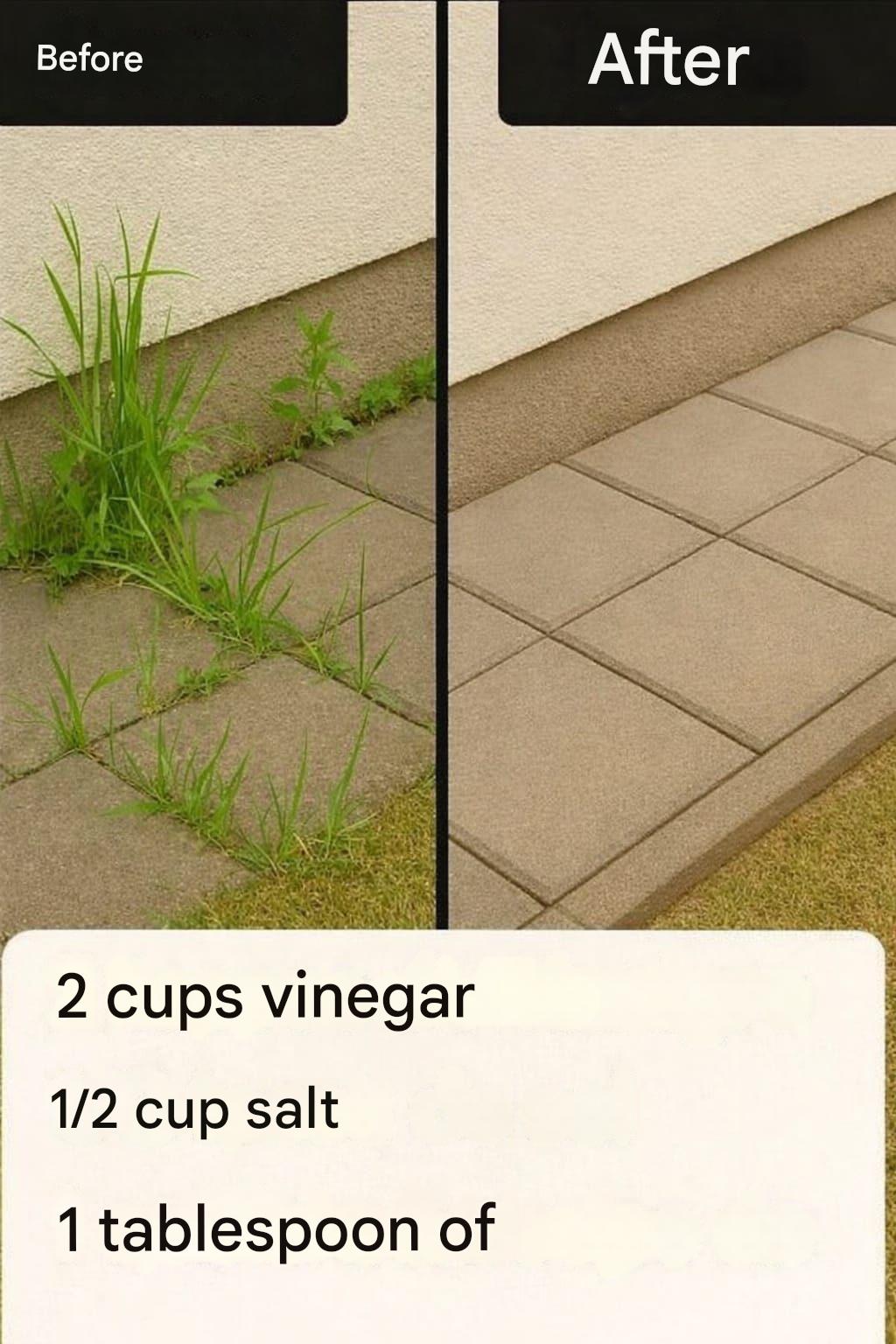
Understanding When and Where to Use Homemade Herbicide
Deciding to use a homemade herbicide involves more than just mixing common household products. The critical factor is distinguishing the type of surface and plants involved, as improper use can lead to costly damage to desirable vegetation or surfaces.
This herbicide method is best suited for hard surfaces like sidewalks and patios, or contained garden beds where you need to eliminate unwanted weeds. Using it on lawns or mixed planting areas risks killing plants you want to keep, potentially resulting in expensive lawn repair or replanting costs. Professional lawn care services to fix herbicide damage can easily cost several hundred dollars, so caution is essential.
How to Identify If This Herbicide Is Right for Your Situation
Ask yourself these questions before applying:
- Are the weeds growing on a hard, non-porous surface such as concrete, stone, or brick? This is ideal.
- Are the weeds in a garden bed where you can carefully target only unwanted plants without contact with desirable species?
- Is the area free of nearby lawn grass or sensitive plants that may suffer from runoff or drift?
If the answer to these is yes, this homemade herbicide can be an effective, low-cost solution. Using it outside these parameters risks killing plants unintentionally and may require professional intervention.
Cost Comparison and Risks
Commercial herbicides vary widely in price, typically ranging from $15 to $50 per bottle, depending on size and formulation. Hiring a professional weed control service can cost $100 to $300 per treatment depending on property size. Homemade herbicide ingredients — white vinegar, salt, and dish soap — cost only a few dollars for enough solution to cover a significant area.
However, the homemade approach has risks. White vinegar at 5% concentration is a mild acid that kills plant leaves on contact but does not prevent regrowth from roots. Salt disrupts soil structure and can cause longer-term damage but may also affect nearby plants if it leaches into soil outside the target area. Dish soap acts as a surfactant, helping the solution stick to leaves but does not contribute to killing weeds directly.
Applying this mixture on the wrong plants or surfaces can lead to permanent damage. For example, salt applied to garden beds indiscriminately can harm soil health and beneficial plants, leading to costly soil remediation or replanting. It is important to avoid using this mixture on lawns or areas with desirable plants to prevent unintended damage.
Key Application Conditions
The herbicide works best when applied on dry plants during sunny, calm weather conditions. Morning or midday application is ideal to maximize absorption and drying time. Rainfall within 24 hours of application can wash away the solution, requiring a repeat treatment. Always shake the mixture well before use to ensure ingredients are evenly distributed.
Because this method kills weeds by leaf burn rather than root eradication, expect visible results within a few hours, with full effect between 24 to 48 hours. Persistent or deep-rooted weeds may require multiple applications or alternative control methods.
Proper storage of any leftover mixture is important to maintain effectiveness. Store in an airtight container, away from heat and sunlight, and shake before each use.
The homemade herbicide approach can save money compared to commercial products and professional services, but only if applied correctly to appropriate surfaces and plants. Misapplication risks costly damage that may outweigh initial savings.
Here are the detailed steps to make and use this homemade herbicide, including the critical precautions and timing that determine success.






